
IBCar:用于乳腺癌治疗的强效口服生物可利用的甲基-[5-(3'-碘苯甲酰基)-1-苯并咪唑-2-基]氨基甲酸酯
IBCar: Potent Orally Bioavailable Methyl -[5-(3'-Iodobenzoyl)-1-Benzimidazol-2-yl]Carbamate for Breast Cancer Therapy.
作者信息
Baranowska-Kortylewicz Janina, Yan Ying
机构信息
Department of Pharmaceutical Sciences, College of Pharmacy, University of Nebraska Medical Center, Omaha, NE 68198-6120, USA.
Department of Radiation Oncology, College of Medicine, University of Nebraska Medical Center, Omaha, NE 68198-6861, USA.
出版信息
Cancers (Basel). 2025 Jul 30;17(15):2526. doi: 10.3390/cancers17152526.
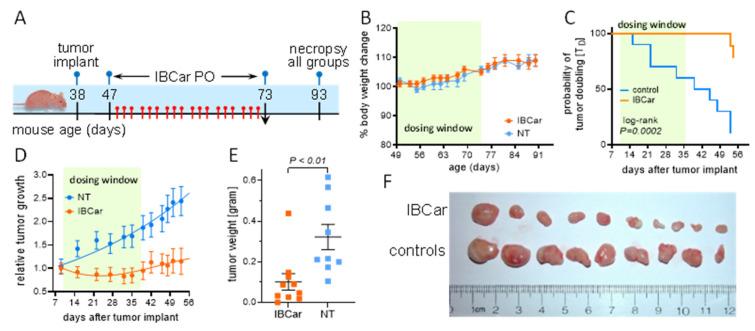
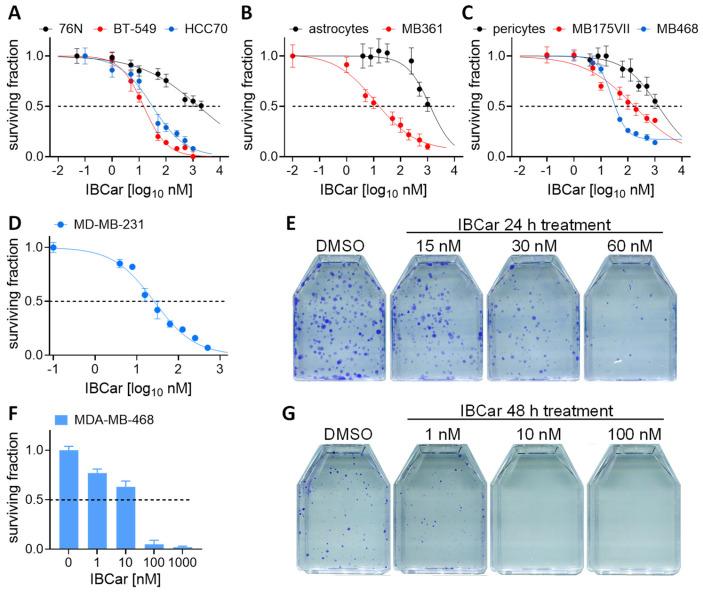
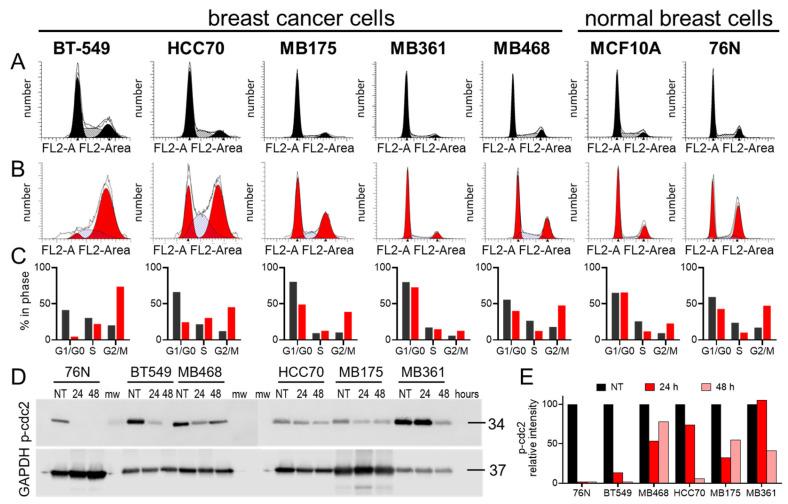
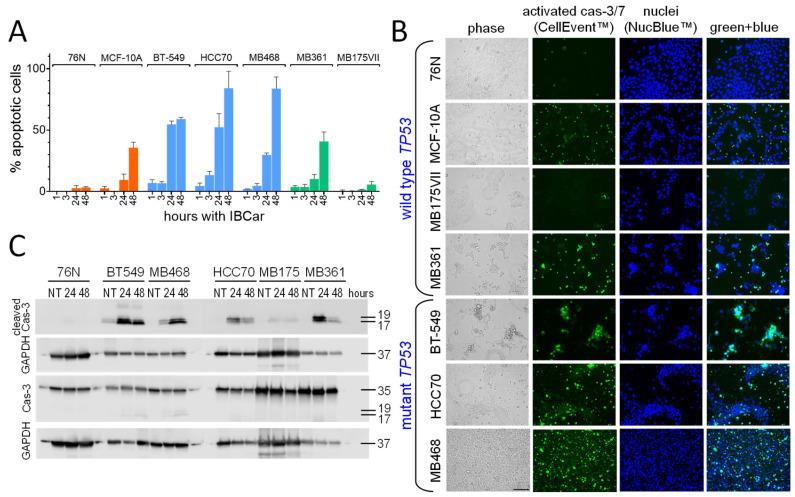
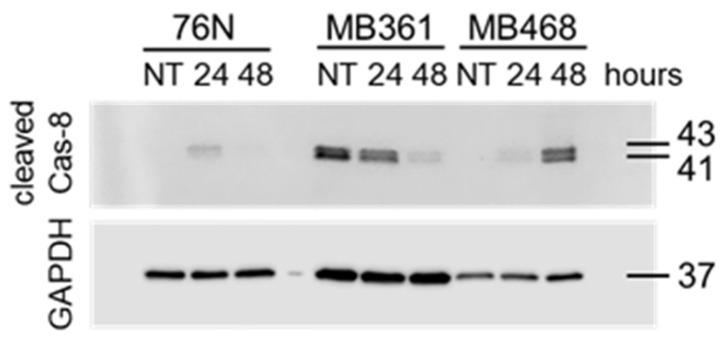
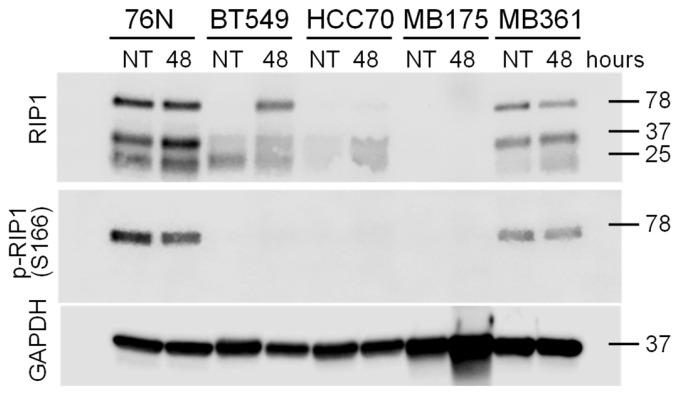
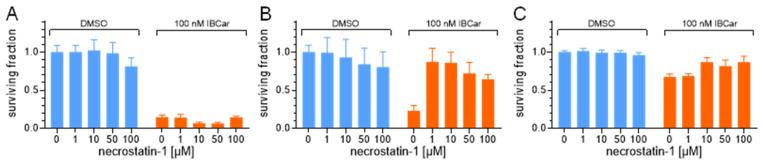
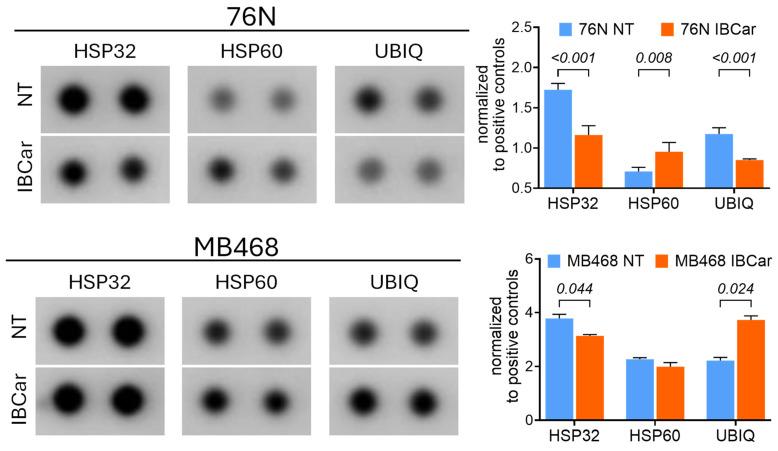
: To investigate the efficacy and underlying mechanisms of IBCar's biological activity in breast cancer models, both in cell culture and in mice, and to compare its effects on cancer versus normal cells. : The cytotoxicity of IBCar was evaluated using the MTS assay to assess metabolic activity and the clonogenic assay to determine reproductive integrity. The impact of IBCar on microtubule integrity, mitochondrial function, and multiple signaling pathways was analyzed using Western blotting, microarray analysis, and live cell imaging. The therapeutic effectiveness of orally administered IBCar was assessed in a transgenic mouse model of Luminal B breast cancer and in mice implanted with subcutaneous triple-negative breast cancer xenografts. : IBCar demonstrated potent cytotoxicity across a diverse panel of breast cancer cell lines, including those with mutant or wild-type , and cell lines with short and long doubling times. Comparative analysis revealed distinct responses between normal and cancer cells, including differences in IBCar's effects on the mitochondrial membrane potential, endoplasmic reticulum stress and activation of cell death pathways. In breast cancer cells, IBCar was cytotoxic at nanomolar concentrations, caused irreversible microtubule depolymerization leading to sustained mitochondrial dysfunction, endoplasmic reticulum stress, and induced apoptosis. In normal cells, protective mechanisms included reversible microtubule depolymerization and activation of pro-survival signaling via the caspase-8 and riptosome pathways. The therapeutic potential of IBCar was confirmed in mouse models of Luminal B and triple negative BC, where it exhibited strong antitumor activity without detectable toxicity. : These findings collectively support IBCar as a promising, effective, and safe therapeutic candidate for breast cancer treatment.
为了研究IBCar在乳腺癌模型(包括细胞培养和小鼠模型)中的生物活性功效及其潜在机制,并比较其对癌细胞和正常细胞的影响。:使用MTS法评估IBCar的细胞毒性以评估代谢活性,使用克隆形成试验确定生殖完整性。使用蛋白质印迹法、微阵列分析和活细胞成像分析IBCar对微管完整性、线粒体功能和多种信号通路的影响。在Luminal B型乳腺癌转基因小鼠模型和皮下植入三阴性乳腺癌异种移植物的小鼠中评估口服IBCar的治疗效果。:IBCar在多种乳腺癌细胞系中均表现出强大的细胞毒性,包括那些具有突变型或野生型的细胞系,以及倍增时间短和长的细胞系。比较分析揭示了正常细胞和癌细胞之间的不同反应,包括IBCar对线粒体膜电位、内质网应激和细胞死亡途径激活的影响差异。在乳腺癌细胞中,IBCar在纳摩尔浓度下具有细胞毒性,导致不可逆的微管解聚,进而导致持续的线粒体功能障碍、内质网应激并诱导细胞凋亡。在正常细胞中,保护机制包括微管的可逆解聚以及通过半胱天冬酶-8和核糖体途径激活促生存信号。IBCar的治疗潜力在Luminal B型和三阴性乳腺癌的小鼠模型中得到证实,在这些模型中它表现出强大的抗肿瘤活性且无明显毒性。:这些发现共同支持IBCar作为一种有前景、有效且安全的乳腺癌治疗候选药物。






 Zotero 插件