
提取物对束缚应激诱导的小鼠焦虑样行为及海马改变的减弱作用
Attenuation Effect of Extract on Restraint Stress-Induced Anxiety-like Behavior and Hippocampal Alterations in Mice.
作者信息
Lee Kippuem, Lee Daehyeop, Kim Joo Yun, Shim Jae Jung, Bae Jae Woo, Lee Jae Hwan
机构信息
R&BD Center, hy Co., Ltd., 22 Giheungdanji-ro, 24 Beon-gil, Giheung-gu, Yongin-si 17086, Republic of Korea.
3HLABS Co., Ltd., 240, Kintex-ro, Ilsanseo-gu, Goyang-si 10391, Republic of Korea.
出版信息
Int J Mol Sci. 2025 Jul 29;26(15):7317. doi: 10.3390/ijms26157317.
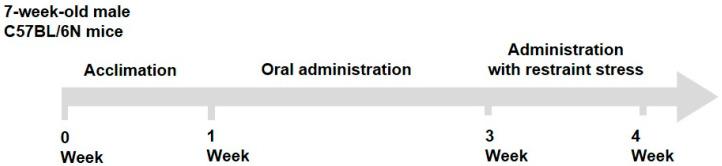
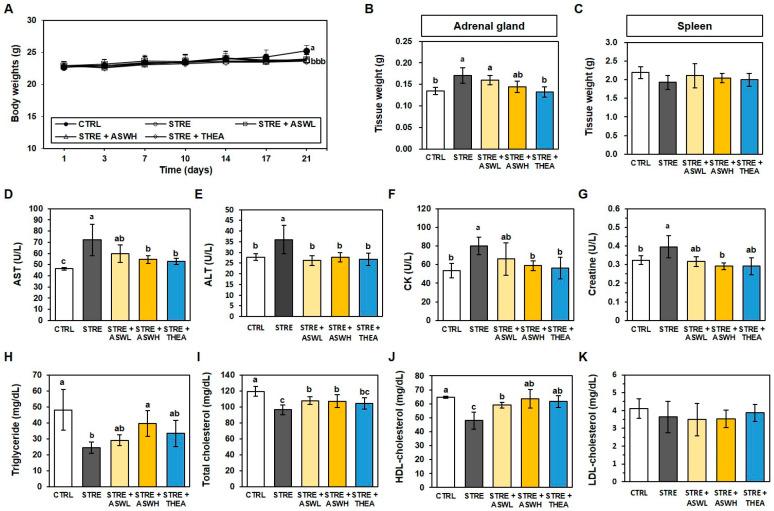
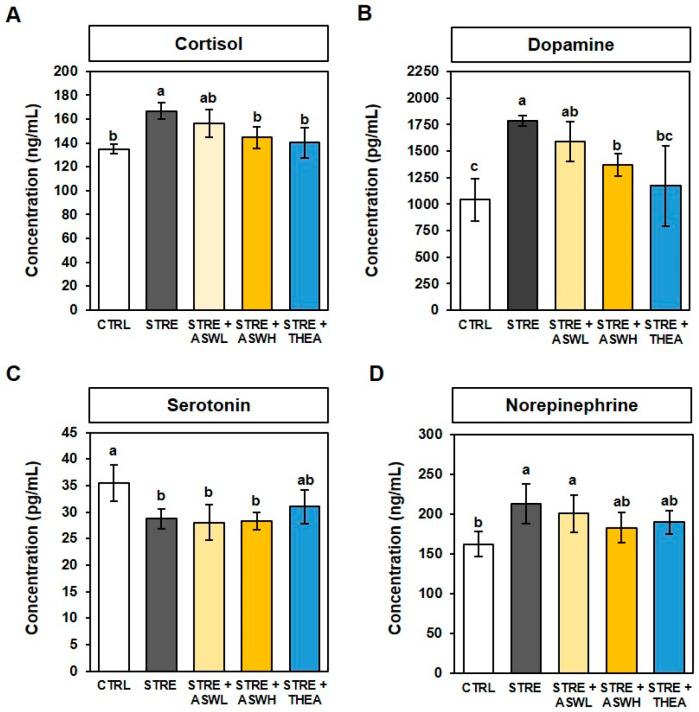
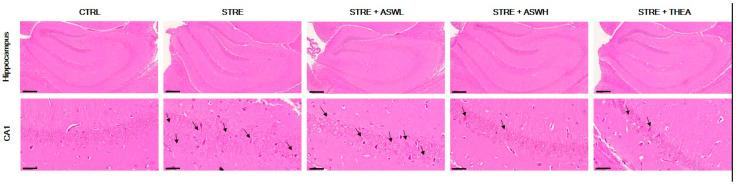
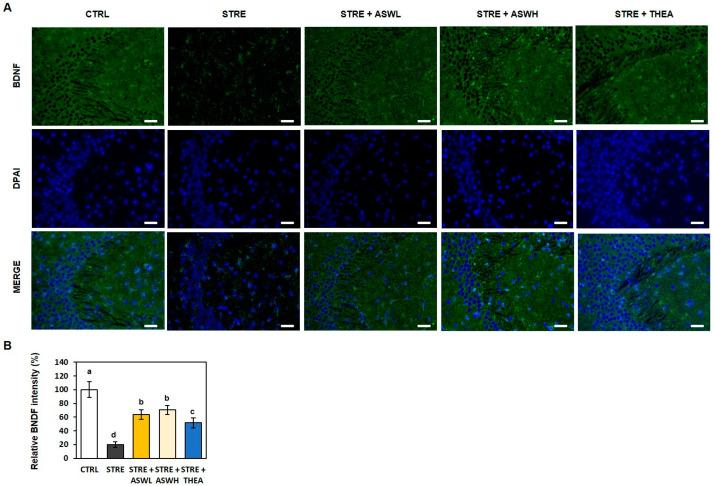
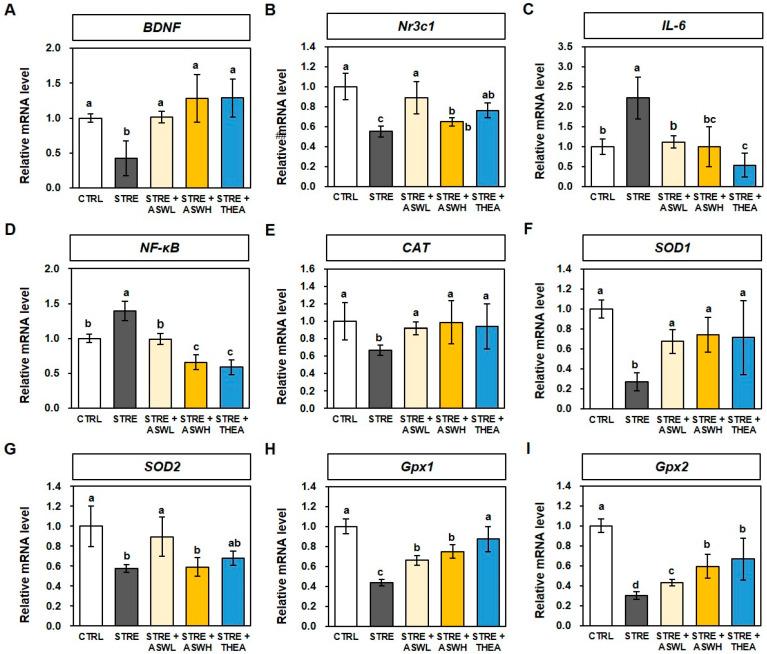
Stress is a major factor that threatens the body's homeostasis or well-being. Excessive stress causes psychological anxiety and tension, which disrupts the balance of the autonomic nervous system that maintains the body's balance, resulting in hormonal imbalance and brain changes. In this study, we investigated the effects of (Ashwagandha) extract on depression, neurobehavior, and hippocampal changes in model mice exposed to stress. Using an excessive restraint stress-induced depression model, we measured the behavioral changes and the levels of () and antioxidant genes in five groups: control, stress, low-dose extract (20 mg/kg/day), high-dose extract (40 mg/kg/day), and L-theanine (50 mg/kg/day, positive control). Stressed mice showed poorer performance in the open field and elevated plus maze tests compared with the control group. The impaired performance was restored following extract administration. In addition, extract restored the decreased expression of BDNF in the hippocampus caused by restraint stress, improved the balance of stress hormones (i.e., cortisol, dopamine, and norepinephrine), and also regulated , inflammatory genes, and antioxidant genes in brain tissue. Therefore, extract can induce antidepressant and anti-stress effects by maintaining brain BDNF expression and preventing hippocampal tissue alterations caused by restraint stress.
压力是威胁身体内稳态或健康的主要因素。过度压力会导致心理焦虑和紧张,这会扰乱维持身体平衡的自主神经系统的平衡,从而导致激素失衡和大脑变化。在本研究中,我们调查了南非醉茄提取物对暴露于压力下的模型小鼠的抑郁、神经行为和海马体变化的影响。使用过度束缚应激诱导的抑郁模型,我们测量了五组小鼠的行为变化以及脑源性神经营养因子(BDNF)和抗氧化基因的水平:对照组、应激组、低剂量南非醉茄提取物组(20毫克/千克/天)、高剂量南非醉茄提取物组(40毫克/千克/天)和L-茶氨酸组(50毫克/千克/天,阳性对照组)。与对照组相比,应激小鼠在旷场试验和高架十字迷宫试验中的表现更差。给予南非醉茄提取物后,受损的表现得到恢复。此外,南非醉茄提取物恢复了束缚应激导致的海马体中BDNF表达的降低,改善了应激激素(即皮质醇、多巴胺和去甲肾上腺素)的平衡,还调节了脑组织中的BDNF、炎症基因和抗氧化基因。因此,南非醉茄提取物可通过维持大脑BDNF表达和预防束缚应激引起的海马体组织改变来诱导抗抑郁和抗应激作用。

 Zotero 插件