
使用准分子灯和过氧化氢对聚对苯二甲酸乙二酯和对苯二甲酸双(2-羟乙基)酯进行光降解:一种处理聚对苯二甲酸乙二酯衍生废料的策略。
Photodegradation of Polyethylene Terephthalate and Bis(2-hydroxyethyl) Terephthalate Using Excimer Lamps and Hydrogen Peroxide: A Strategy for PET-Derived Waste Treatment.
作者信息
Navarro-García Ángel, Gómez María, Murcia María D, Gómez Elisa, Hidalgo Asunción M, Dorado Luis A, Bastida Josefa
机构信息
Department of Chemical Engineering, Campus de Espinardo, University of Murcia, 30100 Murcia, Spain.
出版信息
Molecules. 2025 Aug 7;30(15):3302. doi: 10.3390/molecules30153302.
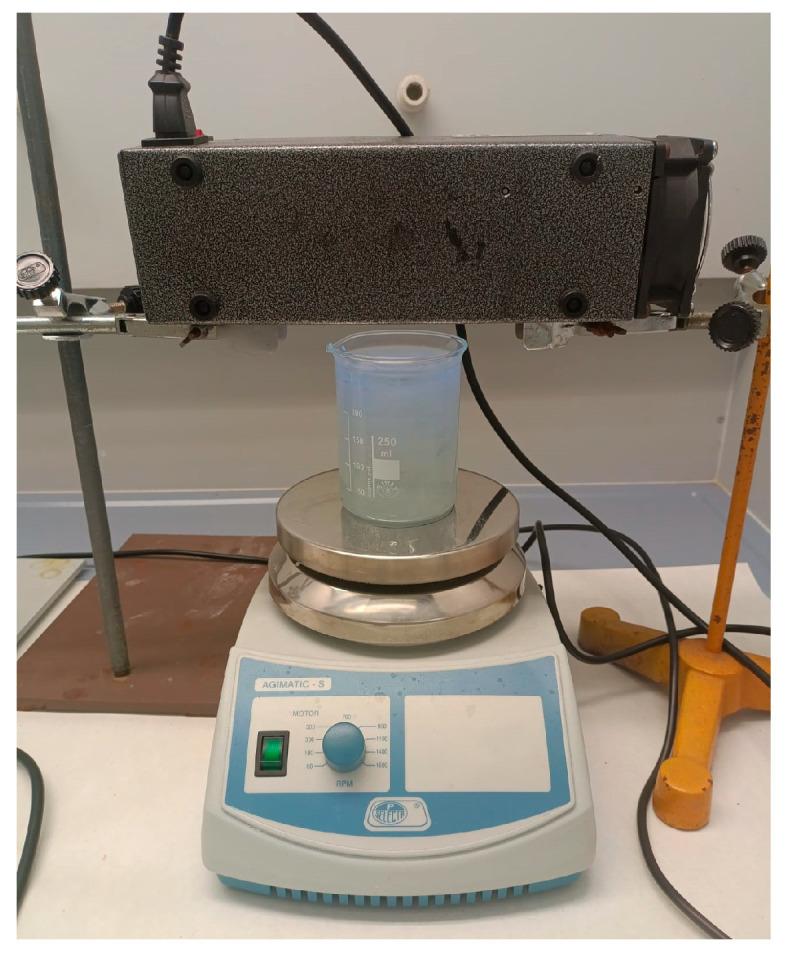
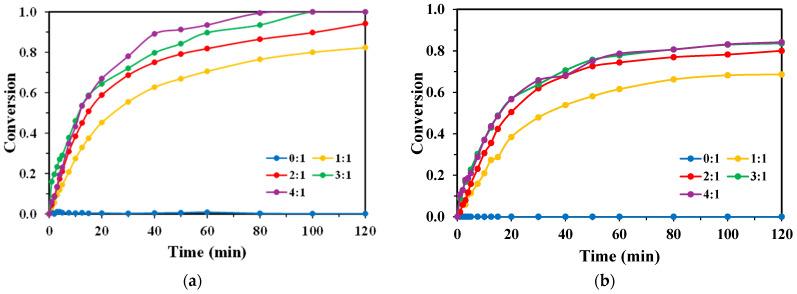
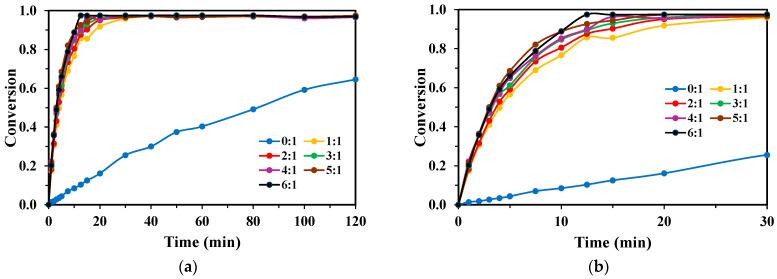
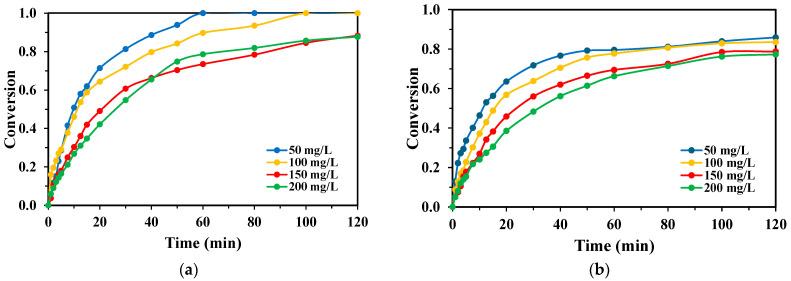
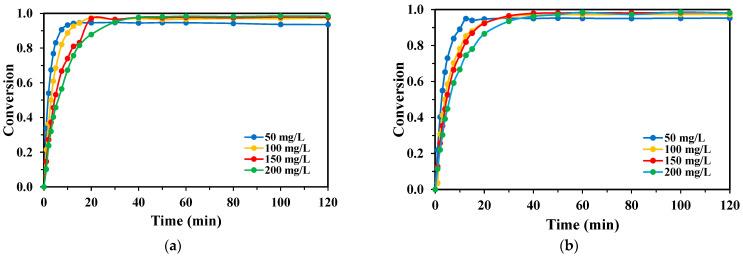
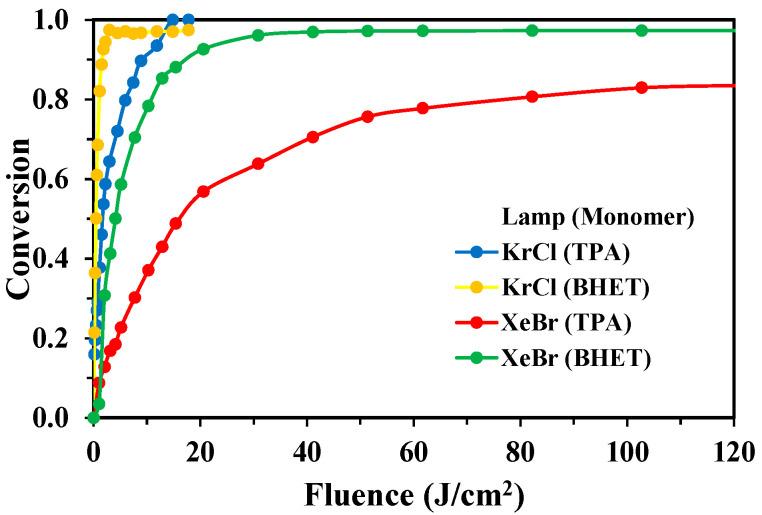
Polyethylene terephthalate (PET) is a widely used polymer whose accumulation in the environment poses a significant pollution challenge. This study explores the degradation of bis(2-hydroxyethyl) terephthalate (BHET) and terephthalic acid (TPA)-two monomers commonly produced during PET hydrolysis and widely used as intermediates in PET recycling-through Advanced Oxidation Processes (AOPs) employing KrCl (222 nm) and XeBr (283 nm) excimer lamps in the presence of hydrogen peroxide (HO). The effects of the HO/monomer mass ratio, initial monomer concentrations, and reaction volume on degradation efficiency were systematically evaluated. The results demonstrate that excimer lamp technology, particularly KrCl, holds promising potential for the effective degradation of both BHET and TPA, and thus represents a viable strategy for PET waste treatment.
聚对苯二甲酸乙二酯(PET)是一种广泛使用的聚合物,其在环境中的积累带来了重大的污染挑战。本研究探索了对苯二甲酸双(2-羟乙基)酯(BHET)和对苯二甲酸(TPA)的降解——这两种单体通常在PET水解过程中产生,并在PET回收中广泛用作中间体——通过在过氧化氢(HO)存在的情况下使用KrCl(222纳米)和XeBr(283纳米)准分子灯的高级氧化过程(AOPs)。系统评估了HO/单体质量比、初始单体浓度和反应体积对降解效率的影响。结果表明,准分子灯技术,特别是KrCl,在有效降解BHET和TPA方面具有广阔的潜力,因此是一种可行的PET废料处理策略。




 Zotero 插件