
基于含鼠尾草提取物的生物黏附微粒的新型治疗胃溃疡功能性食品:抗溃疡、抗胃酸分泌及增强H/K-ATP酶抑制活性
New Functional Food for the Treatment of Gastric Ulcer Based on Bioadhesive Microparticles Containing Sage Extract: Anti-Ulcerogenic, Anti-, and H/K-ATPase-Inhibiting Activity Enhancement.
作者信息
Bachir Yacine Nait, Nait Bachir Ryma, Medjkane Meriem, Boudjema Nouara, Foligni Roberta
机构信息
University of Blida 1, BP 270 Route Soumâa, Blida 09000, Algeria.
Elbe Klinikum Stade, Bremervörder Straße 111, 21682 Stade, Germany.
出版信息
Foods. 2025 Aug 7;14(15):2757. doi: 10.3390/foods14152757.
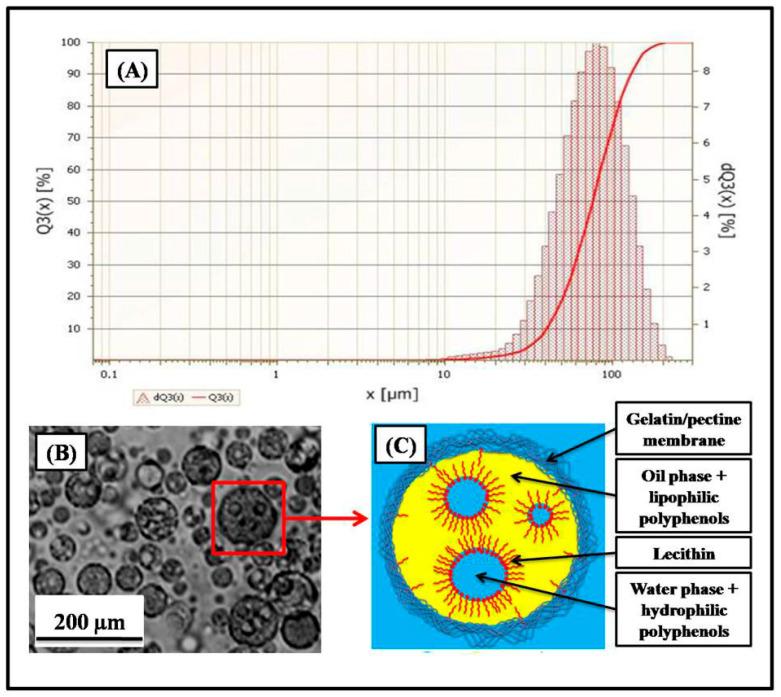
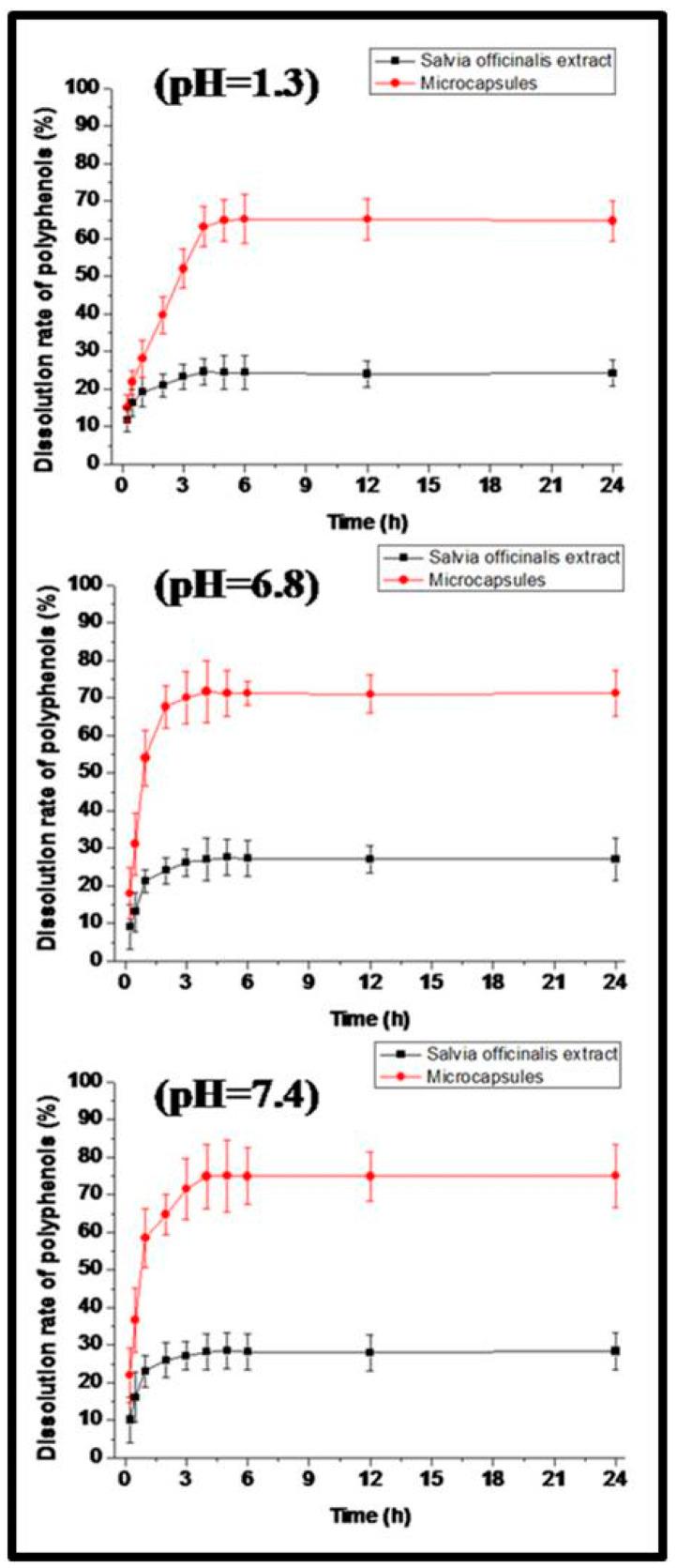
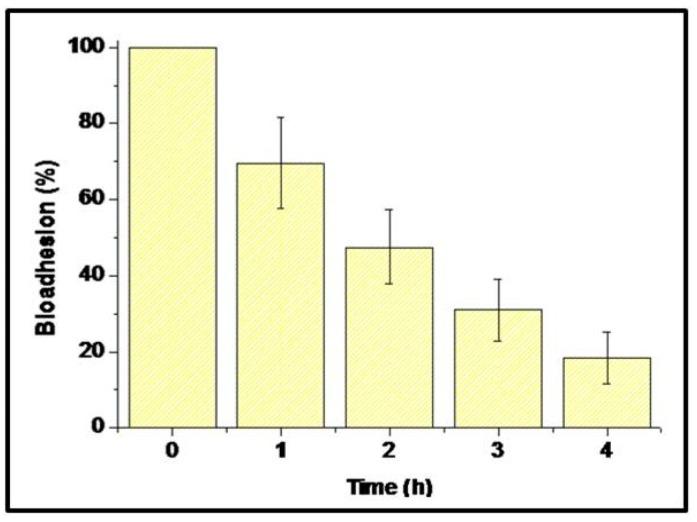
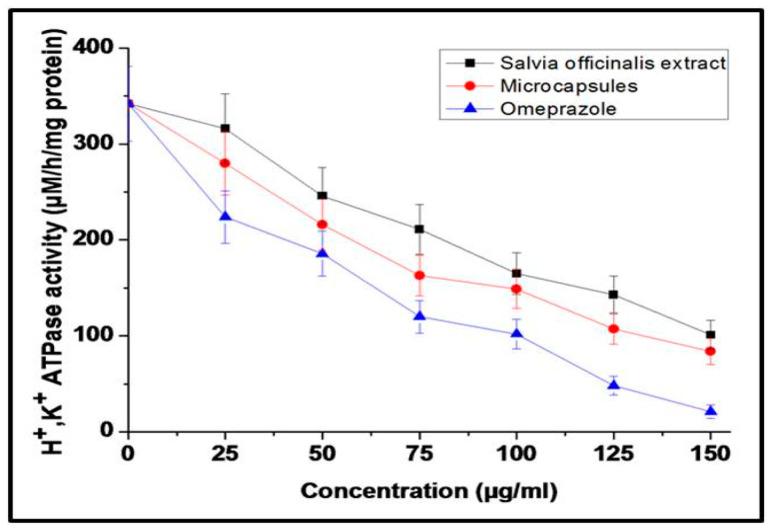
is an aromatic plant of Mediterranean origin traditionally used to treat inflammatory, cardiovascular, endocrine, and digestive diseases. In this work, the ability of the extract in the treatment of gastric ulcers was evaluated, and an innovative administration system was proposed to increase the therapeutic effect of this plant. ethanolic extract was prepared and analyzed by HPLC/UV-DAD and encapsulated in a matrix based on gelatin and pectin using an emulsion-coacervation process. The prepared microcapsules were analyzed by laser particle size, optical microscopy, in vitro dissolution kinetics, and ex vivo bioadhesion. In order to determine the action mechanism of extract, in the treatment of gastric ulcer, the in vivo anti-ulcerogenic activity in rats, using the ulcer model induced by ethanol; the in vivo anti- activity; and in vitro inhibitory activity of H/K-ATPase were carried out. These three biological activities were evaluated for ethanolic extract and microcapsules to determine the effect of formulation on biological activities. Ethanolic extract of was mainly composed of polyphenols (chlorogenic acid 7.43%, rutin 21.74%, rosmarinic acid 5.88%, and quercitrin 14.39%). Microencapsulation of this extract allowed us to obtain microcapsules of 104.2 ± 7.5 µm in diameter, an encapsulation rate of 96.57 ± 3.05%, and adequate bioadhesion. The kinetics of in vitro dissolution of the extract increase significantly after its microencapsulation. Percentages of ulcer inhibition for 100 mg/kg of extract increase from 71.71 ± 2.43% to 89.67 ± 2.54% after microencapsulation. In vitro H/K-ATPase-inhibiting activity resulted in an IC50 of 86.08 ± 8.69 µM/h/mg protein for free extract and 57.43 ± 5.78 µM/h/mg protein for encapsulated extract. Anti- activity showed a similar Minimum Inhibitory Concentration (MIC) of 50 µg/mL for the extract and microcapsules. ethanolic extract has a significant efficacy for the treatment of gastric ulcer; its mechanism of action is based on its gastroprotective effect, anti-, and H/K-ATPase inhibitor. Moreover, the microencapsulation of this extract increases its gastroprotective and H/K-ATPase-inhibiting activities significantly.
是一种原产于地中海的芳香植物,传统上用于治疗炎症、心血管、内分泌和消化系统疾病。在这项工作中,评估了该提取物治疗胃溃疡的能力,并提出了一种创新的给药系统以提高这种植物的治疗效果。制备了乙醇提取物,并通过高效液相色谱/紫外-二极管阵列检测器(HPLC/UV-DAD)进行分析,然后使用乳化凝聚法将其包封在基于明胶和果胶的基质中。通过激光粒度分析、光学显微镜、体外溶出动力学和离体生物黏附性对制备的微胶囊进行分析。为了确定该提取物治疗胃溃疡的作用机制,在大鼠体内进行了抗溃疡活性实验(使用乙醇诱导的溃疡模型)、体内抗炎活性实验以及体外H⁺/K⁺-ATP酶抑制活性实验。对乙醇提取物和微胶囊进行了这三种生物学活性的评估,以确定制剂对生物学活性的影响。该植物的乙醇提取物主要由多酚类物质组成(绿原酸7.43%、芦丁21.74%、迷迭香酸5.88%和槲皮苷14.39%)。对该提取物进行微囊化处理后,得到了直径为104.2±7.5 µm的微胶囊,包封率为96.57±3.05%,且具有良好的生物黏附性。提取物微囊化后,其体外溶出动力学显著增加。微囊化后,100 mg/kg提取物的溃疡抑制率从71.71±2.43%提高到89.67±2.54%。体外H⁺/K⁺-ATP酶抑制活性实验结果显示,游离提取物的IC50为86.08±8.69 µM/h/mg蛋白质,包封提取物的IC50为57.43±5.78 µM/h/mg蛋白质。抗炎活性实验表明,提取物和微胶囊的最低抑菌浓度(MIC)相似,均为50 µg/mL。该植物的乙醇提取物对治疗胃溃疡具有显著疗效;其作用机制基于其胃保护作用、抗炎作用以及H⁺/K⁺-ATP酶抑制作用。此外,该提取物的微囊化显著提高了其胃保护和H⁺/K⁺-ATP酶抑制活性。



 Zotero 插件