
一个用于评估脑功能子回路信息论适应性的原则性框架。
A Principled Framework to Assess the Information-Theoretic Fitness of Brain Functional Sub-Circuits.
作者信息
Duong-Tran Duy, Nguyen Nghi, Mu Shizhuo, Chen Jiong, Bao Jingxuan, Xu Frederick H, Garai Sumita, Cadena-Pico Jose, Kaplan Alan David, Chen Tianlong, Zhao Yize, Shen Li, Goñi Joaquín
机构信息
Department of Biostatistics, Epidemiology, and Informatics (DBEI), Perelman School of Medicine, University of Pennsylvania, Philadelphia, PA 19104, USA.
Department of Mathematics, United States Naval Academy, Annapolis, MD 21402, USA.
出版信息
Mathematics (Basel). 2024 Oct;12(19). doi: 10.3390/math12192967. Epub 2024 Sep 24.
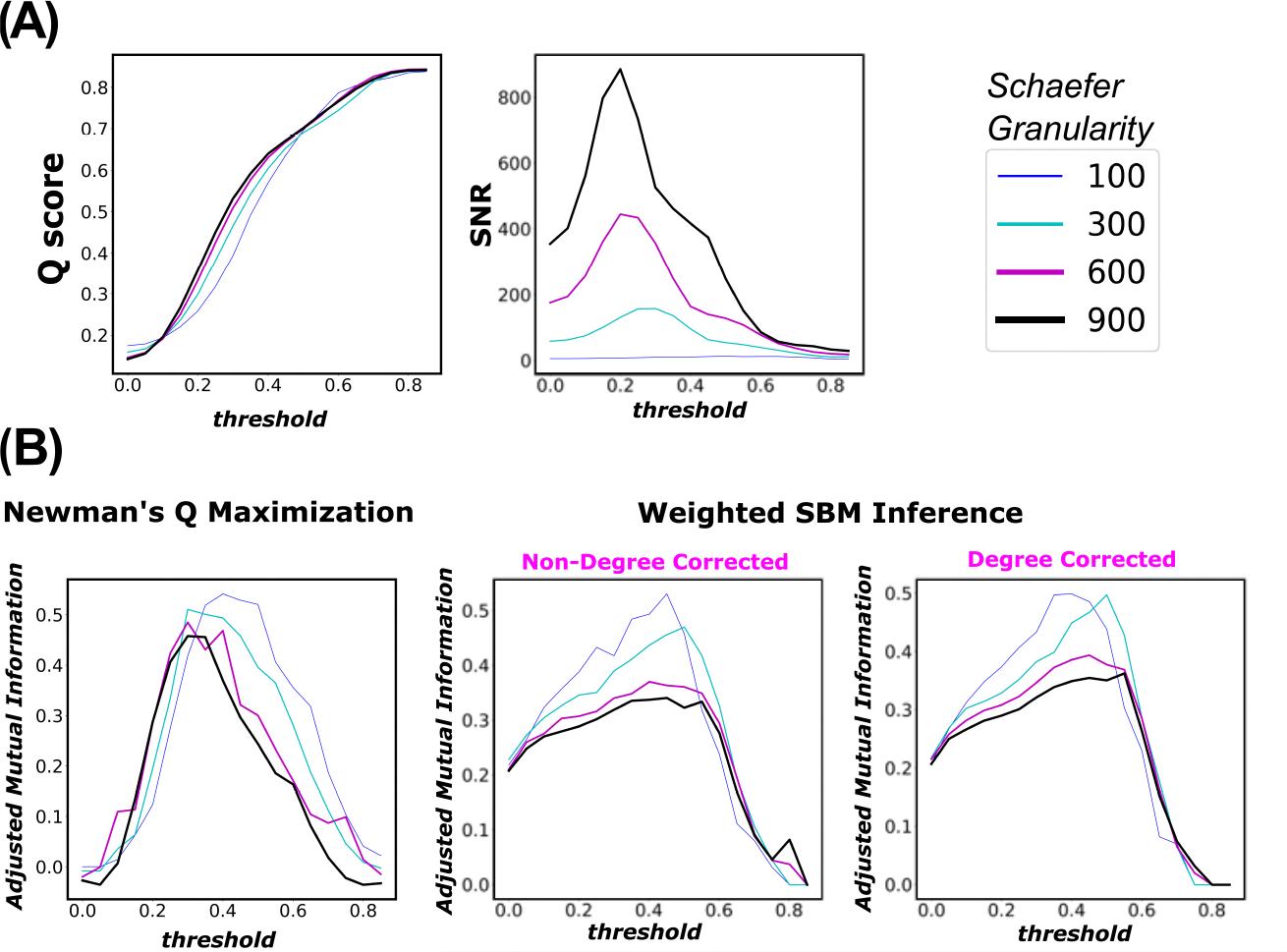
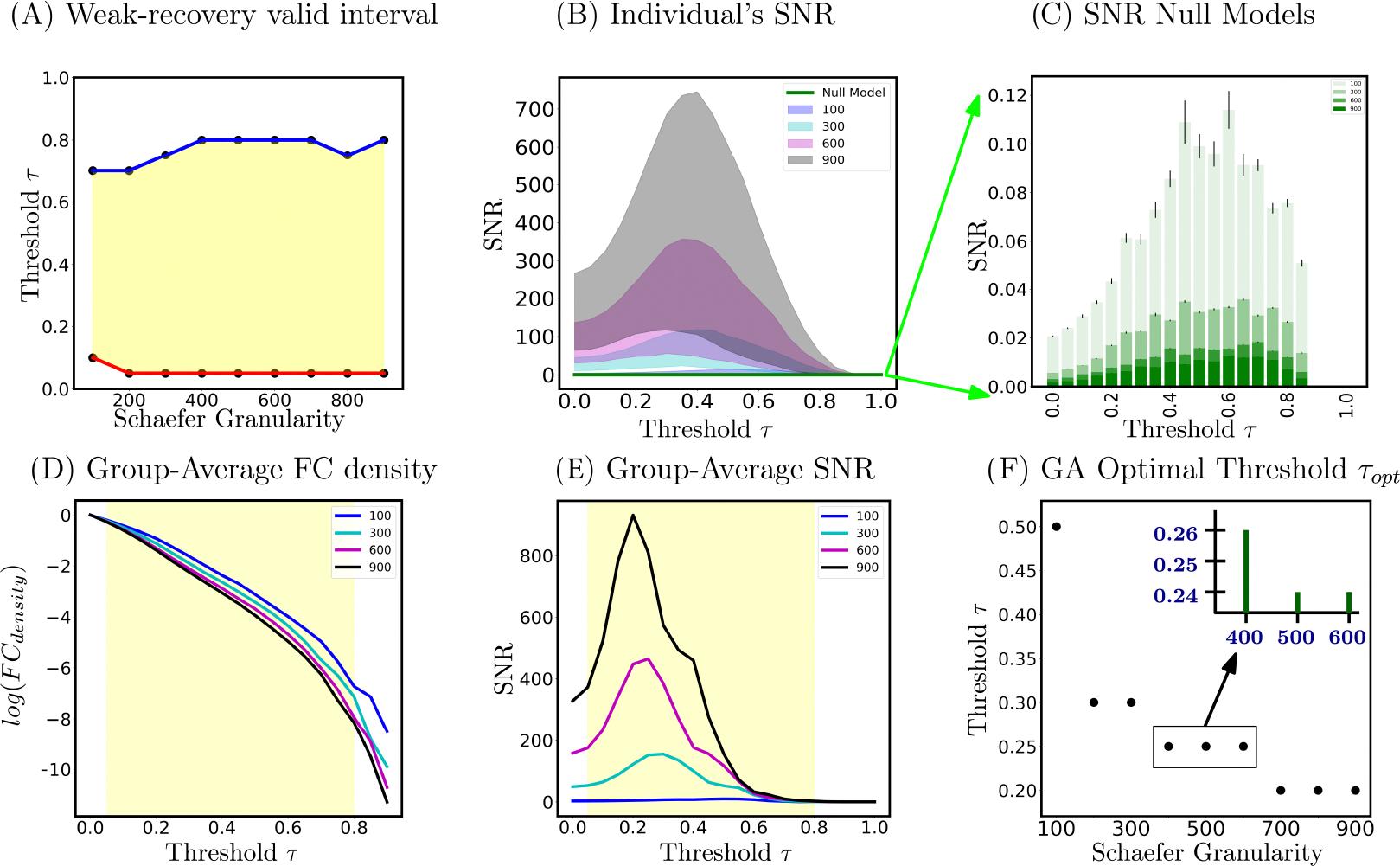
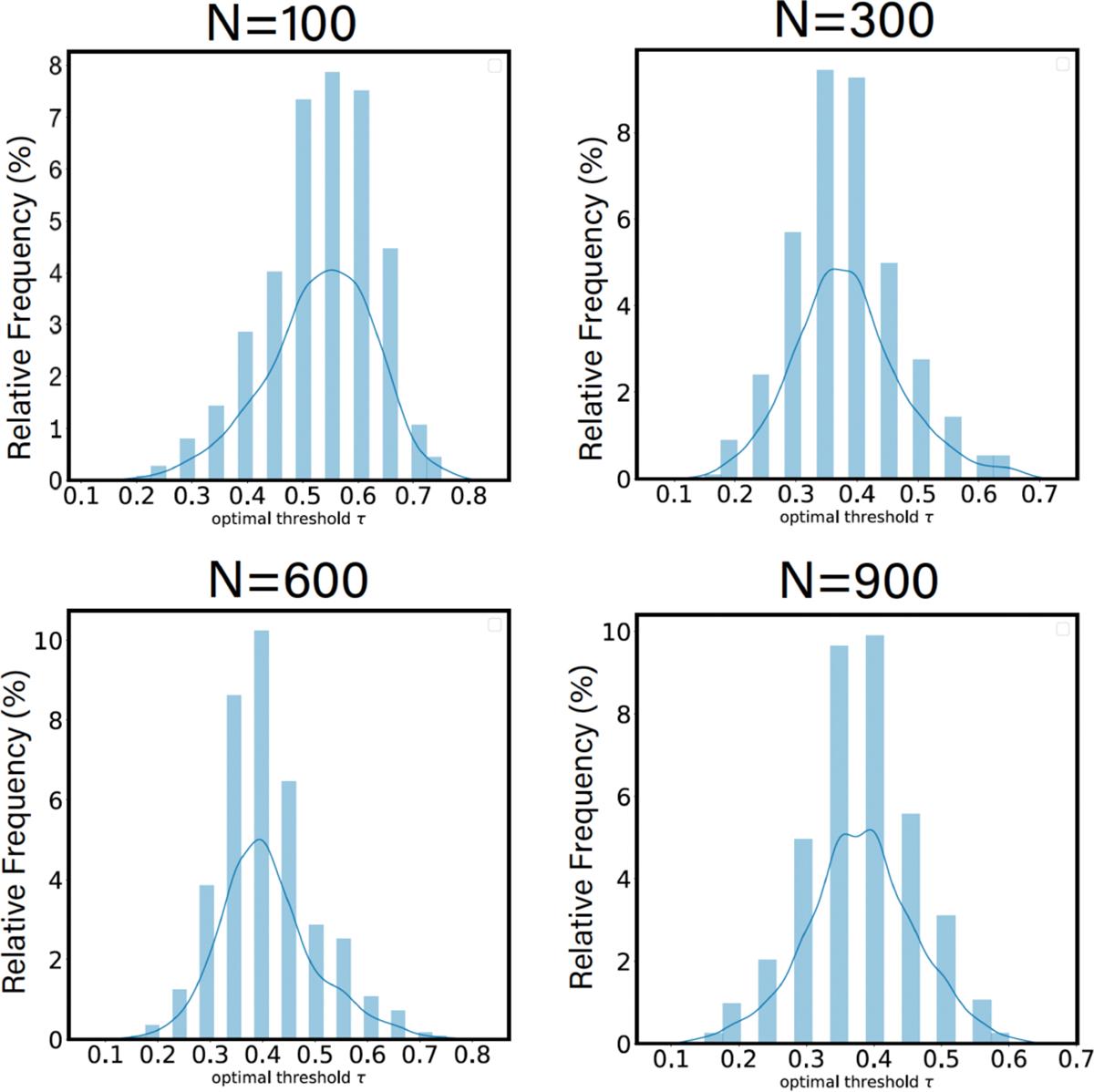
In systems and network neuroscience, many common practices in brain connectomic analysis are often not properly scrutinized. One such practice is mapping a predetermined set of sub-circuits, like functional networks (FNs), onto subjects' functional connectomes (FCs) without adequately assessing the information-theoretic appropriateness of the partition. Another practice that goes unchallenged is thresholding weighted FCs to remove spurious connections without justifying the chosen threshold. This paper leverages recent theoretical advances in Stochastic Block Models (SBMs) to formally define and quantify the information-theoretic fitness (e.g., prominence) of a predetermined set of FNs when mapped to individual FCs under different fMRI task conditions. Our framework allows for evaluating any combination of FC granularity, FN partition, and thresholding strategy, thereby optimizing these choices to preserve the important topological features of the human brain connectomes. By applying to the Human Connectome Project with Schaefer parcellations at multiple levels of granularity, the framework showed that the common thresholding value of 0.25 was indeed information-theoretically valid for group-average FCs, despite its previous lack of justification. Our results pave the way for the proper use of FNs and thresholding methods, and provide insights for future research in individualized parcellations.
在系统与网络神经科学领域,脑连接组分析中的许多常见做法往往未得到充分审视。其中一种做法是将一组预先确定的子电路(如功能网络(FNs))映射到受试者的功能连接组(FCs)上,却没有充分评估这种划分在信息论上的合理性。另一种未受质疑的做法是对加权FCs进行阈值处理以去除虚假连接,但却没有对所选择的阈值给出合理依据。本文利用随机块模型(SBMs)的最新理论进展,正式定义并量化在不同功能磁共振成像(fMRI)任务条件下,一组预先确定的FNs映射到个体FCs时的信息论适应性(如显著性)。我们的框架允许评估FC粒度、FN划分和阈值处理策略的任何组合,从而优化这些选择以保留人类脑连接组的重要拓扑特征。通过将该框架应用于具有多个粒度水平的Schaefer脑区划分的人类连接组计划,结果表明,尽管之前缺乏依据,但0.25这个常见的阈值在信息论上对于组平均FCs确实是有效的。我们的研究结果为正确使用FNs和阈值处理方法铺平了道路,并为未来个性化脑区划分的研究提供了见解。




 Zotero 插件