
整合生物信息学分析揭示了免疫球蛋白A肾病中的关键转录因子及其相互作用药物:对发病机制和治疗的启示。
Integrative bioinformatics analysis unveils hub transcription factors and their interacting drugs in immunoglobulin A nephropathy: Implications for pathogenesis and treatments.
作者信息
Wang YiRui, Yu Yang, Zaker Rexidan
机构信息
Department of Pharmacy, First Affiliated Hospital of Xinjiang Medical University, China.
Department of Nephrology, First Affiliated Hospital of Xinjiang Medical University, China.
出版信息
J Genet Eng Biotechnol. 2025 Sep;23(3):100513. doi: 10.1016/j.jgeb.2025.100513. Epub 2025 May 29.
INTRODUCTION
Several studies identified genetic factors and key cellular signaling associated with developing immunoglobulin A nephropathy (IgAN). However, there is still a lack of understanding regarding the relationship between hub-transcription factors (TFs) encoding genes and changes in immunogenic activity. Our objective was to identify hub-TF encoding genes associated with immune cell infiltrations, immunogenic pathway activity, and potential drug candidates in IgAN through bioinformatics techniques.
METHODS
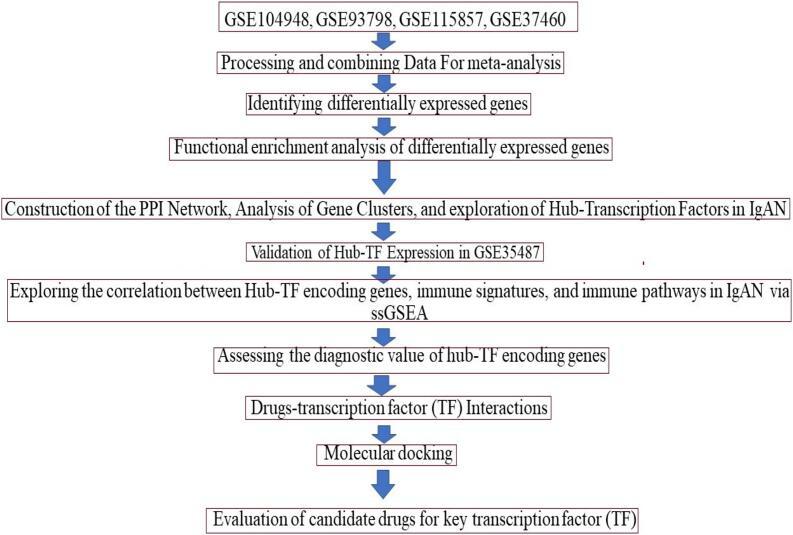
We utilized GSE104948, GSE93798, GSE115857, GSE37460, and GSE35487 to identify key significant DEGs and validation in IgAN relative to the control. Next, we employed various bioinformatics approaches to investigate the key genes and their relationship with immunity in IgAN. Finally, we identitified enriched drugs and elcudate their molecular interactions with TFs via molecular docking approaches.
RESULTS
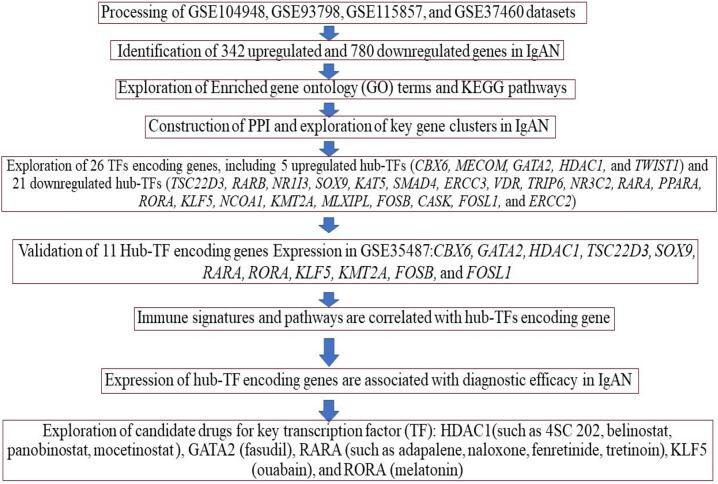
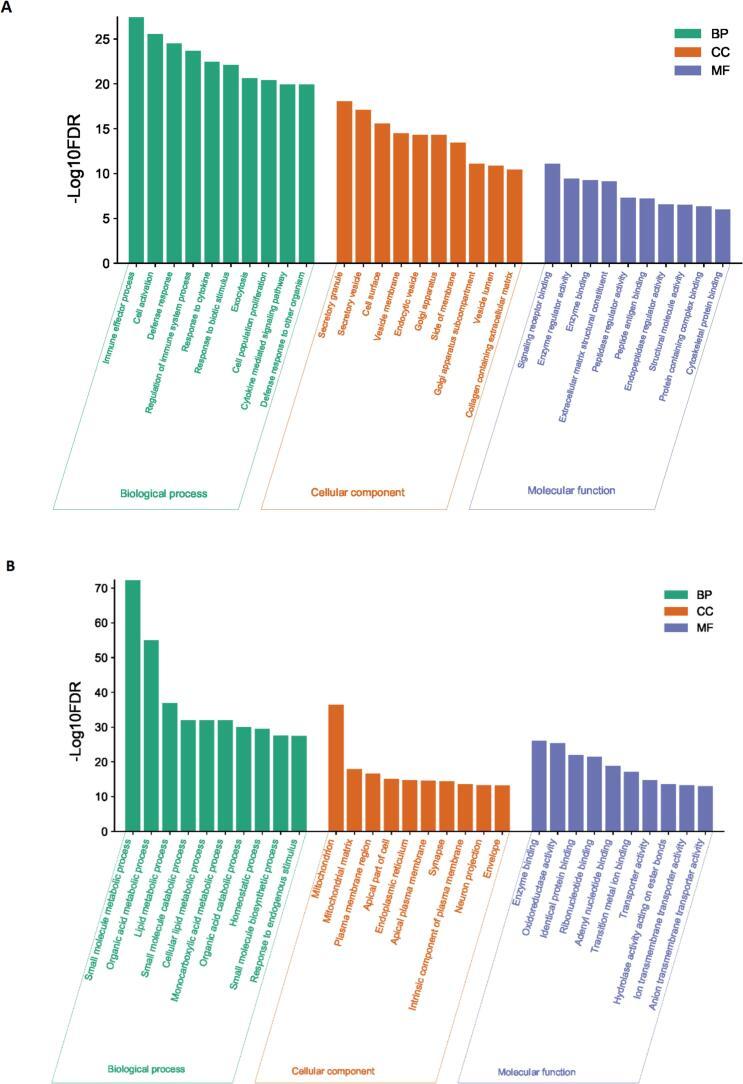
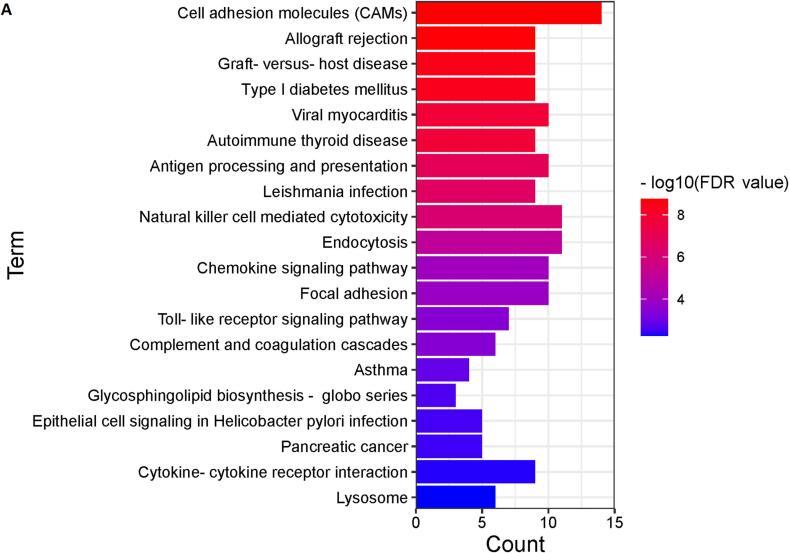
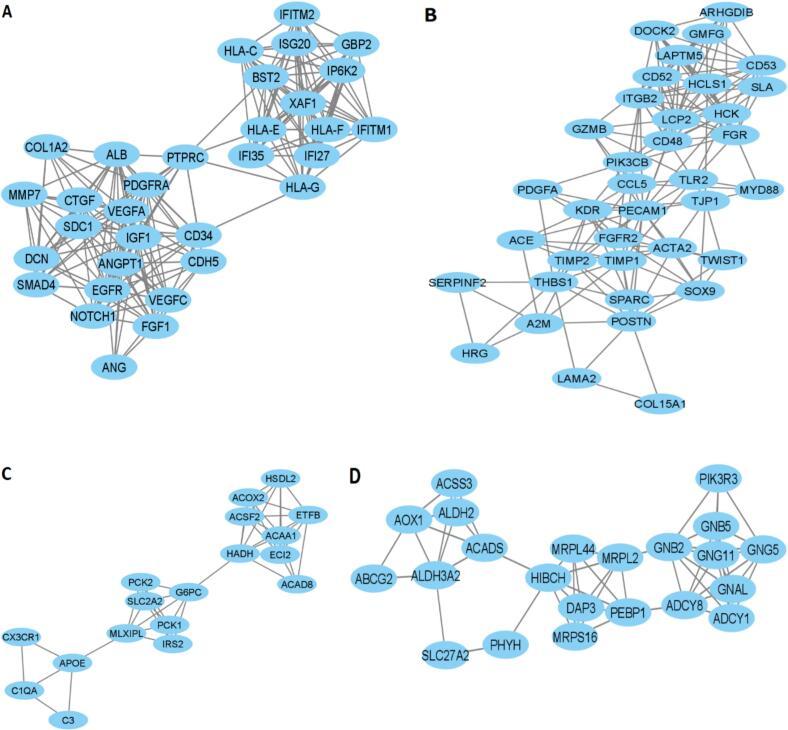
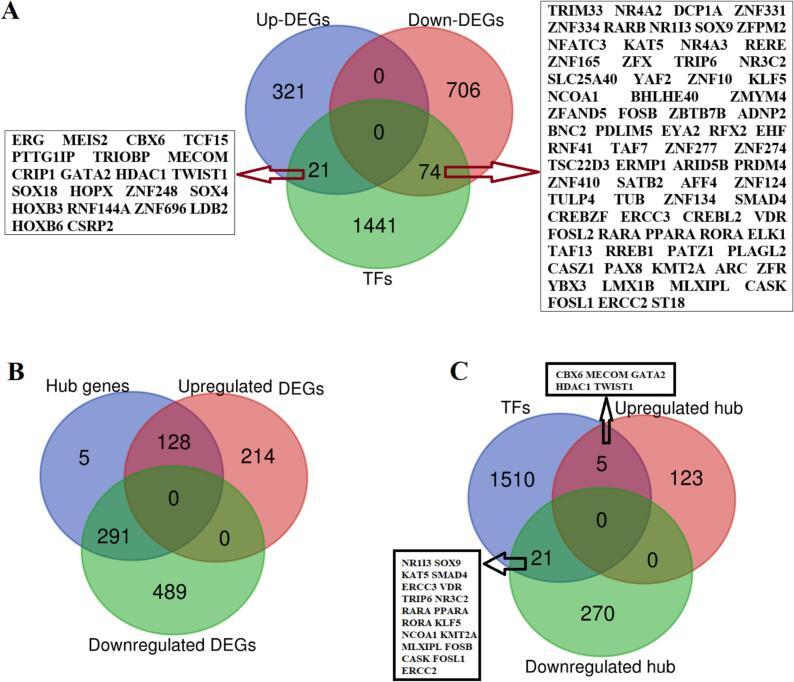
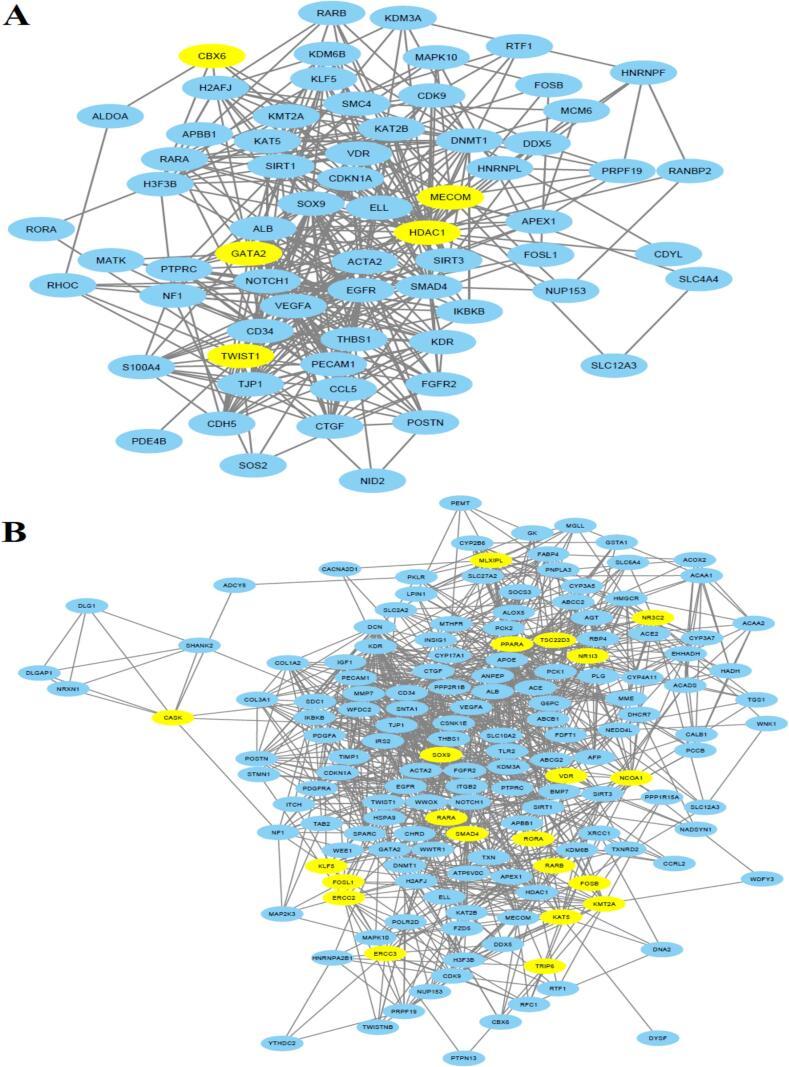
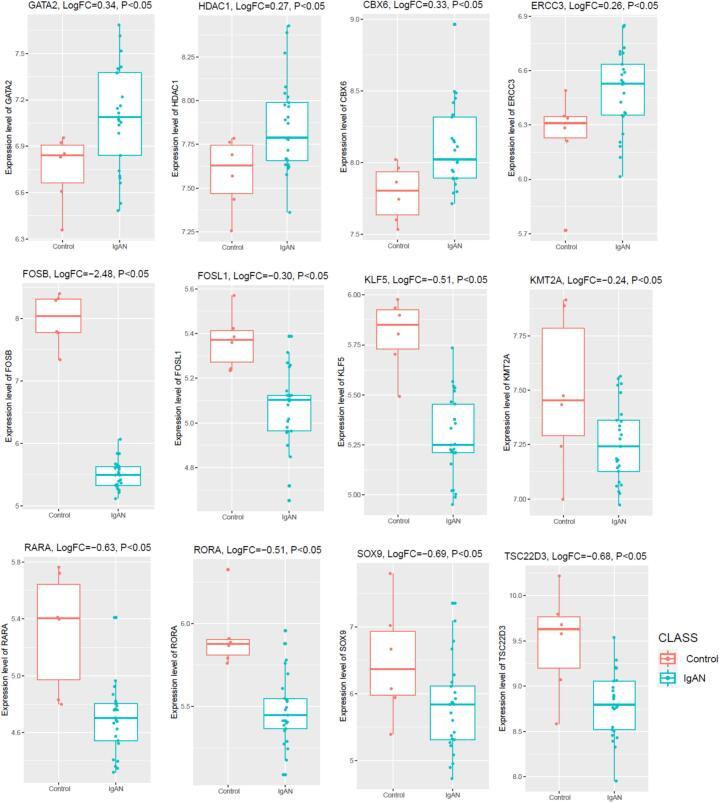
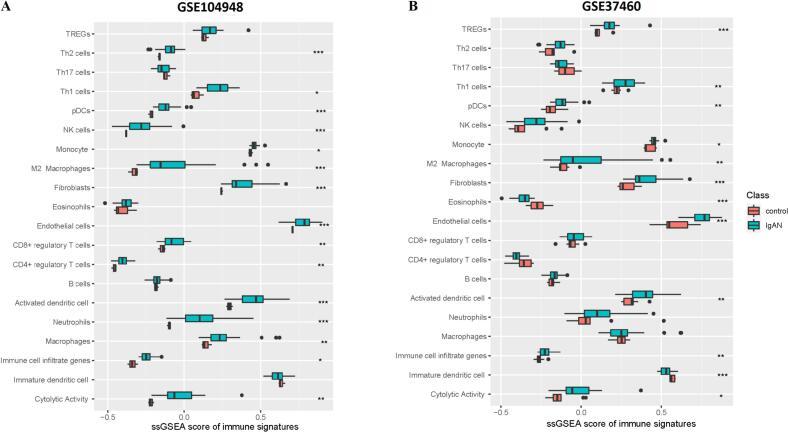
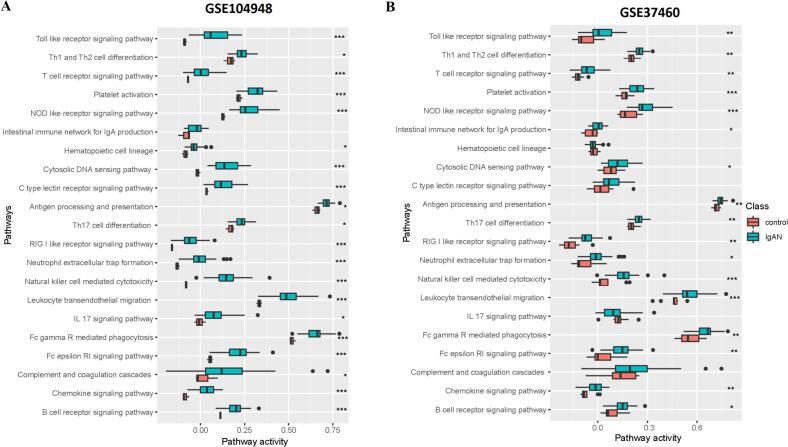
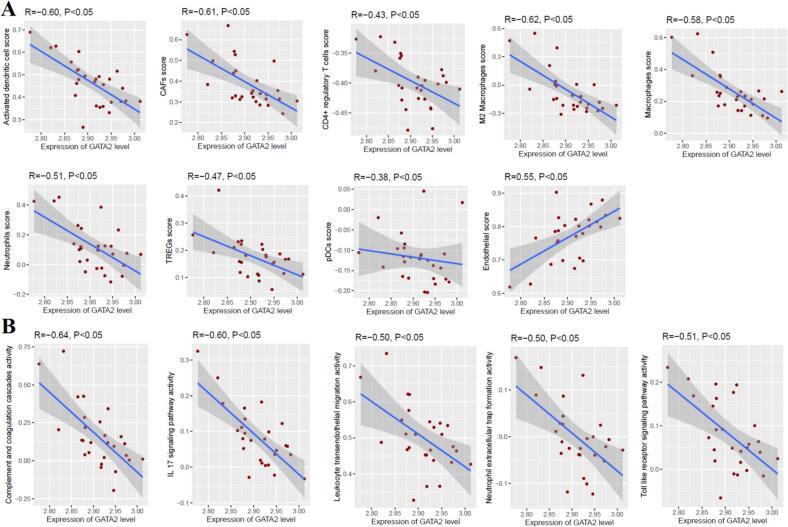
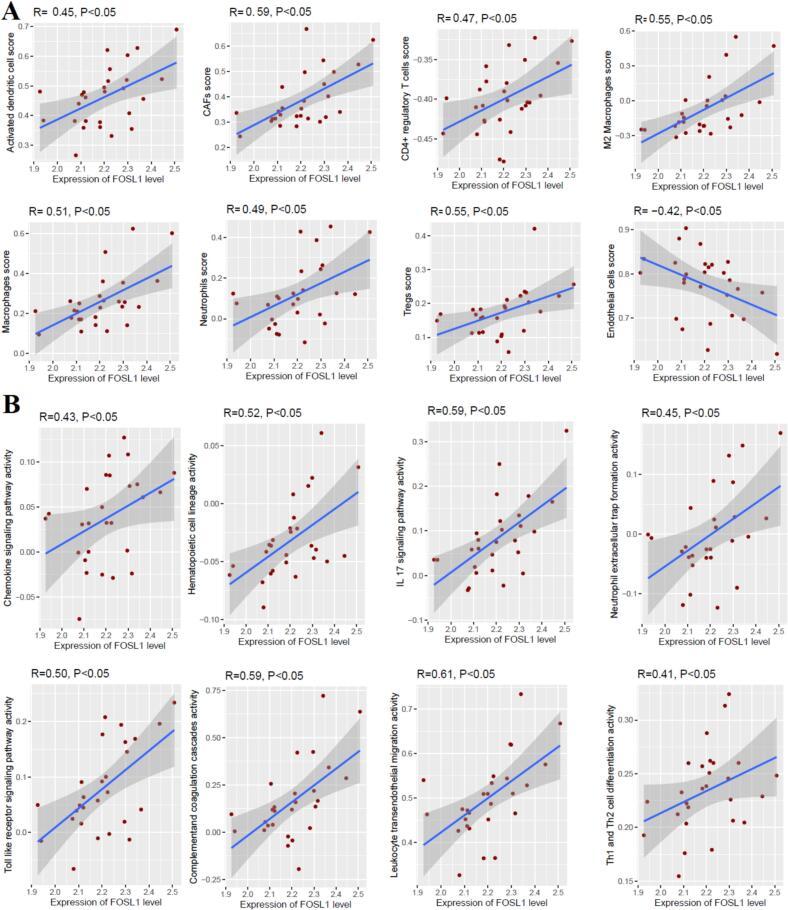
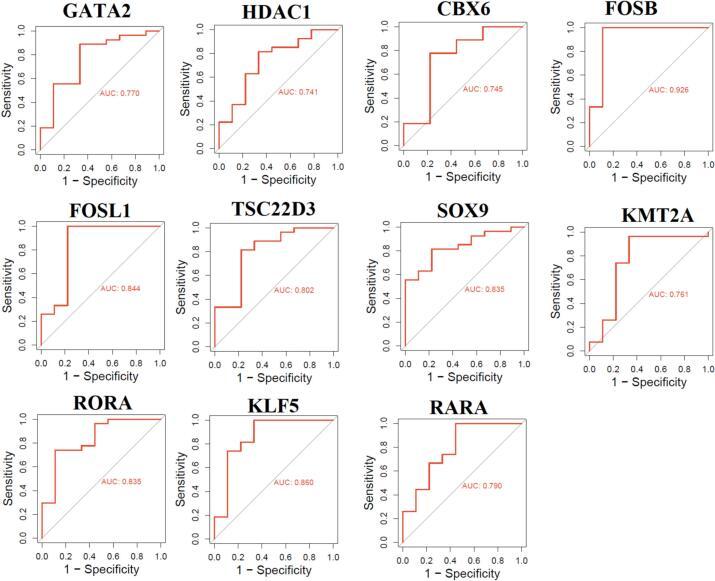
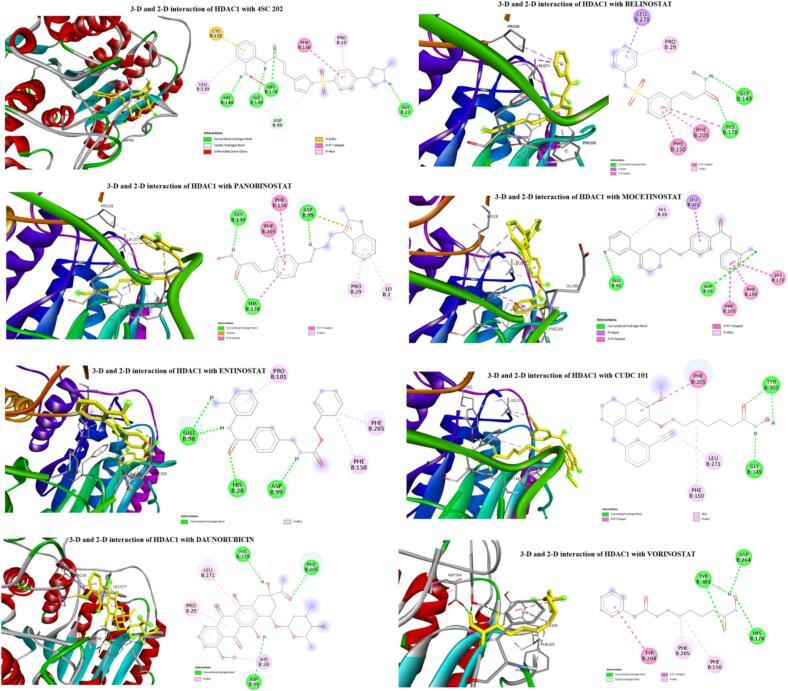
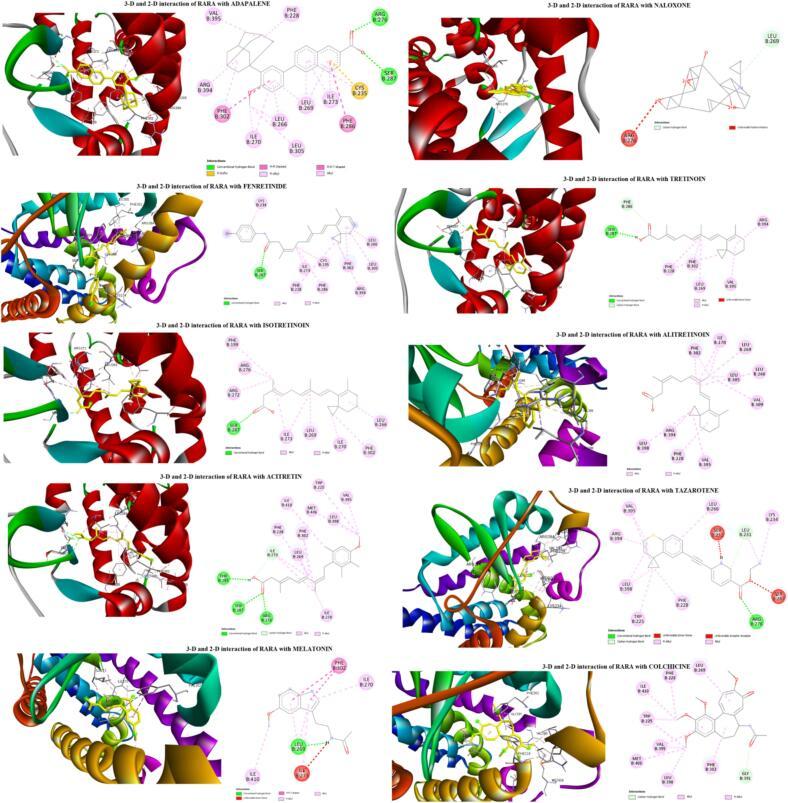
We identified 1,123 differentially expressed genes (DEGs) between IgAN and control samples, comprising 342 upregulated genes and 780 downregulated genes. The upregulated genes are linked to immune-related biological processes and KEGG pathways, while the downregulated genes are associated with metabolic processes. Five significant clusters were identified, enriched in several KEGG pathways. We explored 26 hub-TF encoding genes, including GATA2, HDAC1, TSC22D3, SOX9, RARA, RORA, KLF5, KMT2A, FOSB, and FOSL1, which were consistently dysregulated in IgAN patients. Immunogenic analysis revealed increased levels of Th1 cells, pDCs, monocytes, M2 macrophages, fibroblasts, endothelial cells, and activated dendritic cells in IgAN. The activity of various immunological pathways was also elevated. The expression of hub-TFs like GATA2, HDAC1, TSC22D3, SOX9, RARA, RORA, KLF5, KMT2A, FOSB, and FOSL1 correlated with immune signatures and pathways in IgAN. Additionally, these hub-TFs were linked to diagnostic efficacy and drug interactions. Molecular docking identified key drug candidates for inhibiting HDAC1 and modulating RARA, suggesting their potential for IgAN treatment.
CONCLUSIONS
We identified key hub-TFs and their association with immune infiltration and immune pathways linked to IgAN initiation and progression. These findings provide important insights into the immunological mechanisms driving IgAN and propose potential treatment approaches. Molecular docking further revealed key drug candidates for inhibiting and modulating these targets, highlighting their therapeutic potential for IgAN.
引言
多项研究确定了与免疫球蛋白A肾病(IgAN)发生相关的遗传因素和关键细胞信号通路。然而,对于编码核心转录因子(TFs)的基因与免疫原性活性变化之间的关系仍缺乏了解。我们的目的是通过生物信息学技术,在IgAN中识别与免疫细胞浸润、免疫原性通路活性及潜在药物候选物相关的核心TF编码基因。
方法
我们利用GSE104948、GSE93798、GSE115857、GSE37460和GSE35487来识别IgAN相对于对照的关键显著差异表达基因(DEGs)并进行验证。接下来,我们采用多种生物信息学方法研究IgAN中的关键基因及其与免疫的关系。最后,我们通过分子对接方法识别富集的药物并阐明它们与TFs的分子相互作用。
结果
我们在IgAN和对照样本之间鉴定出1123个差异表达基因(DEGs),包括342个上调基因和780个下调基因。上调基因与免疫相关生物学过程和KEGG通路相关,而下调基因与代谢过程相关。识别出五个显著的聚类,富集于多个KEGG通路。我们探索了26个核心TF编码基因,包括GATA2、HDAC1、TSC22D3、SOX9、RARA、RORA、KLF5、KMT2A、FOSB和FOSL1,这些基因在IgAN患者中持续失调。免疫原性分析显示IgAN中Th1细胞、浆细胞样树突状细胞(pDCs)、单核细胞、M2巨噬细胞、成纤维细胞、内皮细胞和活化树突状细胞水平升高。各种免疫途径的活性也升高。GATA2、HDAC1、TSC22D3、SOX9、RARA、RORA、KLF5、KMT2A、FOSB和FOSL1等核心TFs的表达与IgAN中的免疫特征和途径相关。此外,这些核心TFs与诊断效能和药物相互作用相关。分子对接确定了抑制HDAC1和调节RARA的关键药物候选物,表明它们在IgAN治疗中的潜力。
结论
我们识别出关键的核心TFs及其与IgAN起始和进展相关的免疫浸润和免疫途径的关联。这些发现为驱动IgAN的免疫机制提供了重要见解,并提出了潜在的治疗方法。分子对接进一步揭示了抑制和调节这些靶点的关键药物候选物,突出了它们在IgAN治疗中的潜力。

 Zotero 插件