
瘦素可增强葡糖胺锑钠在热带利什曼原虫感染的巨噬细胞中调节巨噬细胞向M1表型极化的功效。
Leptin enhances the efficacy of glucantime to modulate macrophage polarization toward the M1 phenotype in Leishmania tropica-infected macrophages.
作者信息
Keyhani Alireza, Jafarzadeh Abdollah, Sharifi Iraj, Salarkia Ehsan
机构信息
Leishmaniasis Research Center, Kerman University of Medical Sciences, Medical University Campus, Haft-Bagh Highway, Kerman, 7616913555, Iran.
Applied Cellular and Molecular Research Center, Kerman University of Medical Sciences, Kerman, Iran.
出版信息
Parasit Vectors. 2025 Aug 25;18(1):360. doi: 10.1186/s13071-025-07004-6.
BACKGROUND
Macrophages are essential immune cells during Leishmania infection, as their polarization toward M1/M2 phenotypes determines disease outcome. This study aimed to investigate the modulatory effects of leptin, alone and in combination with glucantime, on macrophage polarization in Leishmania tropica infection.
METHODS
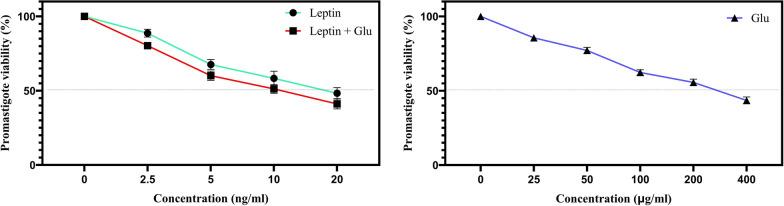
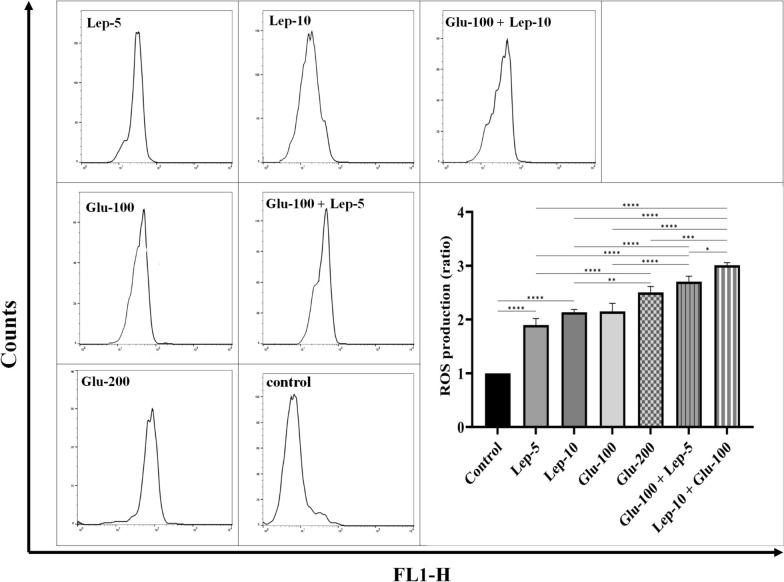
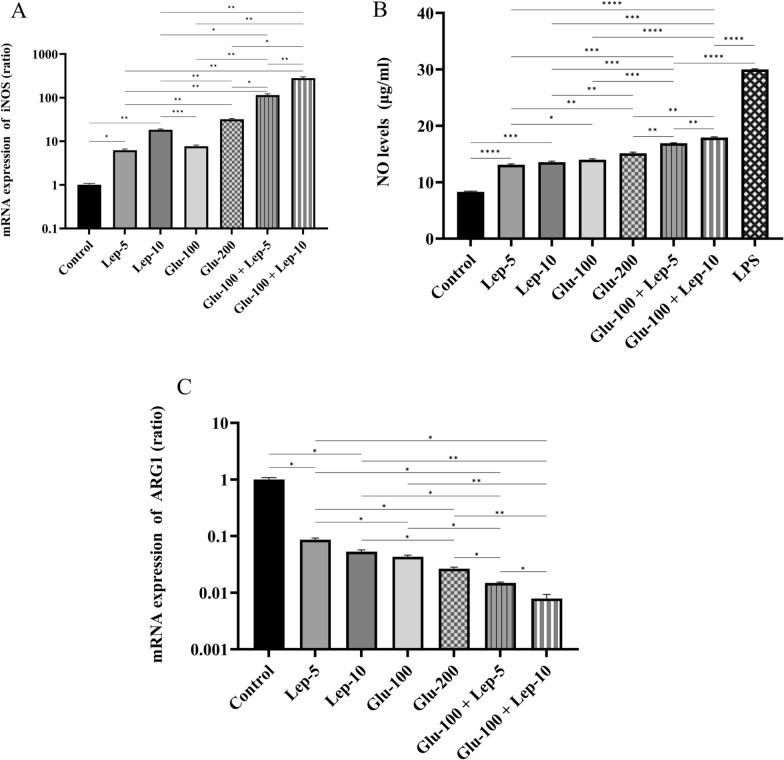
Human THP-1-derived macrophages infected with L. tropica were treated with leptin (5 or 10 ng/ml), glucantime (100 or 200 μg/ml), or their combinations. The cytotoxic effects, parasite survival, reactive oxygen species (ROS), nitric oxide (NO) generation, and expression of M1/M2 acrophage-related parameters were evaluated using standard methods.
RESULTS
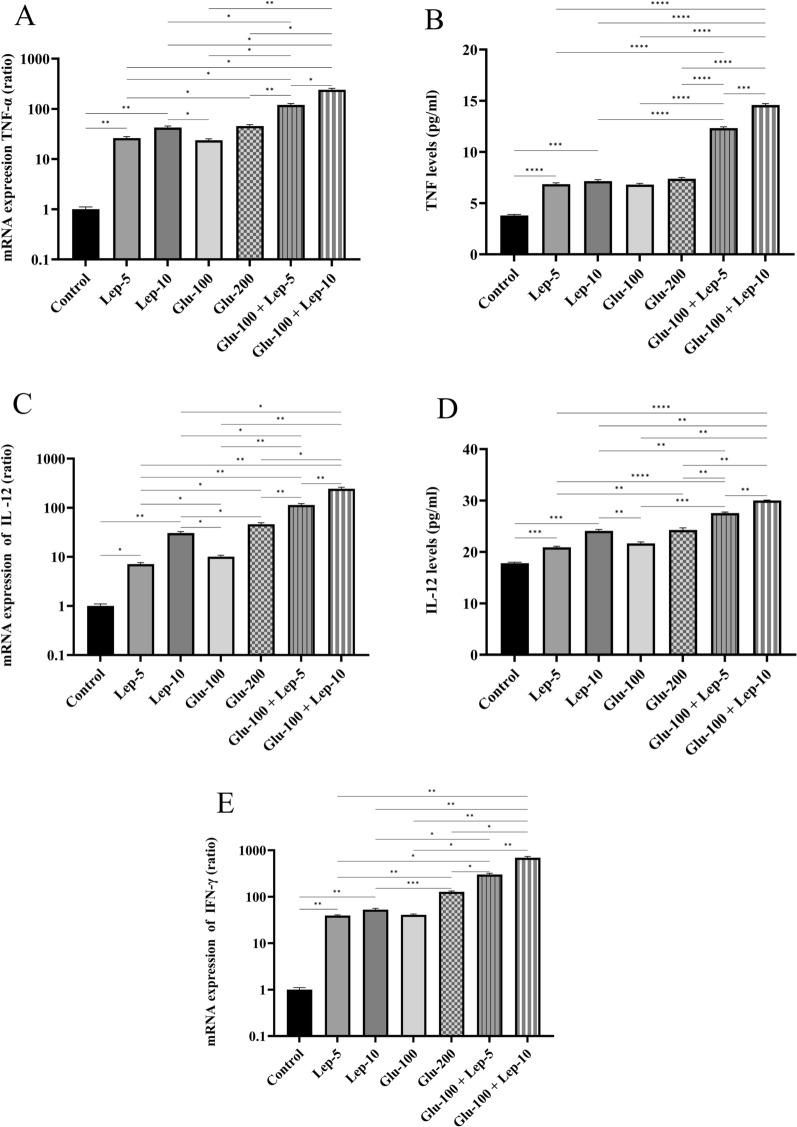
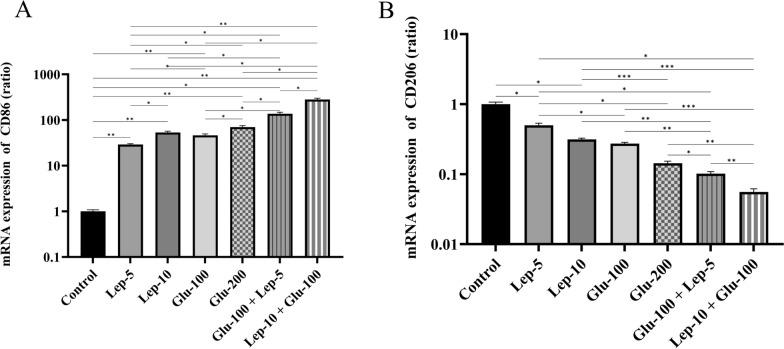
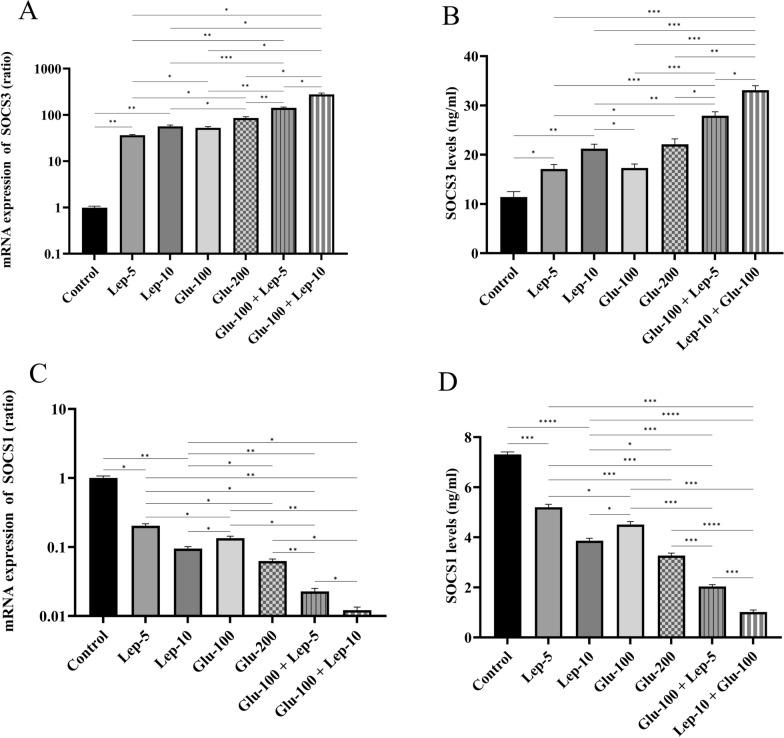
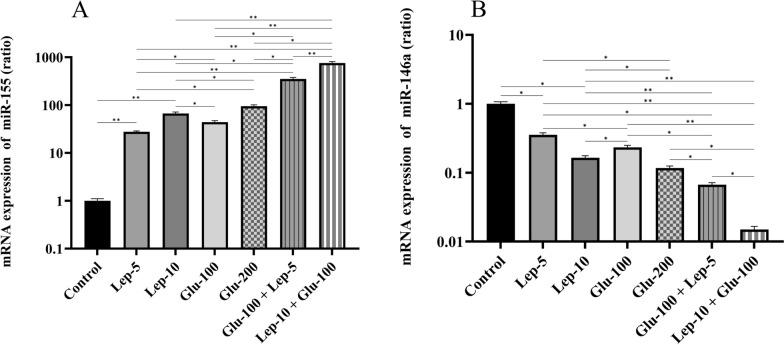
Both leptin doses significantly increased the expression of M1-associated markers (CD86, iNOS, SOCS3, miR-155) and pro-inflammatory cytokines (TNF-α, IL-12, IFN-γ) while decreasing M2-associated markers (CD206, ARG1, SOCS1, miR-146a) and anti-inflammatory cytokines (IL-4, IL-10, TGF-β). The leptin-glucantime combinations showed synergistic effects, shifting macrophage polarization toward the M1 phenotype more than either treatment alone. In particular, the combination of 10 ng/ml leptin with 100 μg/ml glucantime completely eliminated intracellular amastigotes and showed a superior selectivity index (17.66) compared to mono-treatment (leptin: 7.88; glucantime: 6.87).
CONCLUSIONS
The findings indicate that leptin enhances the efficacy of glucantime against L. tropica by promoting M1 macrophage polarization. This presents a potential therapeutic approach that may lower conventional drug doses and associated toxicity while preserving or even improving treatment outcomes.
背景
巨噬细胞是利什曼原虫感染过程中的重要免疫细胞,因为它们向M1/M2表型的极化决定了疾病的结局。本研究旨在探讨瘦素单独及与葡糖胺联合使用对热带利什曼原虫感染中巨噬细胞极化的调节作用。
方法
用瘦素(5或10 ng/ml)、葡糖胺(100或200 μg/ml)或它们的组合处理感染热带利什曼原虫的人THP-1来源的巨噬细胞。使用标准方法评估细胞毒性作用、寄生虫存活、活性氧(ROS)、一氧化氮(NO)生成以及M1/M2巨噬细胞相关参数的表达。
结果
两种剂量的瘦素均显著增加M1相关标志物(CD86、诱导型一氧化氮合酶、细胞因子信号转导抑制因子3、miR-155)和促炎细胞因子(肿瘤坏死因子-α、白细胞介素-12、干扰素-γ)的表达,同时降低M2相关标志物(CD206、精氨酸酶1、细胞因子信号转导抑制因子1、miR-146a)和抗炎细胞因子(白细胞介素-4、白细胞介素-10、转化生长因子-β)。瘦素-葡糖胺组合显示出协同作用,使巨噬细胞极化向M1表型的转变比单独任何一种处理都更明显。特别是,10 ng/ml瘦素与100 μg/ml葡糖胺的组合完全消除了细胞内无鞭毛体,并且与单一处理相比显示出更高的选择性指数(17.66)(瘦素:7.88;葡糖胺:6.87)。
结论
研究结果表明,瘦素通过促进M1巨噬细胞极化增强了葡糖胺对热带利什曼原虫的疗效。这提出了一种潜在的治疗方法,可能降低传统药物剂量和相关毒性,同时保持甚至改善治疗效果。


 Zotero 插件