
绘制全球影响蛇毒抗毒素可及性、可得性和管理的法规相关证据:一项范围综述
Mapping Evidence on the Regulations Affecting the Accessibility, Availability, and Management of Snake Antivenom Globally: A Scoping Review.
作者信息
Majeed Ramsha, Bester Janette, Kgarosi Kabelo, Strydom Morné
机构信息
Department of Pharmacology, School of Medicine, Faculty of Health Sciences, University of Pretoria, Pretoria 0002, South Africa.
Department of Physiology, School of Medicine, Faculty of Health Sciences, University of Pretoria, Pretoria 0002, South Africa.
出版信息
Trop Med Infect Dis. 2025 Aug 14;10(8):228. doi: 10.3390/tropicalmed10080228.
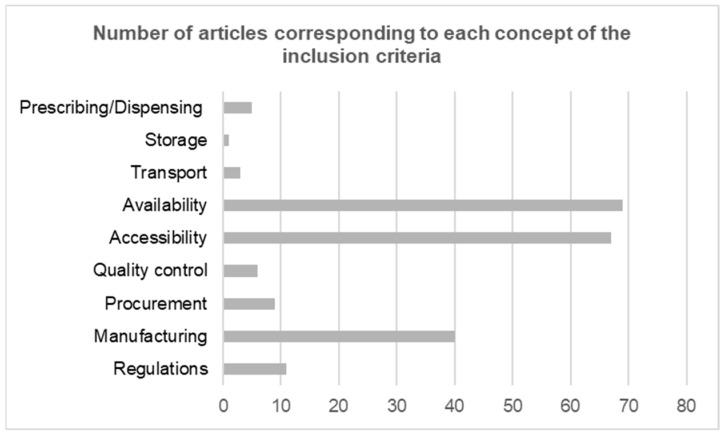
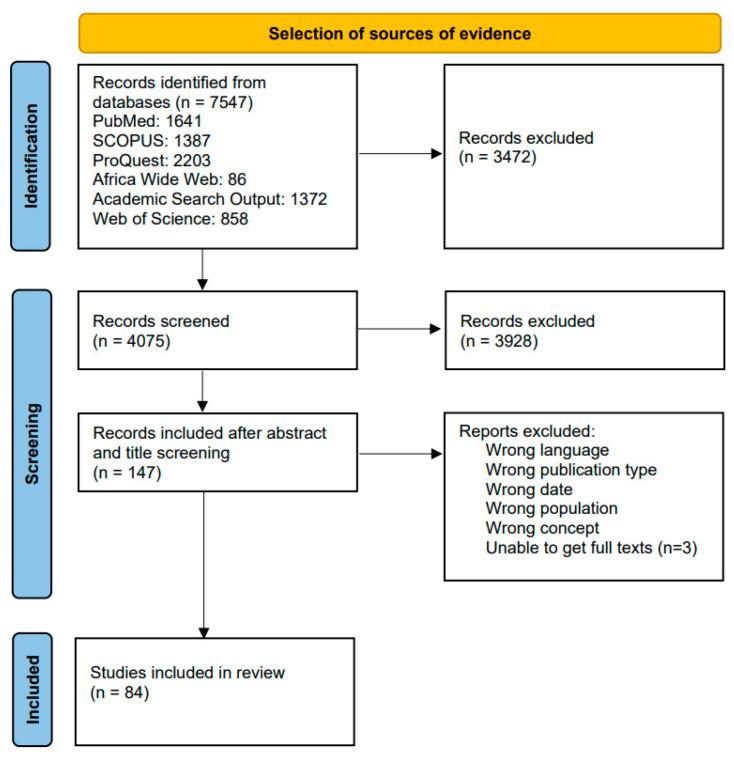
The World Health Organization (WHO) declared snakebite envenoming (SBE) as a neglected tropical disease in 2017. Antivenom is the gold standard of treatment, but many healthcare barriers exist, and hence, affected populations are often unable to access it. The challenge is further perpetuated by the lack of attention from national health authorities, poor regulatory systems and policies, and mismanagement of antivenom. This study aims to map the evidence regarding snake antivenom regulations globally and identify gaps in the literature to inform future research and policy. This review was conducted using the original Arksey and O'Malley framework by three independent reviewers, and the results were reported using the Preferred Reporting Items for Systematic reviews and Meta-Analysis Extension for Scoping Reviews (PRISMA-ScR). A search strategy was developed with assistance from a librarian, and six databases were searched: PubMed, SCOPUS, ProQuest Central, Africa Wide Web, Academic Search Output, and Web of Science. Screening was conducted independently by the reviewers, using Rayyan, and conflicts were resolved with discussions. A total of 84 articles were included for data extraction. The major themes that emerged from the included studies were regarding antivenom availability, accessibility, manufacturing, and regulations. The study revealed massive gaps in terms of policies governing antivenom management, especially in Asia and Africa. The literature does not offer sufficient evidence on management guidelines for antivenom in the endemic regions, despite identifying the challenges in supply. However, significant information from Latin America revealed self-sufficient production, involvement of national health bodies in establishing efficient regulations, effective distribution nationally and regionally, and technology sharing to reduce SBE-related mortality.
世界卫生组织(WHO)于2017年宣布蛇咬伤中毒(SBE)为一种被忽视的热带病。抗蛇毒血清是治疗的金标准,但存在许多医疗保健障碍,因此,受影响人群往往无法获得它。国家卫生当局缺乏关注、监管体系和政策不完善以及抗蛇毒血清管理不善,使这一挑战进一步恶化。本研究旨在梳理全球范围内关于蛇抗毒血清监管的证据,并找出文献中的差距,为未来的研究和政策提供参考。本综述由三名独立审稿人使用最初的阿克西和奥马利框架进行,并使用系统评价和Meta分析扩展的范围综述首选报告项目(PRISMA-ScR)报告结果。在一名图书馆员的协助下制定了搜索策略,并搜索了六个数据库:PubMed、SCOPUS、ProQuest Central、非洲万维网、学术搜索输出和科学网。审稿人使用Rayyan独立进行筛选,并通过讨论解决冲突。总共纳入84篇文章进行数据提取。纳入研究中出现的主要主题涉及抗蛇毒血清的可获得性、可及性、生产和监管。该研究揭示了在抗蛇毒血清管理政策方面存在巨大差距,尤其是在亚洲和非洲。尽管确定了供应方面的挑战,但文献中没有提供关于流行地区抗蛇毒血清管理指南的充分证据。然而,来自拉丁美洲的大量信息显示其能够自给自足生产、国家卫生机构参与建立有效监管、在全国和区域有效分发以及通过技术共享来降低与蛇咬伤中毒相关的死亡率。


 Zotero 插件