
情绪脑发育:从胎儿期到幼儿期的神经生物学指标
Emotional Brain Development: Neurobiological Indicators from Fetus Through Toddlerhood.
作者信息
Leisman Gerry, Alfasi Rahela, D'Angiulli Amedeo
机构信息
Movement and Cognition Laboratory, Department of Physical Therapy, University of Haifa, Haifa 3498838, Israel.
Resonance Therapeutics Laboratory, Department of Neurology, University of the Medical Sciences of Havana, Havana 11600, Cuba.
出版信息
Brain Sci. 2025 Aug 8;15(8):846. doi: 10.3390/brainsci15080846.
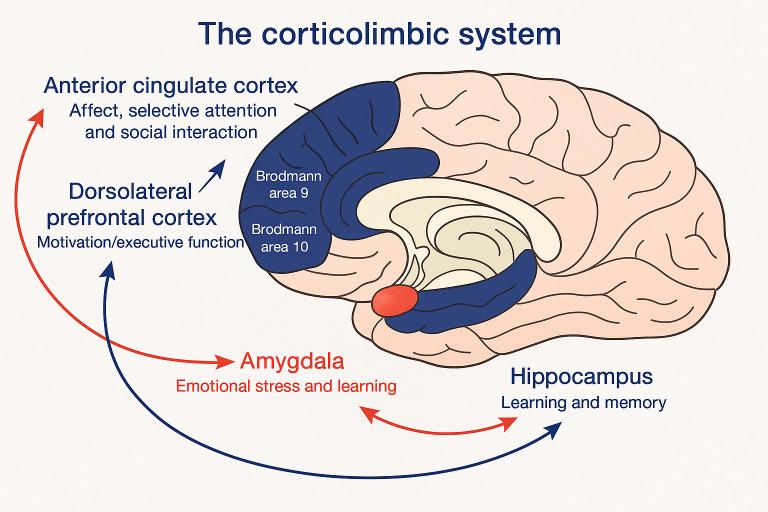
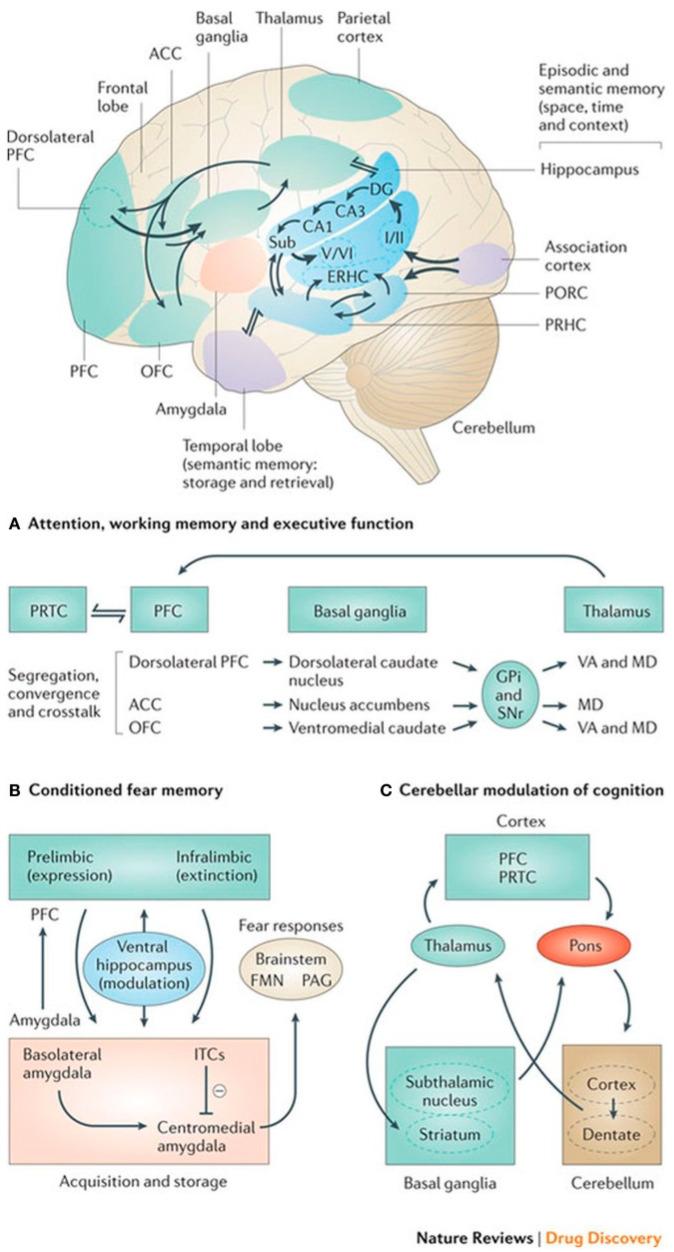
The maturation of brain regions involved in emotion regulation-particularly the amygdala and prefrontal cortex-from fetal life to age two is a dynamic process shaped by genetic and environmental factors. Early experiences, especially responsive caregiving, promote the growth of neural circuits supporting emotional expression and regulation. In contrast, early adversity such as neglect or chronic stress may disrupt these circuits and increase vulnerability to emotional difficulties. Elevated levels of placental CRH are linked to alterations in fetal brain development related to emotion. Neurodevelopmental processes like synaptic pruning and myelination, active during the first years, further shape emotional circuitry. These findings underscore the importance of early caregiving and timely interventions in fostering healthy emotional development. The present article proposes an integrative conceptual framework for early emotional and cognitive development, combining neurobiological models with contemporary theories in developmental psychology.
从胎儿期到两岁,参与情绪调节的脑区(尤其是杏仁核和前额叶皮质)的成熟是一个由遗传和环境因素塑造的动态过程。早期经历,尤其是敏感的照料,会促进支持情绪表达和调节的神经回路的生长。相比之下,早期的逆境,如忽视或慢性应激,可能会扰乱这些回路,并增加出现情绪问题的易感性。胎盘促肾上腺皮质激素释放激素(CRH)水平升高与胎儿大脑中与情绪相关的发育变化有关。在生命的最初几年活跃的神经发育过程,如突触修剪和髓鞘形成,进一步塑造了情绪回路。这些发现强调了早期照料和及时干预对促进健康情绪发展的重要性。本文提出了一个早期情绪和认知发展的综合概念框架,将神经生物学模型与发展心理学的当代理论相结合。

 Zotero 插件