
用于生态系统中抗生素残留的基于漆酶的可持续、靶向且具有成本效益的生物修复技术:综述
Sustainable, Targeted, and Cost-Effective Laccase-Based Bioremediation Technologies for Antibiotic Residues in the Ecosystem: A Comprehensive Review.
作者信息
Ezra Rinat, Vanti Gulamnabi, Masaphy Segula
机构信息
Chelmsford Campus, Anglia Ruskin University, Bishop Hall Lane, Chelmsford CM1 1SQ, UK.
Rambam Health Care Campus (Medical Center), Haifa 3109601, Israel.
出版信息
Biomolecules. 2025 Aug 7;15(8):1138. doi: 10.3390/biom15081138.
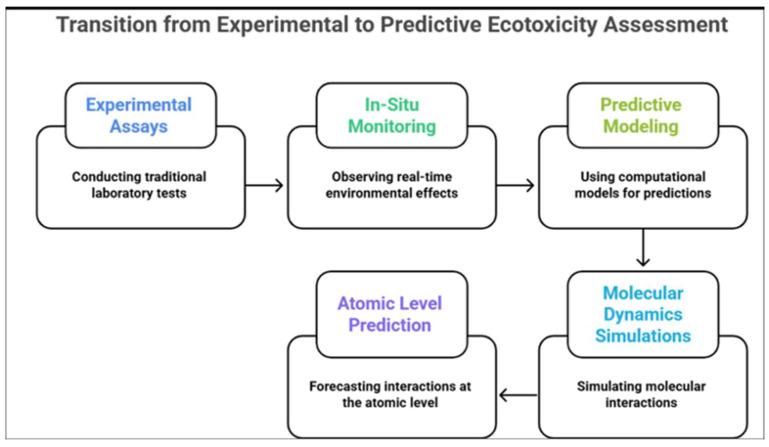
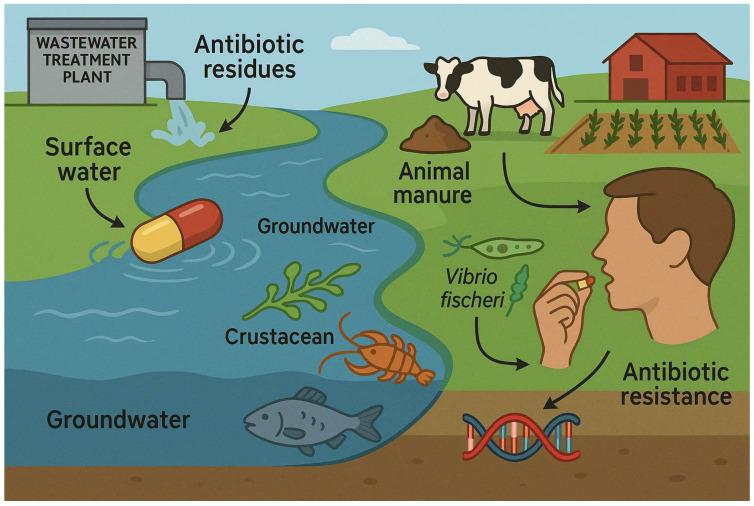
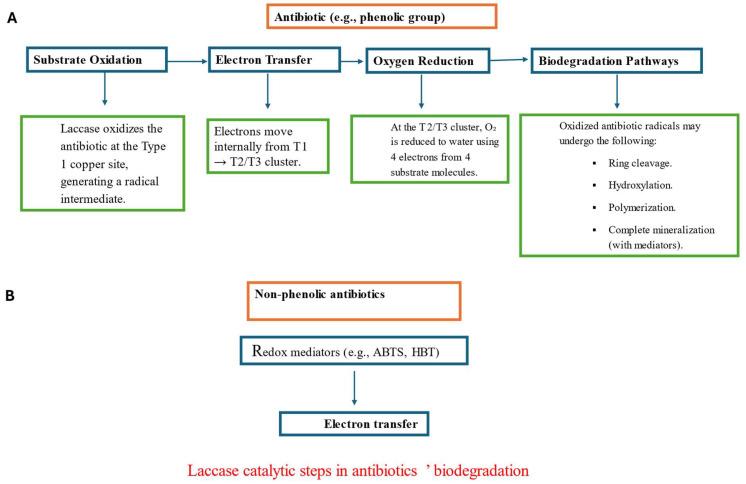
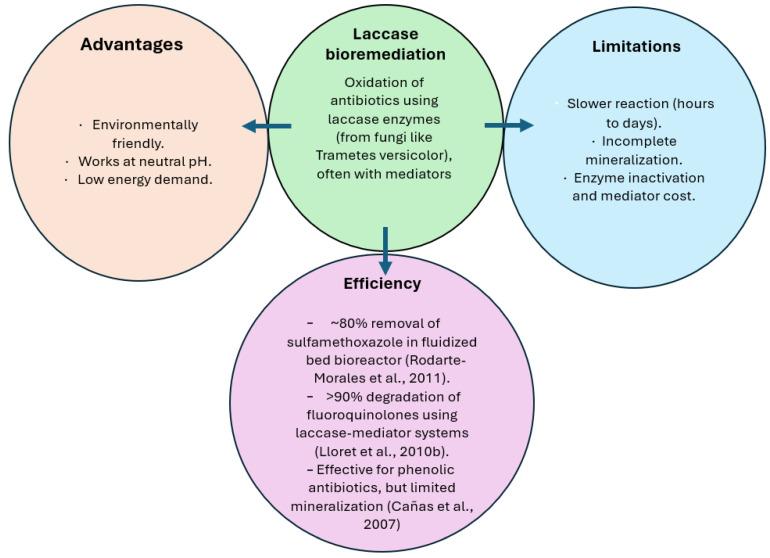
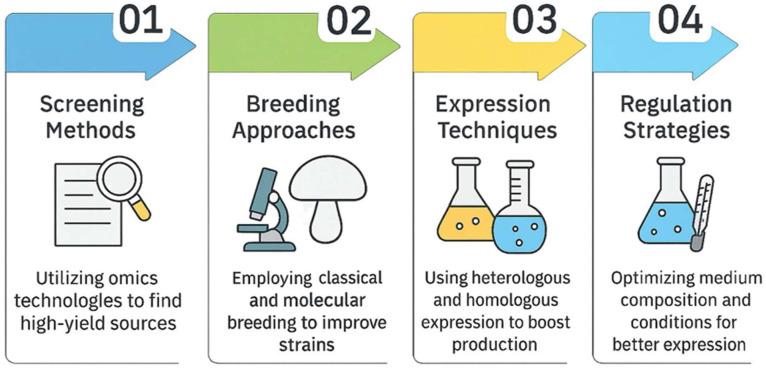
Widespread antibiotic residues are accumulating in the environment, potentially causing adverse effects for humans, animals, and the ecosystem, including an increase in antibiotic-resistant bacteria, resulting in worldwide concern. There are various commonly used physical, chemical, and biological treatments for the degradation of antibiotics. However, the elimination of toxic end products generated by physicochemical methods and the need for industrial applications pose significant challenges. Hence, environmentally sustainable, green, and readily available approaches for the transformation and degradation of these antibiotic compounds are being sought. Herein, we review the impact of sustainable fungal laccase-based bioremediation strategies. Fungal laccase enzyme is considered one of the most active enzymes for biotransformation and biodegradation of antibiotic residue in vitro. For industrial applications, the low laccase yields in natural and genetically modified hosts may constitute a bottleneck. Methods to screen for high-laccase-producing sources, optimizing cultivation conditions, and identifying key genes and metabolites involved in extracellular laccase activity are reviewed. These include advanced transcriptomics, proteomics, and metagenomics technologies, as well as diverse laccase-immobilization technologies with different inert carrier/support materials improving enzyme performance whilst shifting from experimental assays to in situ monitoring of residual toxicity. Still, more basic and applied research on laccase-mediated bioremediation of pharmaceuticals, especially antibiotics that are recalcitrant and prevalent, is needed.
环境中广泛存在抗生素残留,这可能会对人类、动物和生态系统造成不良影响,包括导致抗生素耐药菌增加,引发了全球关注。目前有多种常用的物理、化学和生物方法用于抗生素的降解。然而,消除物理化学方法产生的有毒终产物以及工业应用的需求带来了重大挑战。因此,人们正在寻找环境可持续、绿色且易于获得的方法来转化和降解这些抗生素化合物。在此,我们综述了基于真菌漆酶的可持续生物修复策略的影响。真菌漆酶被认为是体外生物转化和生物降解抗生素残留最活跃的酶之一。对于工业应用而言,天然宿主和基因改造宿主中漆酶产量较低可能构成瓶颈。本文综述了筛选高产漆酶来源、优化培养条件以及鉴定参与细胞外漆酶活性的关键基因和代谢产物的方法。这些方法包括先进的转录组学、蛋白质组学和宏基因组学技术,以及使用不同惰性载体/支撑材料的多种漆酶固定化技术,这些技术在从实验分析转向原位监测残留毒性的过程中提高了酶的性能。尽管如此,仍需要对漆酶介导的药物生物修复,尤其是对顽固且普遍存在的抗生素进行更多的基础和应用研究。
 Zotero 插件