
缺氧诱导因子-1α在糖尿病所致睾丸损伤中的作用及调控
Contribution and Regulation of HIF-1α in Testicular Injury Induced by Diabetes Mellitus.
作者信息
Wang Defan, Zhang Zhenghong, Xu Renfeng, Wang Zhengchao
机构信息
Fujian Provincial Key Laboratory of Reproductive Health Research, School of Medicine, Xiamen University, Xiamen 361102, China.
Provincial Key Laboratory for Developmental Biology and Neurosciences, College of Life Sciences, Fujian Normal University, Fuzhou 350007, China.
出版信息
Biomolecules. 2025 Aug 19;15(8):1190. doi: 10.3390/biom15081190.
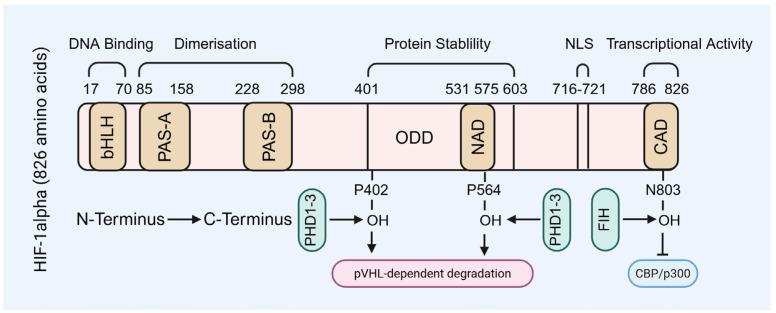
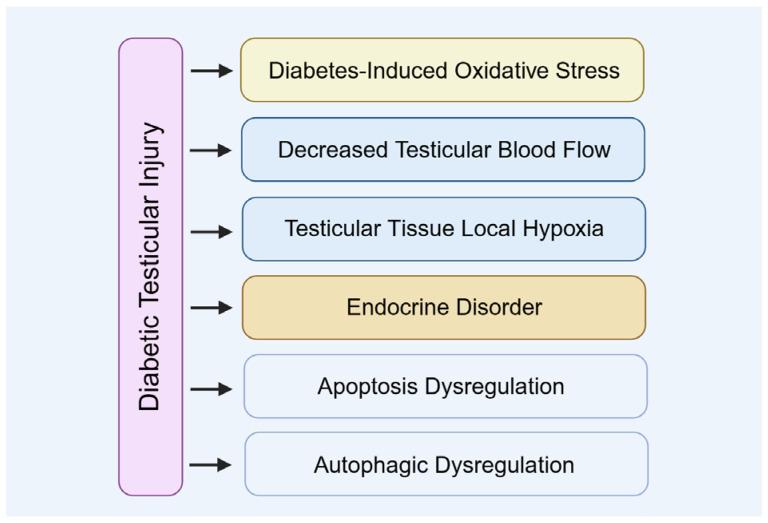
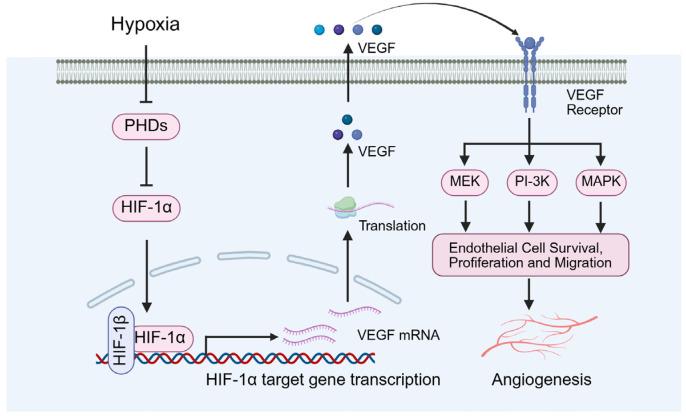
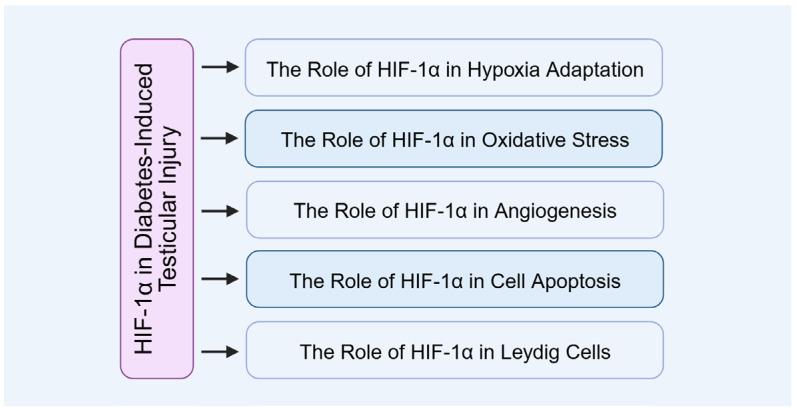
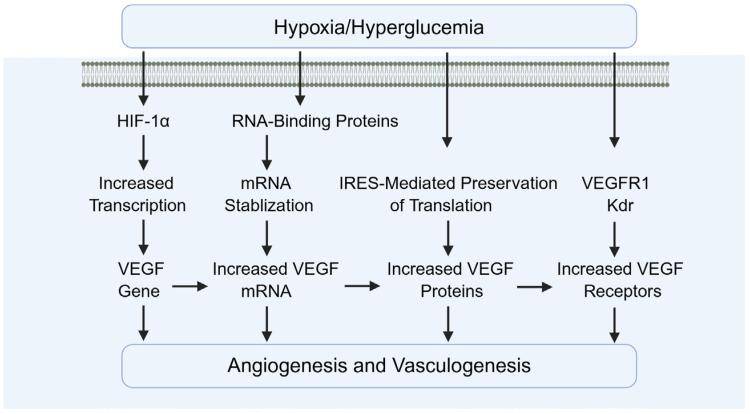
Diabetes mellitus, as a metabolic disorder, has received growing attention for its detrimental effects on the male reproductive system (particularly the testes) manifesting as increased oxidative stress, reduced blood perfusion, heightened inflammation, and germ cell apoptosis under hyperglycemic conditions. Hypoxia-inducible factor (HIF)-1α, a pivotal transcription factor in cellular hypoxia responses, plays a crucial role in regulating metabolism, angiogenesis, and apoptosis. Emerging evidence underscores its significant physiological and pathological roles in diabetic testicular injury. This review outlines the structural domains, activation mechanisms, and key target genes of HIF-1α, and further examines its involvement in diabetes-induced oxidative stress, impaired perfusion, endocrine dysregulation, and the imbalance of apoptosis and autophagy in testicular tissue. Notably, HIF-1α exerts protective effects by activating canonical signaling pathways such as phosphoinositide-3 kinase (PI-3K)/protein kinase B (Akt), mitogen-activated protein kinase (MAPK)/extracellular signal-regulated kinase (ERK), and nuclear factor (NF)-κB, thereby enhancing antioxidant gene expression, promoting angiogenesis, and upregulating anti-apoptotic proteins. Furthermore, HIF-1α may help stabilize androgen levels by preserving Leydig cell function, potentially alleviating diabetes-associated gonadal dysfunction. This review also discusses the feasibility of targeting HIF-1α as a novel therapeutic strategy. In conclusion, a comprehensive understanding of HIF-1α's mechanistic role in diabetic testicular damage provides valuable insights into the pathogenesis of diabetes-related reproductive disorders and offers new avenues for therapeutic intervention.
糖尿病作为一种代谢紊乱疾病,因其在高血糖条件下对男性生殖系统(尤其是睾丸)产生的有害影响而受到越来越多的关注,这些影响表现为氧化应激增加、血液灌注减少、炎症加剧和生殖细胞凋亡。缺氧诱导因子(HIF)-1α是细胞缺氧反应中的关键转录因子,在调节代谢、血管生成和细胞凋亡中起关键作用。新出现的证据强调了其在糖尿病性睾丸损伤中的重要生理和病理作用。本综述概述了HIF-1α的结构域、激活机制和关键靶基因,并进一步研究了其在糖尿病诱导的氧化应激、灌注受损、内分泌失调以及睾丸组织中细胞凋亡和自噬失衡中的作用。值得注意的是,HIF-1α通过激活磷酸肌醇-3激酶(PI-3K)/蛋白激酶B(Akt)、丝裂原活化蛋白激酶(MAPK)/细胞外信号调节激酶(ERK)和核因子(NF)-κB等经典信号通路发挥保护作用,从而增强抗氧化基因表达、促进血管生成并上调抗凋亡蛋白。此外,HIF-1α可能通过维持睾丸间质细胞功能来帮助稳定雄激素水平,从而可能减轻糖尿病相关的性腺功能障碍。本综述还讨论了将HIF-1α作为一种新型治疗策略的可行性。总之,全面了解HIF-1α在糖尿病性睾丸损伤中的机制作用,为深入了解糖尿病相关生殖障碍的发病机制提供了有价值的见解,并为治疗干预提供了新途径。









 Zotero 插件