
大鼠结肠中miRNA的每日表达谱及其与结直肠癌可能关系的计算机分析
Daily Profile of miRNAs in the Rat Colon and In Silico Analysis of Their Possible Relationship to Colorectal Cancer.
作者信息
Herichová Iveta, Vanátová Denisa, Reis Richard, Stebelová Katarína, Olexová Lucia, Morová Martina, Ghosh Adhideb, Baláž Miroslav, Štefánik Peter, Kršková Lucia
机构信息
Department of Animal Physiology and Ethology, Faculty of Natural Sciences, Comenius University in Bratislava, 842 15 Bratislava, Slovakia.
First Surgery Department, University Hospital, Comenius University in Bratislava, 811 07 Bratislava, Slovakia.
出版信息
Biomedicines. 2025 Jul 31;13(8):1865. doi: 10.3390/biomedicines13081865.
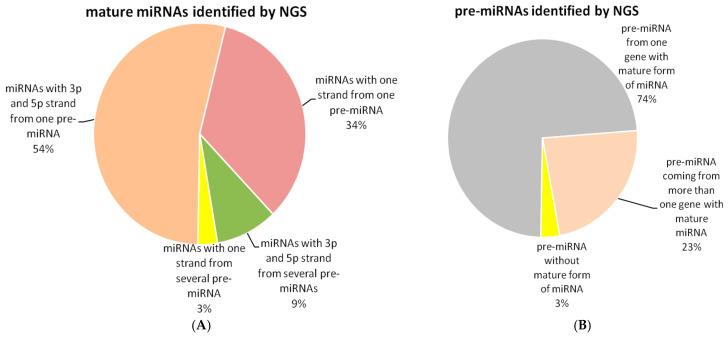
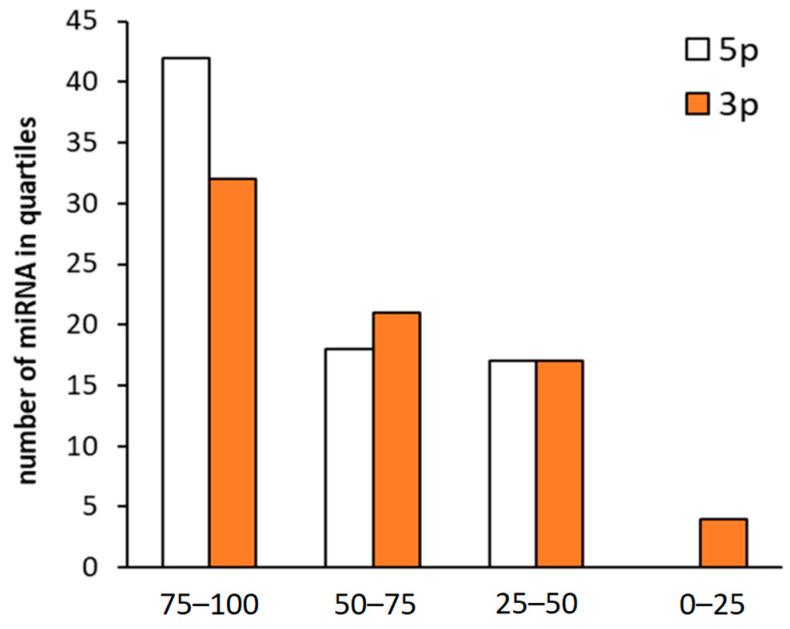
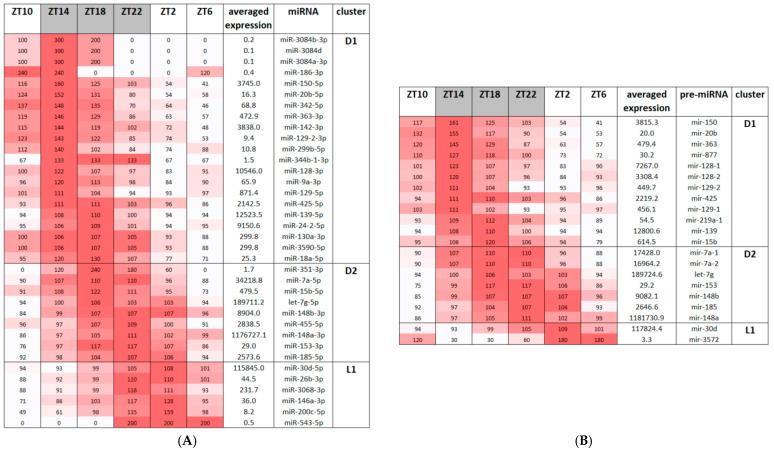
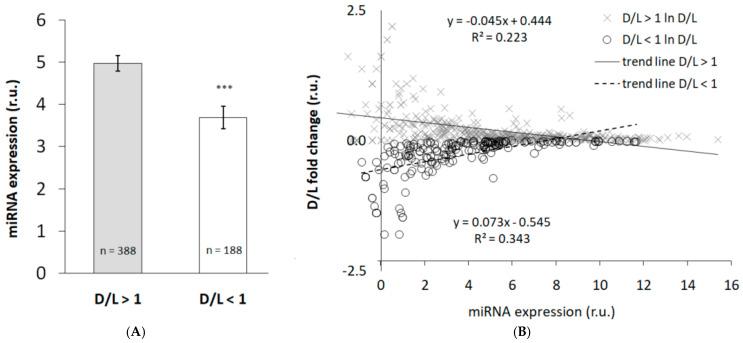
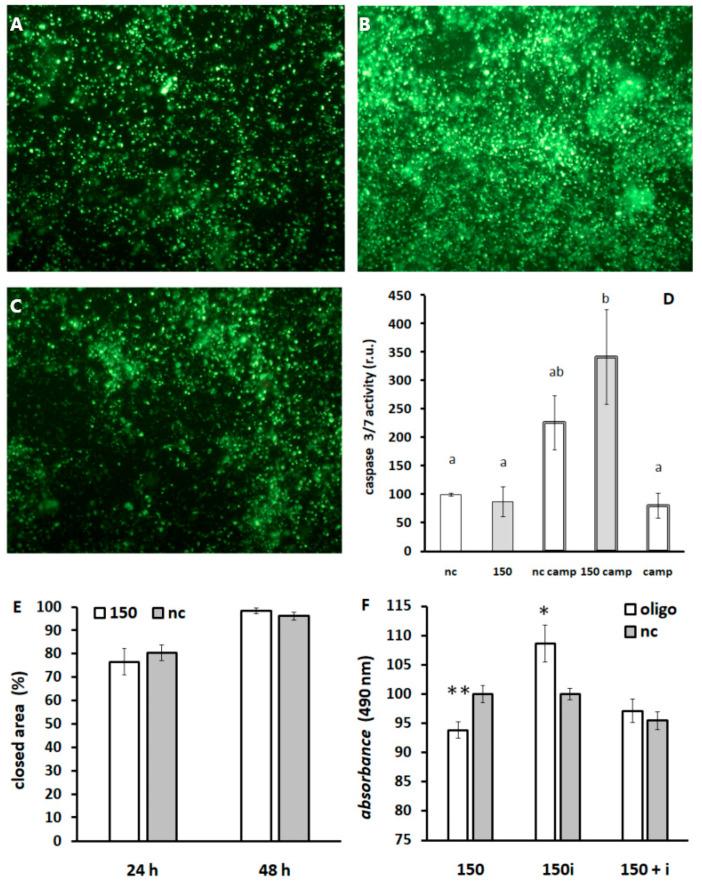
Colorectal cancer (CRC) is strongly influenced by miRNAs as well as the circadian system. High-throughput sequencing of miRNAs expressed in the rat colon during 24 h light (L)/dark (D) cycle was performed to identify rhythmically expressed miRNAs. The role of miR-150-5p in CRC progression was analyzed in DLD1 cell line and human CRC tissues. Nearly 10% of mature miRNAs showed a daily rhythm in expression. A peak of miRNAs' levels was in most cases observed during the first half of the D phase of the LD cycle. The highest amplitude was detected in expression of miR-150-5p and miR-142-3p. In the L phase of the LD cycle, the maximum in miR-30d-5p expression was detected. Gene ontology enrichment analysis revealed that genes interfering with miRNAs with peak expression during the D phase influence apoptosis, angiogenesis, the immune system, and EGF and TGF-beta signaling. Rhythm in miR-150-5p, miR-142-3p, and miR-30d-5p expression was confirmed by real-time PCR. Oncogenes and and clock gene were identified as miR-150-5p targets. miR-150-5p administration promoted camptothecin-induced apoptosis. Expression of showed a rhythmic profile in DLD1 cells with inverted acrophase with respect to miR-150-5p. miR-150-5p was decreased in cancer compared to adjacent tissue in CRC patients. Decrease in miR-150-5p was age dependent. Older patients with lower expression of miR-150-5p and higher expression of showed worse survival in comparison with younger patients. miRNA signaling differs between the L and D phases of the LD cycle. miR-150-5p, targeting , , and , can influence CRC progression in a phase-dependent manner.
结直肠癌(CRC)受到微小RNA(miRNA)以及昼夜节律系统的强烈影响。为了鉴定有节律表达的miRNA,我们对大鼠结肠在24小时光照(L)/黑暗(D)周期中表达的miRNA进行了高通量测序。在DLD1细胞系和人CRC组织中分析了miR-150-5p在CRC进展中的作用。近10%的成熟miRNA表现出每日表达节律。在大多数情况下,miRNA水平的峰值出现在LD周期D期的前半段。miR-150-5p和miR-142-3p的表达检测到最高振幅。在LD周期的L期,检测到miR-30d-5p表达的最大值。基因本体富集分析表明,干扰在D期有峰值表达的miRNA的基因影响细胞凋亡、血管生成、免疫系统以及EGF和TGF-β信号传导。通过实时PCR证实了miR-150-5p、miR-142-3p和miR-30d-5p表达的节律。癌基因以及时钟基因被鉴定为miR-150-5p的靶标。给予miR-150-5p可促进喜树碱诱导的细胞凋亡。在DLD1细胞中,的表达呈现出与miR-150-5p相反的峰相位的节律性特征。与CRC患者的癌旁组织相比,癌组织中miR-150-5p表达降低。miR-150-5p的降低与年龄有关。与年轻患者相比,miR-150-5p表达较低且表达较高的老年患者生存率较差。在LD周期的L期和D期之间,miRNA信号传导存在差异。靶向、和的miR-150-5p可通过依赖相位的方式影响CRC进展。





 Zotero 插件