
儿科患者连续血糖监测系统的卫生技术评估
Health Technology Assessment of Continuous Glucose Monitoring Systems for Paediatric Patients.
作者信息
Andellini Martina, Schiaffini Riccardo, Angelini Massimiliano, Pecchia Leandro, Ritrovato Matteo
机构信息
School of Engineering, University of Warwick, Coventry CV4 7AL, UK.
Bambino Gesù Children's Hospital IRCCS, 00163 Rome, Italy.
出版信息
Children (Basel). 2025 Aug 19;12(8):1088. doi: 10.3390/children12081088.
OBJECTIVES
Type1 diabetes (T1D) is one of the most common chronic diseases in pediatric age. Continuous glucose monitoring (CGM) has been shown to improve glycaemic control in adults compared to self-monitoring of blood glucose (SMBG); however, evidence about its use in the pediatric field is limited and fragmented and needs to be improved. This paper aims to address all the critical aspects linked to the use of CGM in a pediatric population while also describing a methodology for conducting health technology assessment (HTA) to support the decision-making process.
METHODS
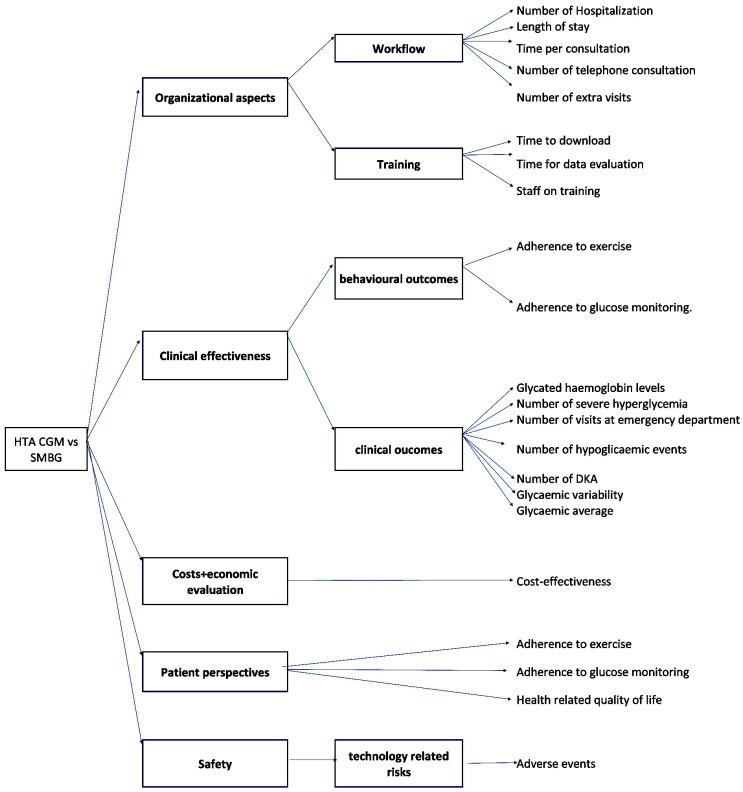
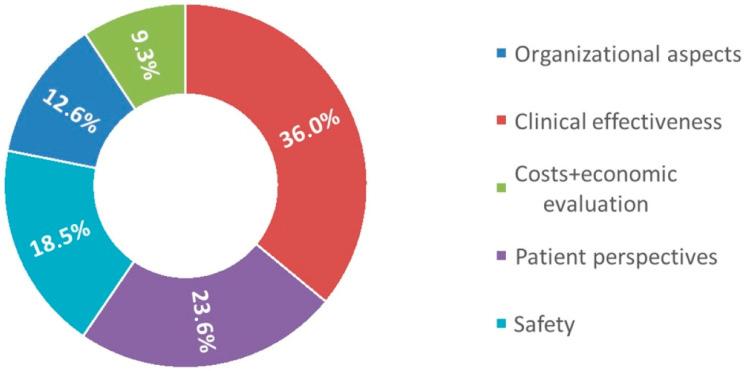
The use of CGM and SMBG in a pediatric population was compared by using a decision-making support tool (DoHTA method). Twenty-seven Key Performance Indicators (KPIs) were identified, defining safety, clinical effectiveness, organizational, patient perspective, and economic aspects. Performance scores for both monitoring systems were assessed based on these KPIs, leading to a final comparative ranking.
RESULTS
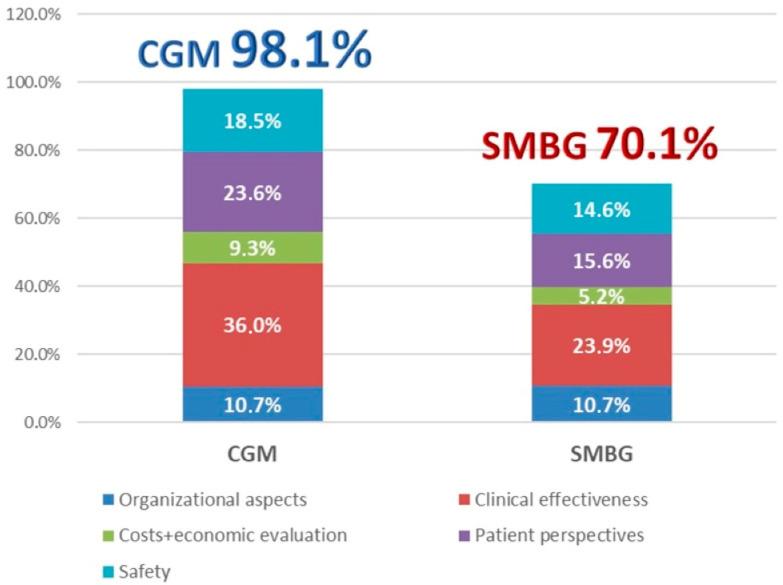
CGM demonstrated a 29.3% performance advantage over SMBG, highlighting its benefits in terms of clinical effectiveness, patient perspectives, safety, and economic evaluation. No substantial differences were identified in terms of organizational aspects.
CONCLUSIONS
This study critically evaluates the benefits and drawbacks of the use of CGM in a pediatric population. It integrates the assessment of the clinical effectiveness with the organizational aspects, the cost, the patient perspective, and the safety, providing a valuable proof of evidence as well as a reliable and transferable method for conducting decision-making processes in a hospital setting.
目的
1型糖尿病(T1D)是儿童期最常见的慢性病之一。与自我血糖监测(SMBG)相比,持续葡萄糖监测(CGM)已被证明可改善成人的血糖控制;然而,其在儿科领域应用的证据有限且零散,需要改进。本文旨在探讨与在儿科人群中使用CGM相关的所有关键方面,同时描述一种进行卫生技术评估(HTA)以支持决策过程的方法。
方法
使用决策支持工具(DoHTA方法)比较CGM和SMBG在儿科人群中的使用情况。确定了27个关键绩效指标(KPI),定义了安全性、临床有效性、组织、患者视角和经济方面。基于这些KPI评估两种监测系统的绩效得分,得出最终的比较排名。
结果
CGM显示出比SMBG高29.3%的绩效优势,突出了其在临床有效性、患者视角、安全性和经济评估方面的益处。在组织方面未发现实质性差异。
结论
本研究严格评估了在儿科人群中使用CGM的利弊。它将临床有效性评估与组织方面、成本、患者视角和安全性相结合,为医院环境中的决策过程提供了有价值的证据证明以及可靠且可转移的方法。
 Zotero 插件