
通过不同物理改性策略制备难溶性药物的新策略,重点关注口服应用。
Novel Strategies for the Formulation of Poorly Water-Soluble Drug Substances by Different Physical Modification Strategies with a Focus on Peroral Applications.
作者信息
Quodbach Julian, Preis Eduard, Karkossa Frank, Winck Judith, Finke Jan Henrik, Steiner Denise
机构信息
Division of Pharmaceutics, Utrecht Institute of Pharmaceutical Sciences, Utrecht University, Universiteitsweg 99, 3484 CG Utrecht, The Netherlands.
Department of Pharmacy, Institute of Pharmaceutics and Biopharmaceutics, Philipps-Universität Marburg, Robert-Koch-Str. 4, 35037 Marburg, Germany.
出版信息
Pharmaceuticals (Basel). 2025 Jul 23;18(8):1089. doi: 10.3390/ph18081089.
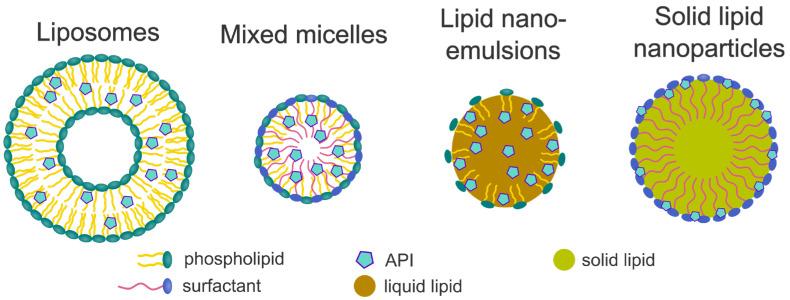
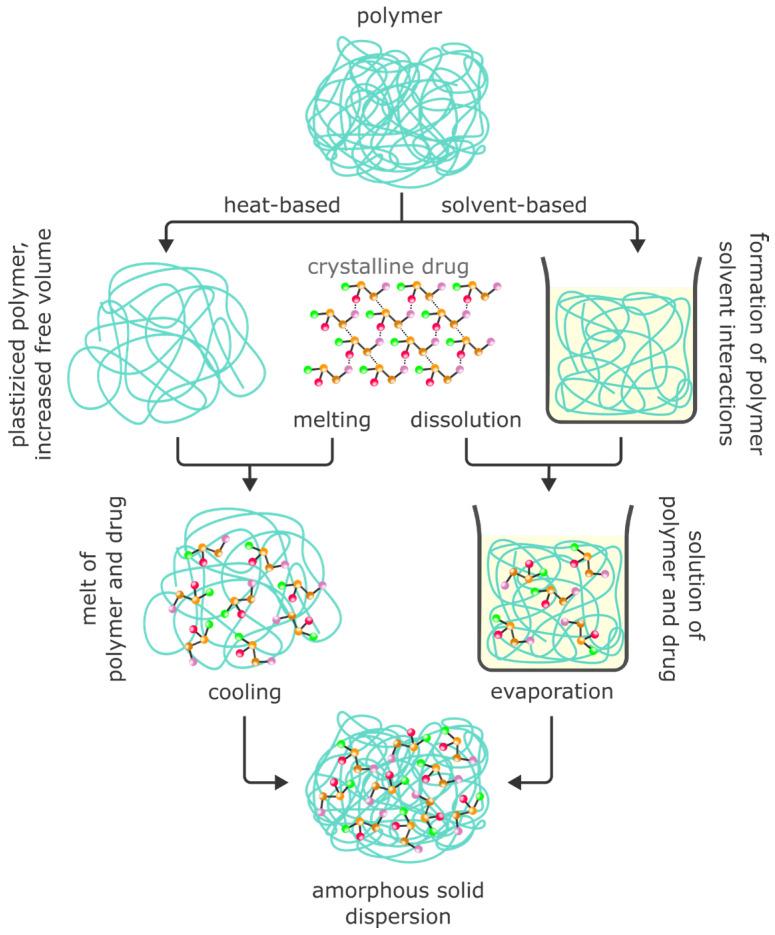
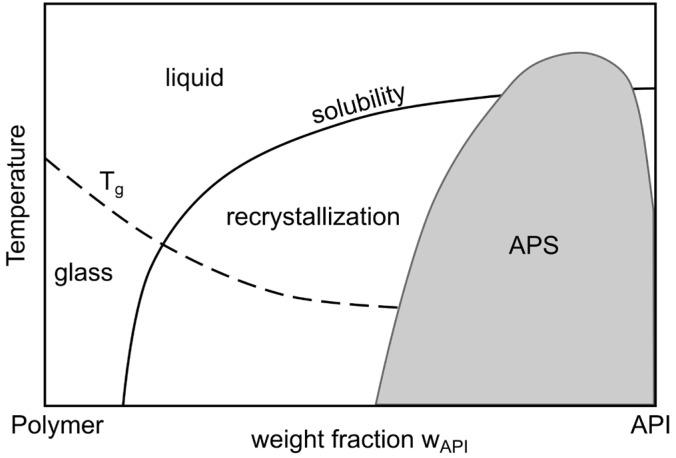
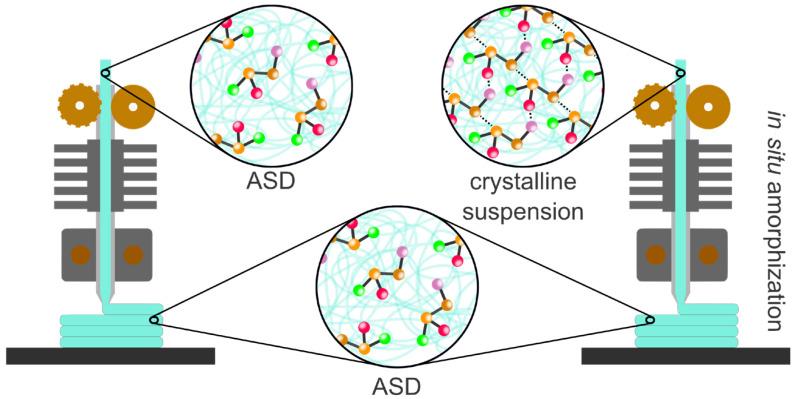
The number of newly developed substances with poor water solubility continually increases. Therefore, specialized formulation strategies are required to overcome the low bioavailability often associated with this property. This review provides an overview of novel physical modification strategies discussed in the literature over the past decades and focuses on oral dosage forms. A distinction is made between 'brick-dust' molecules, which are characterized by high melting points due to the solid-state properties of the substances, and 'grease-ball' molecules with high lipophilicity. In general, the discussed strategies are divided into the following three main categories: drug nanoparticles, solid dispersions, and lipid-based formulations.
新开发的水溶性差的物质数量不断增加。因此,需要专门的制剂策略来克服通常与此特性相关的低生物利用度问题。本文综述了过去几十年文献中讨论的新型物理改性策略,并重点关注口服剂型。根据物质的固态特性,将具有高熔点的“砖尘”分子与具有高亲脂性的“油球”分子区分开来。一般来说,所讨论的策略分为以下三大类:药物纳米颗粒、固体分散体和脂质体制剂。



 Zotero 插件