
利用定量系统药理学模型优化复发或难治性多发性骨髓瘤的埃拉纳单抗治疗方案。
Leveraging quantitative systems pharmacology modeling for elranatamab regimen optimization in relapsed or refractory multiple myeloma.
作者信息
Poels Kamrine E, Elmeliegy Mohamed, Hibma Jennifer, Wang Diane, Musante Cynthia J, Shtylla Blerta
机构信息
Pharmacometrics & Systems Pharmacology, Pfizer Research & Development, San Diego, CA, USA.
Clinical Pharmacology, Oncology Research and Development, Pfizer, San Diego, CA, USA.
出版信息
NPJ Syst Biol Appl. 2025 Sep 1;11(1):102. doi: 10.1038/s41540-025-00585-z.
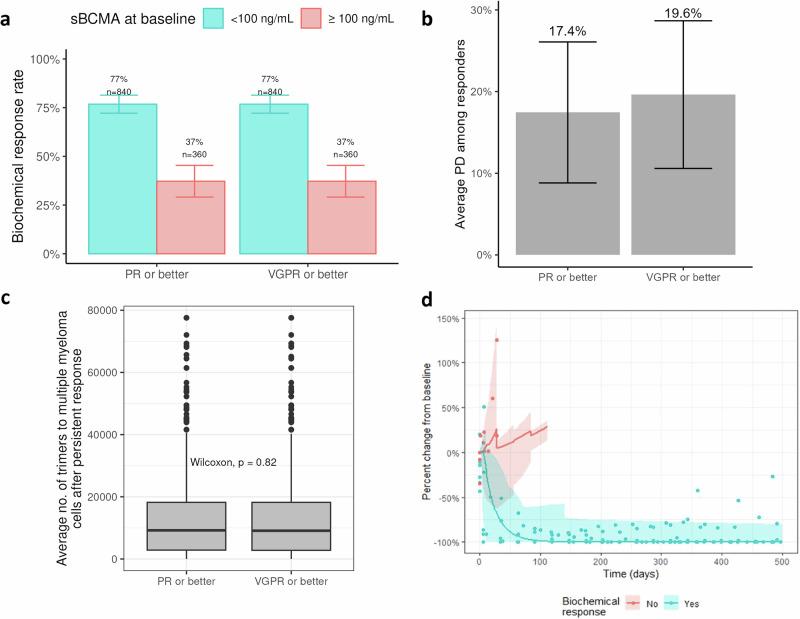
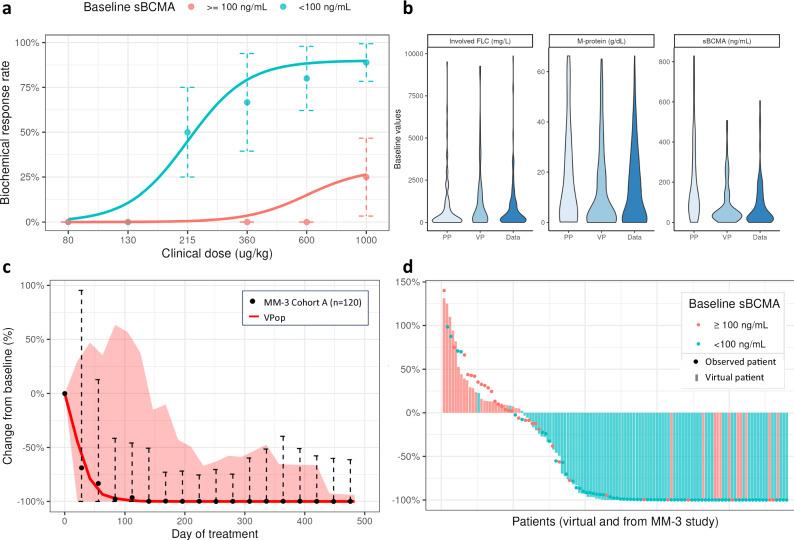
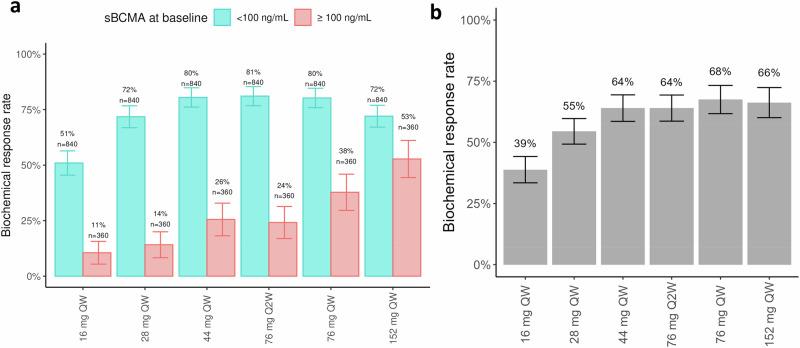
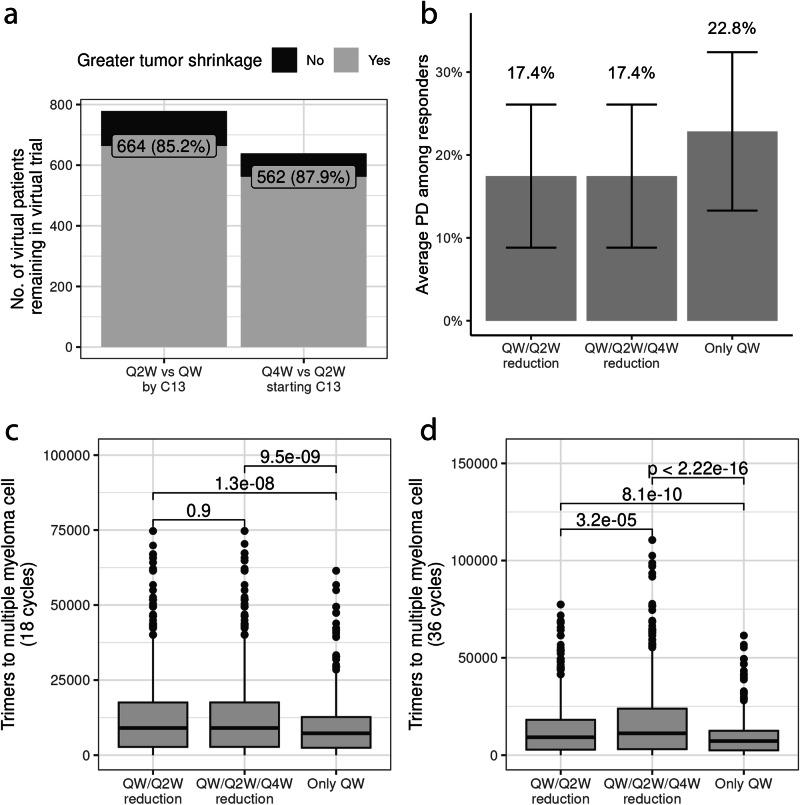
Elranatamab, an approved bispecific antibody (BsAb) for relapsed/refractory multiple myeloma, forms an immune synapse between the T-cell CD3 marker and B-cell maturation antigen (BCMA) on myeloma cells. Circulating soluble BCMA (sBCMA) is associated with disease burden and may reduce drug exposure, impacting efficacy. A quantitative systems pharmacology model that captures elranatamab's mechanism of action and disease dynamics was developed and calibrated to clinical datasets. Simulations explored model uncertainty and inter-patient variability with respect to biological, pharmacologic, and tumor-related components to inform clinical dose-response relationships and evaluate the effect of baseline sBCMA levels on dose and regimen. Model simulations supported 76 mg weekly as the optimal regimen, including in patients with high sBCMA. A left shift in the dose-response curve among virtual responders supported maintenance of efficacy with less frequent dosing. This work exemplifies how mechanistic models may support BsAb dose and regimen justification within the framework of model-informed drug development.
埃拉纳单抗是一种已获批用于复发/难治性多发性骨髓瘤的双特异性抗体(BsAb),它在T细胞CD3标志物与骨髓瘤细胞上的B细胞成熟抗原(BCMA)之间形成免疫突触。循环可溶性BCMA(sBCMA)与疾病负担相关,可能会减少药物暴露,从而影响疗效。我们开发了一个定量系统药理学模型,该模型能够捕捉埃拉纳单抗的作用机制和疾病动态,并根据临床数据集进行了校准。模拟研究探讨了模型在生物学、药理学和肿瘤相关成分方面的不确定性以及患者间的变异性,以了解临床剂量反应关系,并评估基线sBCMA水平对剂量和治疗方案的影响。模型模拟支持每周76毫克作为最佳治疗方案,包括在sBCMA水平高的患者中。虚拟应答者中剂量反应曲线的左移支持了减少给药频率仍能维持疗效。这项工作例证了在模型指导药物开发框架内,机制模型如何支持BsAb剂量和治疗方案的合理性。


 Zotero 插件