
鸢尾素通过增强巨噬细胞吞噬作用和降低炎症水平来减轻脓毒症。
Irisin alleviated sepsis via enhancing macrophage phagocytosis and reducing inflammation levels.
作者信息
Gong Zeen, Ji Yunyan, Wu Haiyang, Xue Linli, Yu Xiuju, Luo Xiaomao, Yan Yi, Lu Jiayin, Wang Juan, Dong Yanjun, Wang Haidong
机构信息
College of Veterinary Medicine, Shanxi Agricultural University, Jinzhong, Shanxi, China.
Department of Nephrology, Shanghai General Hospital, Shanghai Jiao Tong University School of Medicine, Shanghai, China.
出版信息
Front Immunol. 2025 Aug 15;16:1618699. doi: 10.3389/fimmu.2025.1618699. eCollection 2025.
BACKGROUND
The treatment of sepsis relies on antibiotics following infection; however, the emergence of resistant bacteria necessitates the development of new therapeutic agents. Irisin has been shown to alleviate symptoms in septic mice, although its mechanism of action remains unclear. Our aim was to determine the mechanism by which irisin alleviates sepsis.
METHODS
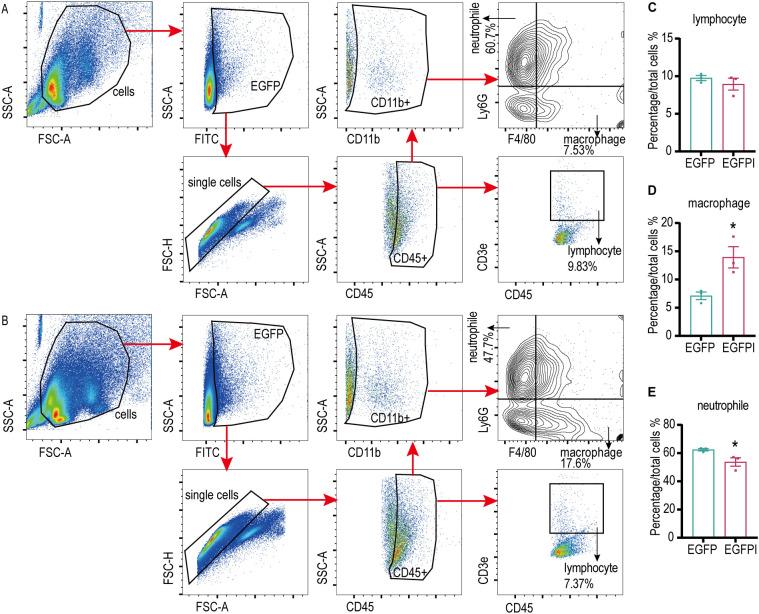
In this study, septicemia was induced in mice using CMCC 44102 (E) and CMCC 26003 (SA). The level of serum irisin were examined by ELISA kit. Mice with septicemia were intraperitoneally injected with irisin. The survival rate, body temperature, clinical manifestations, body's bacterial load, the number of immune cells in blood, the level of inflammation in the body of the mice with septicemia were monitored to evaluate the effect of irisin therapy. The effect of irisin on the phagocytosis of spleen macrophages was observed by flow cytometry. LPS was used to induce inflammation in RAW264.7 cells and irisin was added to determine the effect of irisin on the level of macrophage inflammation.
RESULTS
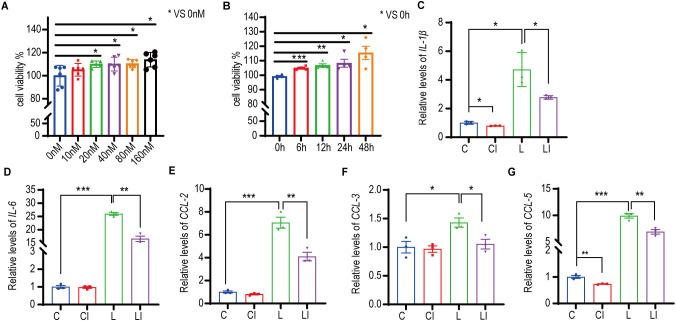
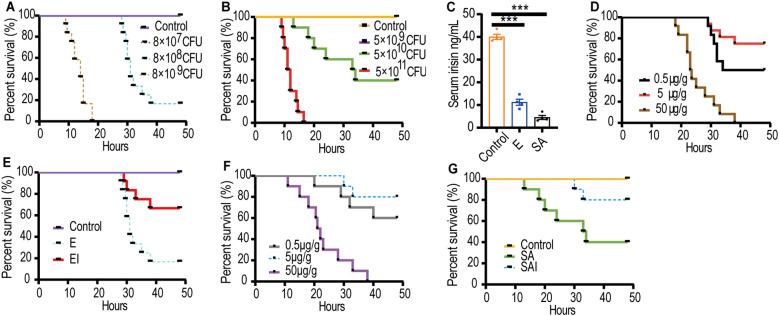
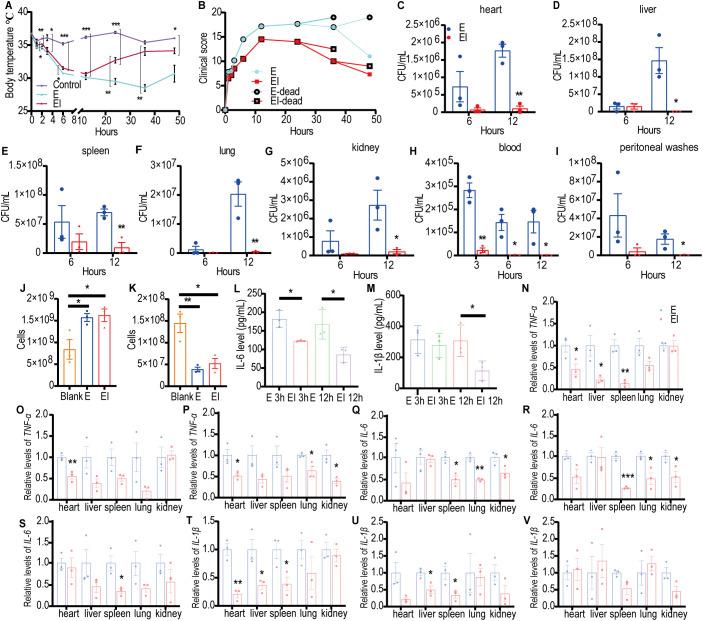
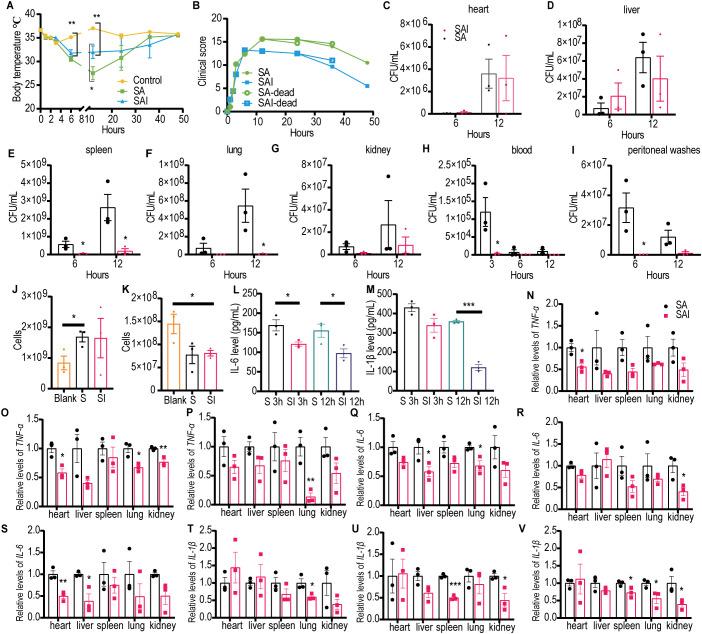
, sepsis decreased serum irisin levels in mice. Irisin treatment in septicemic mice enhanced the phagocytosis of splenic macrophages, improved survival rates, accelerated body temperature recovery, alleviated clinical symptoms, reduced serum and organ inflammation, lowered bacterial loads in organs and body fluids. , irisin increased phagocytosis and reduced inflammation in RAW264.7 cells.
CONCLUSIONS
Irisin improves splenic macrophage phagocytosis and reduces macrophage inflammation, thereby mitigating sepsis. Irisin holds potential as a therapeutic agent for sepsis treatment.
背景
脓毒症的治疗依赖于感染后的抗生素治疗;然而,耐药菌的出现使得开发新的治疗药物成为必要。已有研究表明鸢尾素可缓解脓毒症小鼠的症状,但其作用机制尚不清楚。我们的目的是确定鸢尾素缓解脓毒症的机制。
方法
在本研究中,使用CMCC 44102(大肠杆菌)和CMCC 26003(金黄色葡萄球菌)诱导小鼠发生败血症。采用ELISA试剂盒检测血清鸢尾素水平。对败血症小鼠腹腔注射鸢尾素。监测败血症小鼠的存活率、体温、临床表现、体内细菌载量、血液中免疫细胞数量、体内炎症水平,以评估鸢尾素治疗的效果。通过流式细胞术观察鸢尾素对脾巨噬细胞吞噬作用的影响。使用脂多糖(LPS)诱导RAW264.7细胞发生炎症,并加入鸢尾素以确定鸢尾素对巨噬细胞炎症水平的影响。
结果
败血症可降低小鼠血清鸢尾素水平。鸢尾素治疗败血症小鼠可增强脾巨噬细胞的吞噬作用,提高存活率,加速体温恢复,缓解临床症状,减轻血清和器官炎症,降低器官和体液中的细菌载量。此外,鸢尾素可增加RAW264.7细胞的吞噬作用并减轻炎症。
结论
鸢尾素可改善脾巨噬细胞吞噬功能并减轻巨噬细胞炎症,从而减轻脓毒症。鸢尾素具有作为脓毒症治疗药物的潜力。

 Zotero 插件