
免疫调节与溶栓方法在深静脉血栓形成和肺栓塞治疗中的应用
Immunomodulation and Thrombolytic Approaches in the Management of Deep Vein Thrombosis and Pulmonary Embolism.
作者信息
Pathak Angelie, Roberts Laura, Agrawal Devendra K
机构信息
Department of Translational Research, College of Osteopathic Medicine of the Pacific, Western University of Health Sciences, Pomona, California 91766 USA.
出版信息
Cardiol Cardiovasc Med. 2025;9(4):322-333. doi: 10.26502/fccm.92920456. Epub 2025 Aug 8.
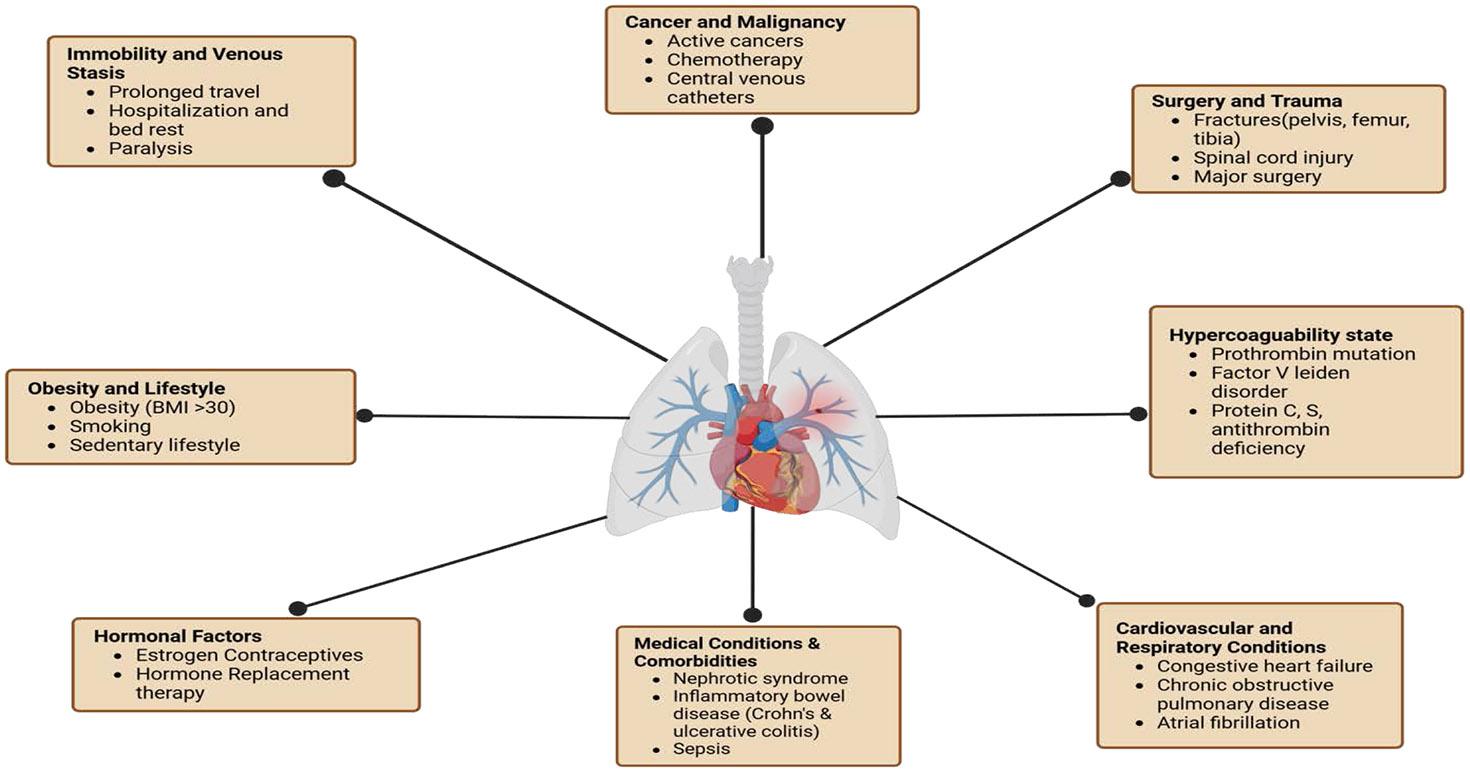
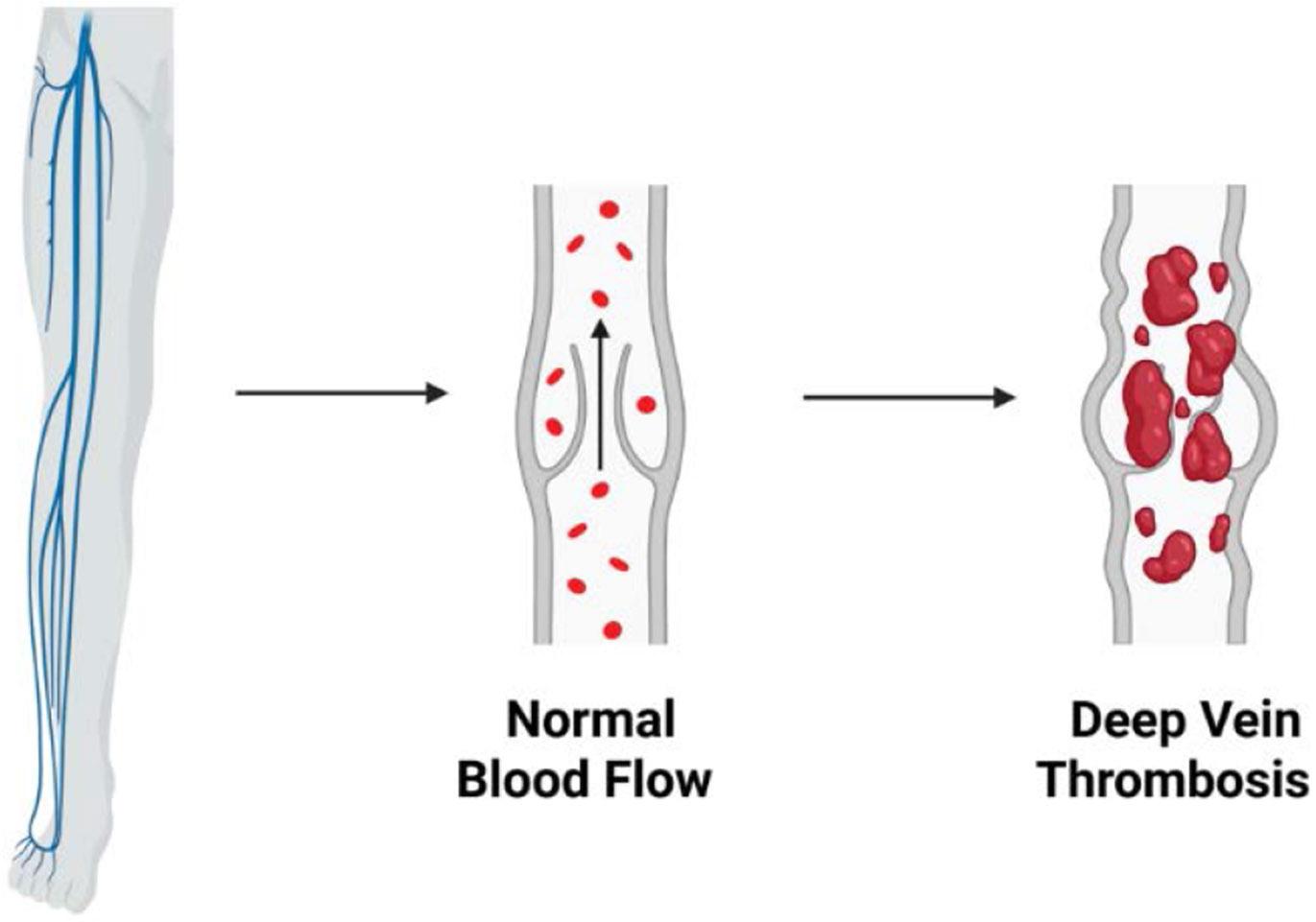
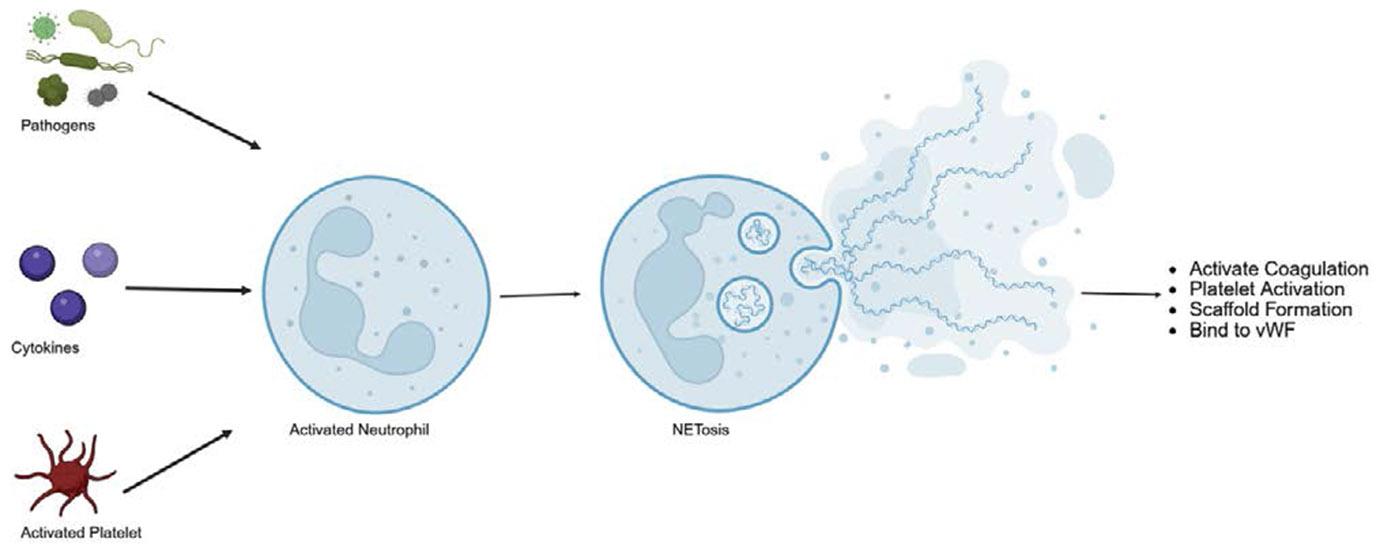
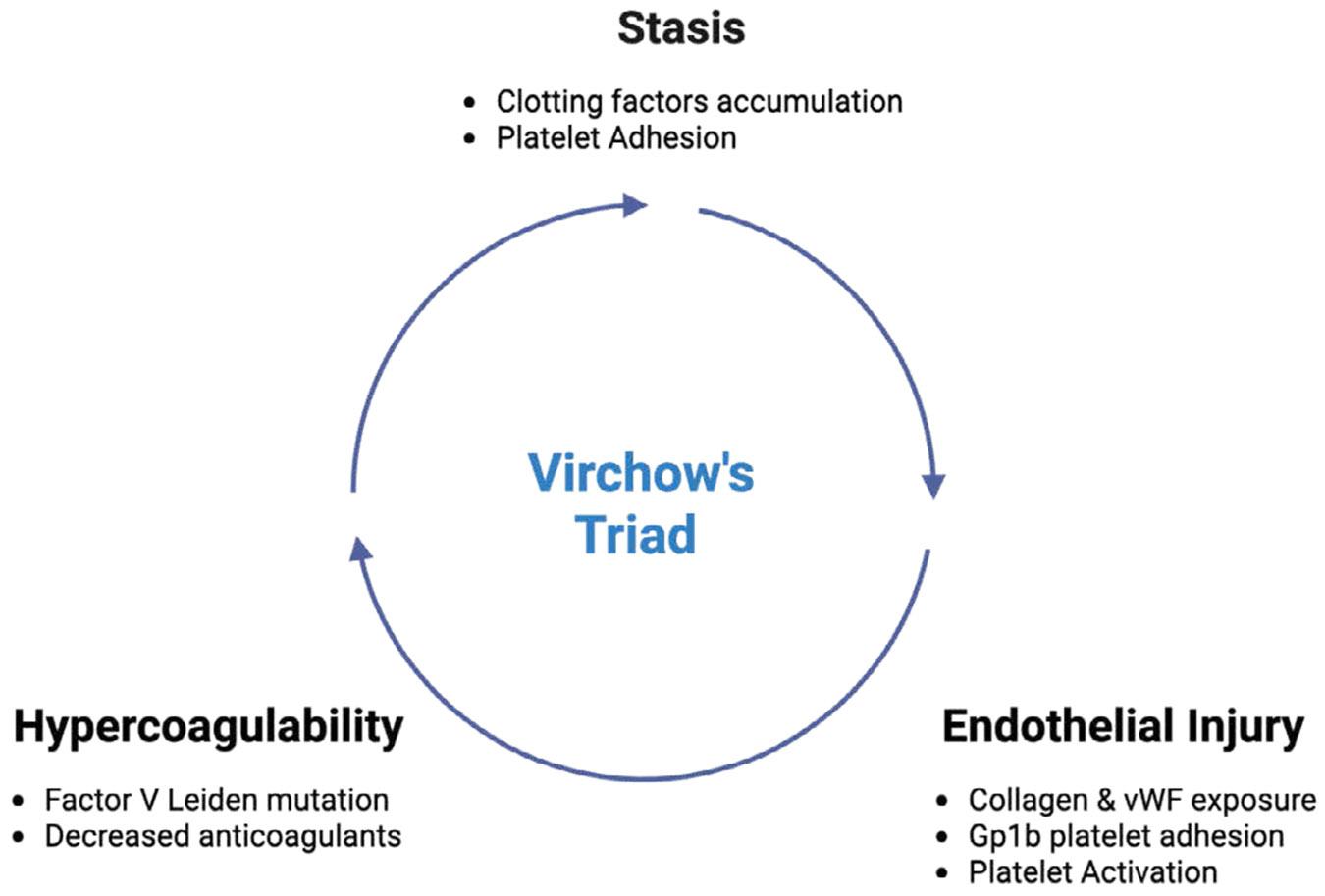
Deep vein thrombosis (DVT) and pulmonary embolism (PE) are key initiating events in the development of venous thromboembolism (VTE), a condition associated with significant morbidity, mortality, and long-term complications. While traditional therapies have focused on anticoagulation and thrombolysis, current evidence describes the pivotal role of immune pathways in the pathogenesis and progression of thrombosis. This review explores the multifaceted mechanisms underlying DVT and PE, emphasizing the contribution of inflammation, leukocyte activation, and immuno-thrombosis to thrombus formation and embolization. Key immune players such as neutrophil extracellular traps (NETs), inflammasomes, antibodies, and the STING pathway act in concert with coagulation cascades, highlighting potential targets for therapeutic modulation. We critically evaluated and discussed the efficacy and risks associated with thrombolytic agents such as alteplase, reteplase, and tenecteplase, particularly in severe or hemodynamically unstable cases. In addition, we reviewed new and innovative approaches including immune-targeted therapies and nanoparticle-based drug delivery systems, which provide the promise of more precise, safer, and cost-effective interventions. By integrating immunologic insights with evolving thrombolytic strategies, this paper supports a more tailored approach to managing DVT and PE, with the goal of reducing recurrence, minimizing complications, and enhancing long-term patient outcomes.
深静脉血栓形成(DVT)和肺栓塞(PE)是静脉血栓栓塞症(VTE)发生发展的关键起始事件,VTE与显著的发病率、死亡率及长期并发症相关。虽然传统疗法主要集中在抗凝和溶栓方面,但目前的证据表明免疫途径在血栓形成的发病机制和进展中起关键作用。本综述探讨了DVT和PE背后的多方面机制,强调炎症、白细胞活化和免疫血栓形成对血栓形成和栓塞的作用。中性粒细胞胞外陷阱(NETs)、炎性小体、抗体和STING通路等关键免疫因子与凝血级联反应协同作用,突出了治疗调节的潜在靶点。我们批判性地评估和讨论了阿替普酶、瑞替普酶和替奈普酶等溶栓药物的疗效和风险,尤其是在严重或血流动力学不稳定的病例中。此外,我们还综述了包括免疫靶向治疗和基于纳米颗粒的药物递送系统在内的新的创新方法,这些方法有望实现更精确、更安全且更具成本效益的干预。通过将免疫学见解与不断发展的溶栓策略相结合,本文支持采用更具针对性的方法来管理DVT和PE,目标是减少复发、将并发症降至最低并改善患者的长期预后。


 Zotero 插件