
间充质干细胞在哮喘炎症亚型中的新见解。
New insights into mesenchymal stem cells in inflammatory subtypes of asthma.
作者信息
Hou Zheng-Yan, Hao Yu-Qiu, Zhang Lin, Li Wei, Gao Peng
机构信息
Department of Respiratory & Critical Care Medicine, Hospital 2, Jilin University, Changchun, China.
出版信息
Front Immunol. 2025 Aug 26;16:1649597. doi: 10.3389/fimmu.2025.1649597. eCollection 2025.
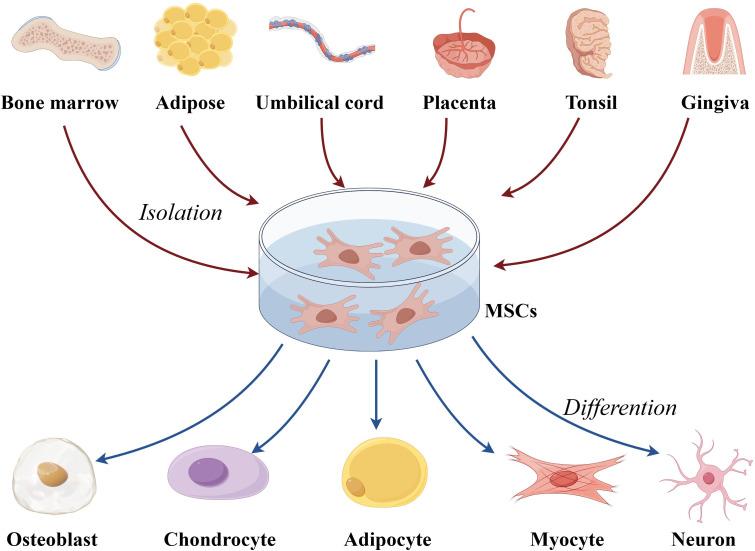
Asthma is a heterogeneous disease characterized by chronic airway inflammation, heightened reactivity, and structural remodeling. The responses of different phenotypes to traditional corticosteroid therapy vary significantly, with steroid resistance in low T-helper type 2 asthma remaining an urgent clinical challenge. In recent years, mesenchymal stem cells (MSCs) and their exosomes-mesenchymal stem cell-derived extracellular vesicles (MSC-EVs)-have emerged as promising therapeutic agents due to their potent immunomodulatory properties. In this review, we systematically explain how MSCs and MSC-EVs inhibit airway inflammation in asthma through multi-target immunoregulation, highlight their therapeutic potential in steroid-resistant asthma, and outline the challenges and optimization strategies involved in clinical translation, thereby providing a theoretical foundation for the development of novel therapies.
哮喘是一种异质性疾病,其特征为慢性气道炎症、高反应性和结构重塑。不同表型对传统皮质类固醇疗法的反应差异显著,低2型辅助性T细胞哮喘中的类固醇抵抗仍然是一项紧迫的临床挑战。近年来,间充质干细胞(MSCs)及其外泌体——间充质干细胞衍生的细胞外囊泡(MSC-EVs)——因其强大的免疫调节特性而成为有前景的治疗剂。在本综述中,我们系统地解释了MSCs和MSC-EVs如何通过多靶点免疫调节抑制哮喘中的气道炎症,强调了它们在类固醇抵抗性哮喘中的治疗潜力,并概述了临床转化中涉及的挑战和优化策略,从而为新型疗法的开发提供理论基础。

 Zotero 插件