
基因座:处于人类行为障碍与动物驯化的交叉点
Locus: At the Crossroads of Human Behavioral Disorders and Domestication of Animals.
作者信息
Shepelev Mikhail V, Skobel Olga I, Glazko Tatiana T, Popov Dmitry V, Vysotskii Denis E, Georgiev Pavel G, Maksimenko Oksana G, Kosovsky Gleb Y, Silaeva Yuliya Y
机构信息
Center for Genome Research, Institute of Gene Biology, Russian Academy of Sciences, 34/5 Vavilova Str., 119334 Moscow, Russia.
Afanas'ev Institute of Fur-Bearing Animal Breeding and Rabbit Breeding, 6 Trudovaya Str., Rodniki, 140143 Moscow Region, Russia.
出版信息
Int J Mol Sci. 2025 Sep 3;26(17):8549. doi: 10.3390/ijms26178549.
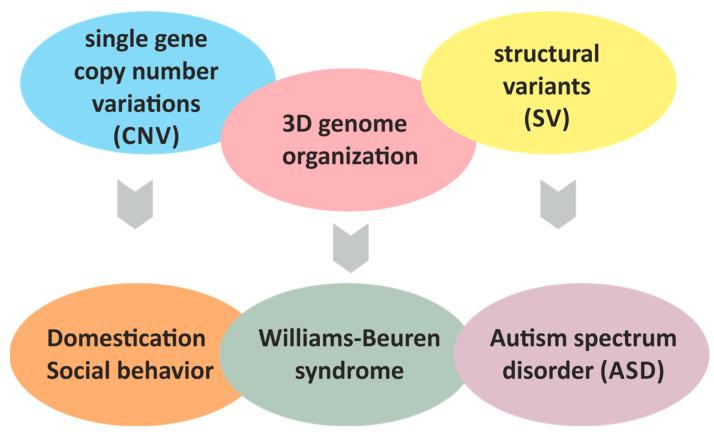
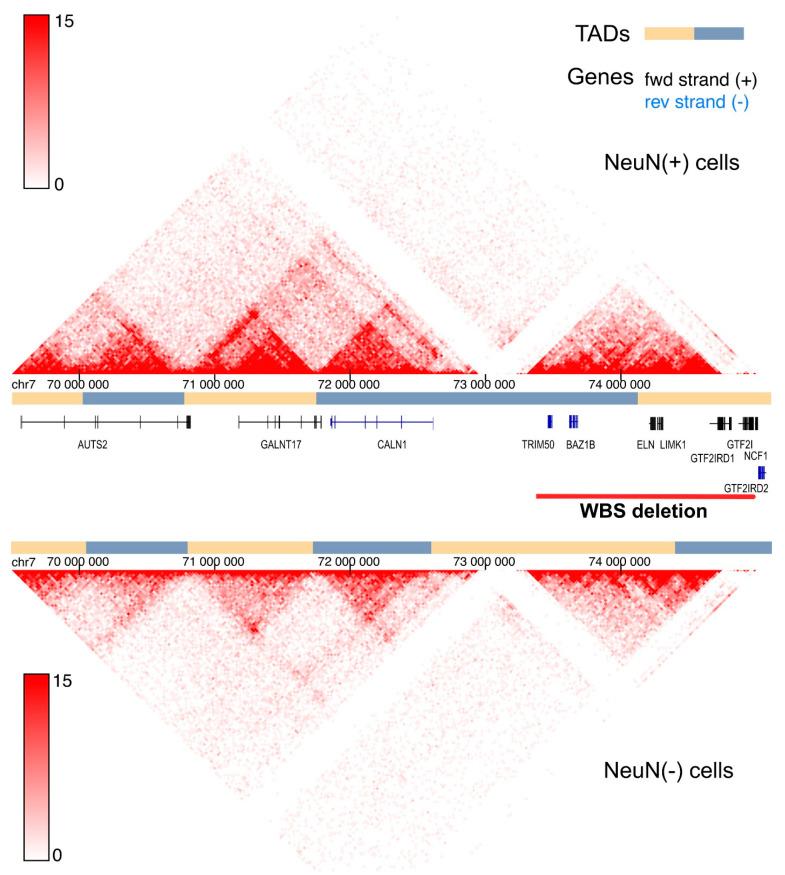
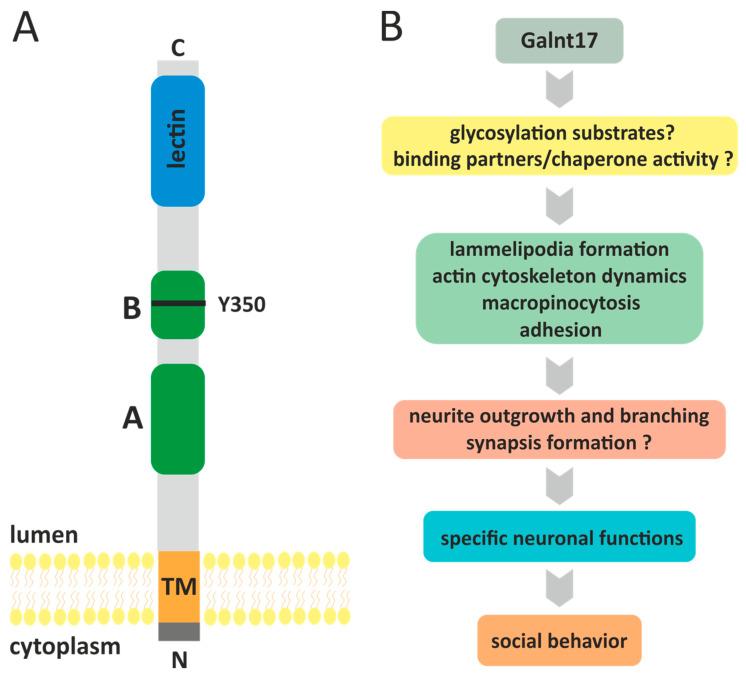
Social interaction between the domesticated animal and the domesticator is one of the key features of the "domestication syndrome". Recent research has identified genes in the (Williams-Beuren syndrome control region) locus as significant contributors to social behavior in dogs. Large chromosomal deletions and duplications in the human locus lead to the development of WBS (Williams-Beuren syndrome) and duplication syndrome, respectively. Hypersociability is one of the key symptoms of WBS, while the duplication syndrome is manifested as an autism spectrum disorder (ASD). The data from both humans and dogs highlight the locus as one of the key genetic determinants of social behavior in mammals. Several genes in the are candidates for the regulation of social behavior in mammals including , , and . Here, we discuss the role of locus in the regulation of social behavior in mammals including the recent data that highlight the importance of 3D genome alterations in this genomic region for both domestication of animals and development of neurobehavioral disorders in humans. In addition, we bring attention to the role of the poorly characterized gene as a putative player in the development of ASD symptoms and in the regulation of social behavior in animals. We provide a brief summary of its known functions and propose the future research directions aimed at the elucidation of involvement in the regulation of central nervous system (CNS) functions.
家养动物与驯化者之间的社会互动是“驯化综合征”的关键特征之一。最近的研究已确定(威廉姆斯-博伦综合征控制区域)位点中的基因是犬类社会行为的重要促成因素。人类该位点的大片段染色体缺失和重复分别导致威廉姆斯-博伦综合征(WBS)和该区域重复综合征的发生。过度社交是WBS的关键症状之一,而该区域重复综合征则表现为自闭症谱系障碍(ASD)。来自人类和犬类的数据都突出了该位点是哺乳动物社会行为的关键遗传决定因素之一。该区域的几个基因是哺乳动物社会行为调节的候选基因,包括、、和。在这里,我们讨论该位点在哺乳动物社会行为调节中的作用,包括最近的数据,这些数据突出了该基因组区域三维基因组改变对动物驯化和人类神经行为障碍发展的重要性。此外,我们还关注了特征描述较少的基因在ASD症状发展和动物社会行为调节中的潜在作用。我们简要总结了其已知功能,并提出了旨在阐明其参与中枢神经系统(CNS)功能调节的未来研究方向。

 Zotero 插件