
采用局部动脉内瘤内注射氯卟啉e6和顺铂联合光动力疗法与化疗:首次临床观察
Combined Photodynamic Therapy and Chemotherapy Using Local Intra-Arterial Intratumoral Administration of Chlorin e6 and Cisplatin: First Clinical Observations.
作者信息
Efendiev Kanamat, Shiryaev Artem, Rakhmanova Aidai, Pisareva Tatiana, Mamedova Alena, Samoylova Svetlana, Reshetov Igor, Skobeltsin Alexey, Krivetskaya Anna, Ryabova Anastasia, Makarov Vladimir, Loschenov Victor
机构信息
Prokhorov General Physics Institute of the Russian Academy of Sciences, 119991 Moscow, Russia.
Department of Laser Micro-, Nano-, and Biotechnology, Institute of Engineering Physics for Biomedicine, National Research Nuclear University "MEPhI", 115409 Moscow, Russia.
出版信息
Int J Mol Sci. 2025 Sep 5;26(17):8640. doi: 10.3390/ijms26178640.
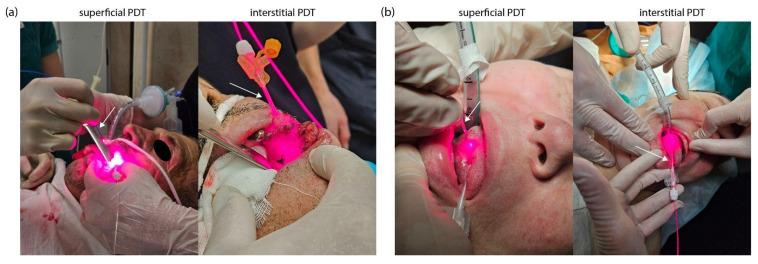
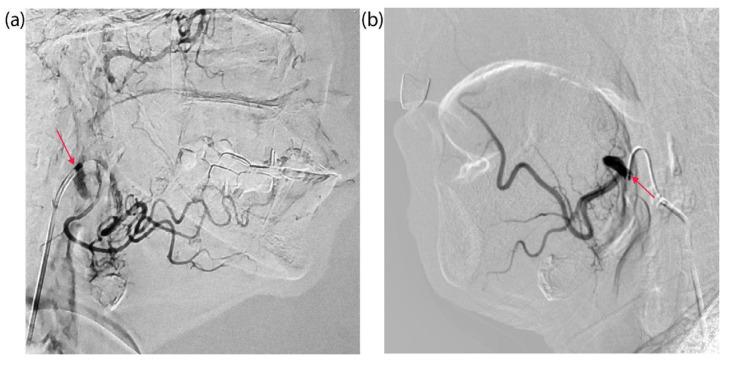
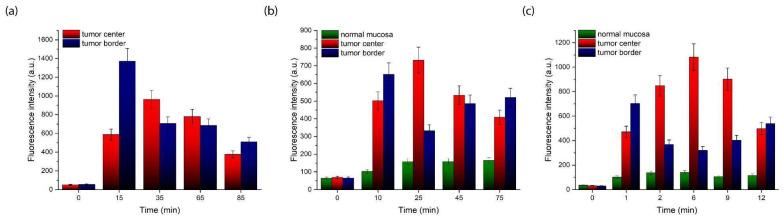
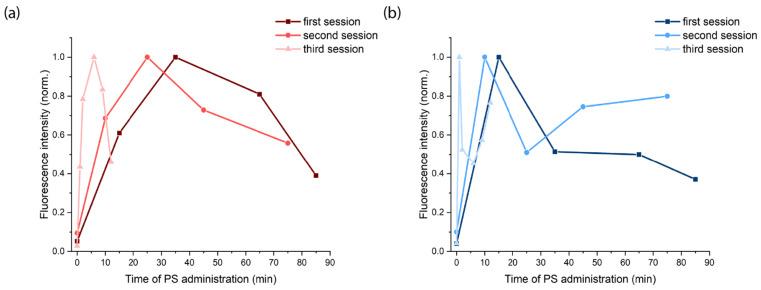
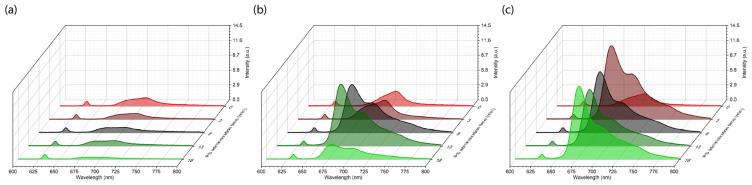
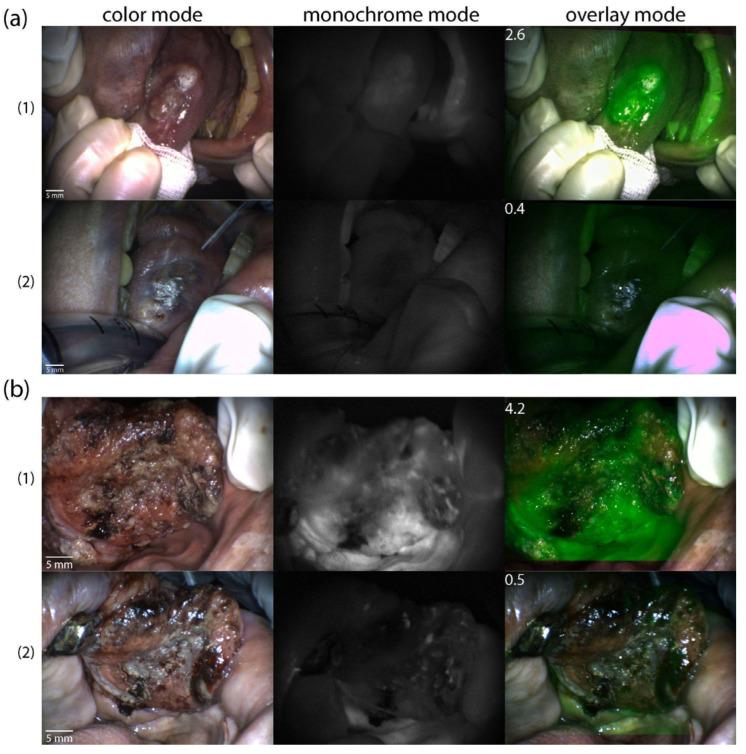
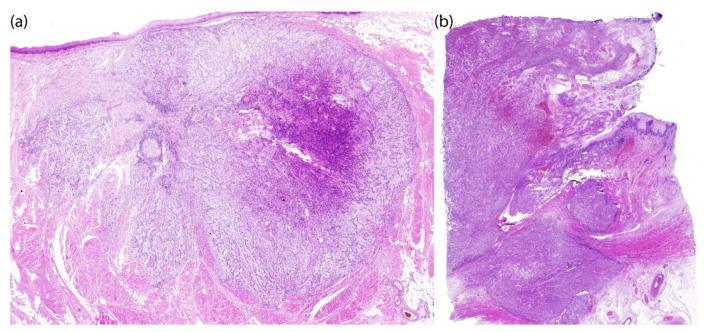
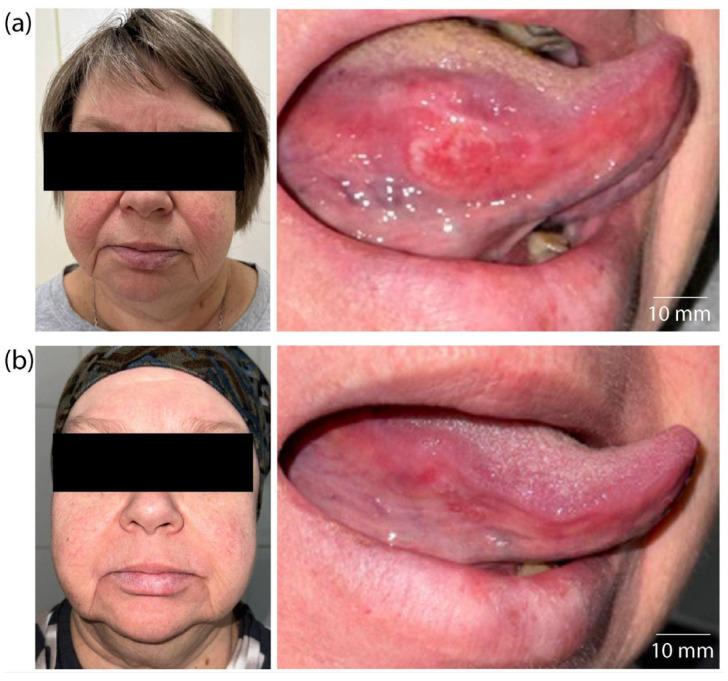
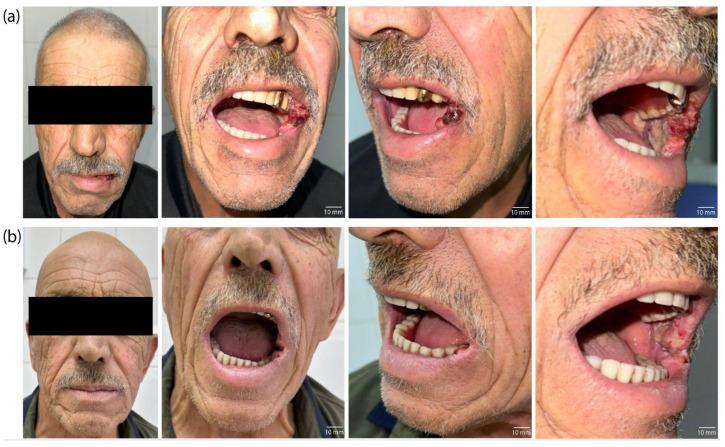
Despite advances in cancer treatment, head and neck squamous cell carcinoma (HNSCC) remains a serious clinical problem due to tumor aggressiveness, tumor resistance to therapy, and treatment toxicity. The combination of photodynamic therapy (PDT) with chemotherapy is a promising approach to improve efficacy while reducing side effects. For the first time, the possibility and antitumor effect of the combined use of PDT and chemotherapy with intra-arterial administration of chlorin e6 (Ce6) and cisplatin in patients with HNSCC were assessed. Two patients with locally advanced HNSCC received intra-arterial administration of Ce6 (at a dose of 0.5 mg/kg) and cisplatin (at a dose of 50 mg/m) via a catheter into the tumor-feeding artery followed by laser irradiation. Ce6 distribution, tumor response, and treatment efficacy were assessed by fluorescence diagnostics, confocal microscopy, and histopathological analysis. Intra-arterial administration of the photosensitizer (PS) and chemotherapeutic agent ensured high selectivity of their tumor accumulation. Fluorescence diagnostics showed rapid and selective Ce6 accumulation in the tumor and PS photobleaching after PDT. For a patient with three PDT sessions, there is a significant acceleration of the Ce6 spread from the tumor-feeding artery throughout the tumor bed with each therapy session. This is a good sign of a tumor stroma density decrease. The combined use of PDT and chemotherapy with intra-arterial administration of Ce6 and cisplatin is safe and feasible, with preliminary evidence of local cytotoxicity treatment for HNSCC, allowing targeted drug delivery to the tumor. This is the first report of the combined use of PDT and chemotherapy with selective intra-arterial administration of a PS and a chemotherapeutic drug for the treatment of cancer.
尽管癌症治疗取得了进展,但由于肿瘤的侵袭性、对治疗的抗性以及治疗毒性,头颈部鳞状细胞癌(HNSCC)仍然是一个严重的临床问题。光动力疗法(PDT)与化疗相结合是一种有望提高疗效同时减少副作用的方法。首次评估了在HNSCC患者中联合使用PDT和化疗并动脉内给予氯e6(Ce6)和顺铂的可能性及抗肿瘤效果。两名局部晚期HNSCC患者通过导管将Ce6(剂量为0.5mg/kg)和顺铂(剂量为50mg/m)动脉内注入肿瘤供血动脉,随后进行激光照射。通过荧光诊断、共聚焦显微镜和组织病理学分析评估Ce6分布、肿瘤反应和治疗效果。动脉内给予光敏剂(PS)和化疗药物可确保它们在肿瘤中的高选择性蓄积。荧光诊断显示PDT后肿瘤中Ce6快速且选择性蓄积以及PS光漂白。对于接受三次PDT治疗的一名患者,每次治疗过程中Ce6从肿瘤供血动脉向整个肿瘤床的扩散都有显著加速。这是肿瘤基质密度降低的良好迹象。联合使用PDT和化疗并动脉内给予Ce6和顺铂是安全可行的,有初步证据表明对HNSCC有局部细胞毒性治疗作用,可实现靶向药物递送至肿瘤。这是关于联合使用PDT和化疗并选择性动脉内给予PS和化疗药物治疗癌症的首份报告。



 Zotero 插件