
酸性槐糖脂生物表面活性剂可保护血清白蛋白免受热变性影响。
Acidic Sophorolipid Biosurfactant Protects Serum Albumin Against Thermal Denaturation.
作者信息
Ortiz Julia, Marcelino Paulo Ricardo Franco, Teruel José A, Aranda Francisco J, Ortiz Antonio
机构信息
Departamento de Bioquímica y Biología Molecular-A, Facultad de Veterinaria, Universidad de Murcia, 30100 Murcia, Spain.
Laboratório de Bioprocessos e Produtos Sustentáveis (LBios), Escola de Engenharia de Lorena (EEL), Universidade de São Paulo (USP), São Paulo 05508-220, Brazil.
出版信息
Int J Mol Sci. 2025 Sep 8;26(17):8752. doi: 10.3390/ijms26178752.
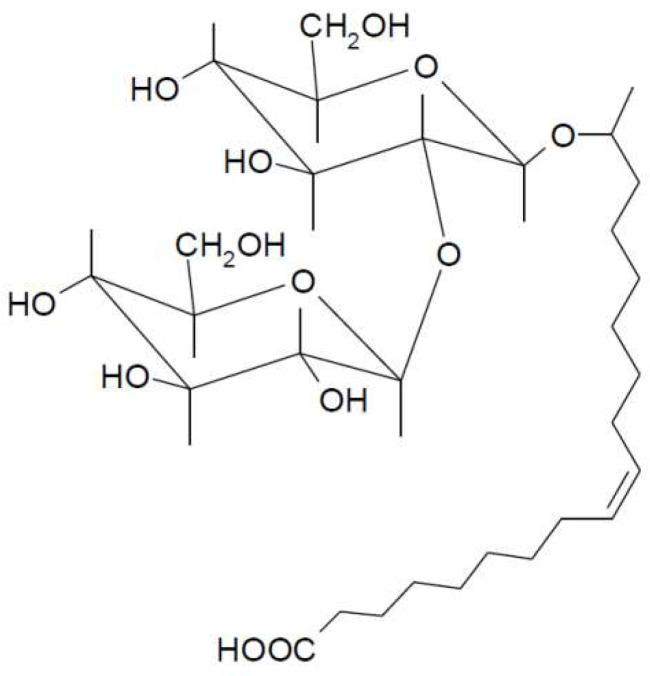
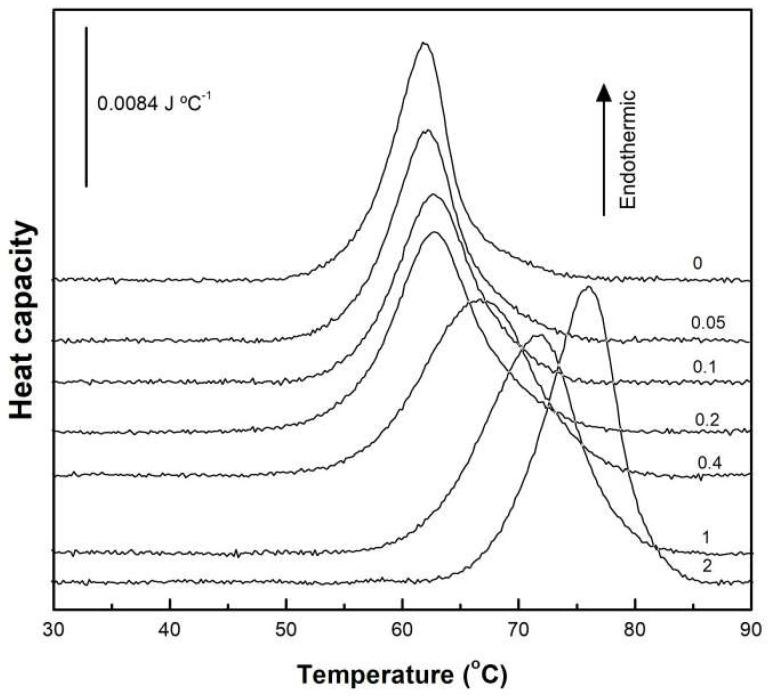
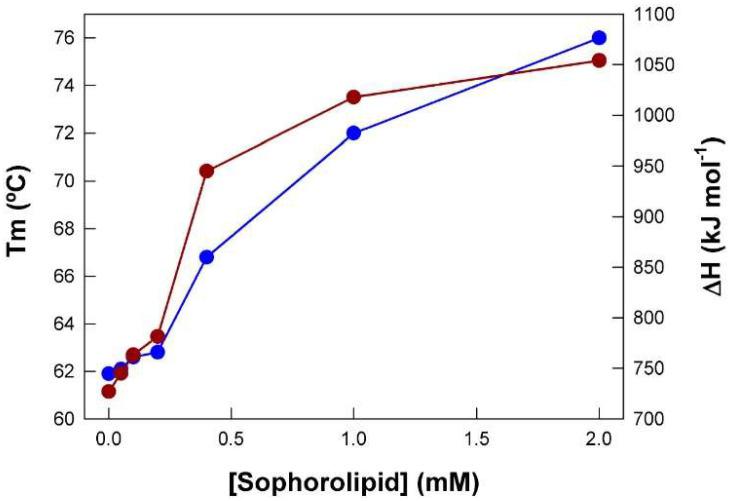
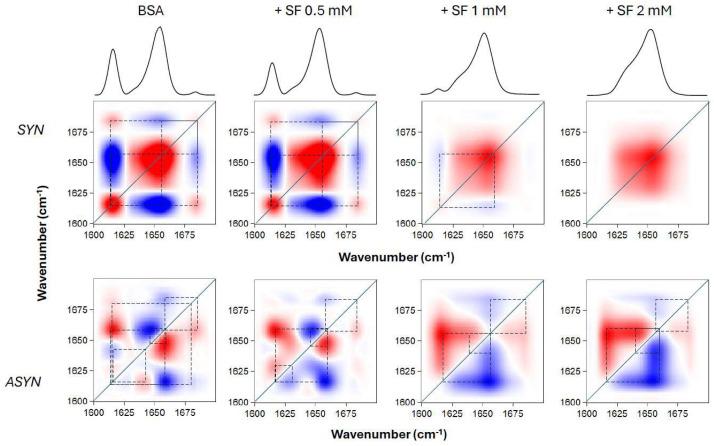
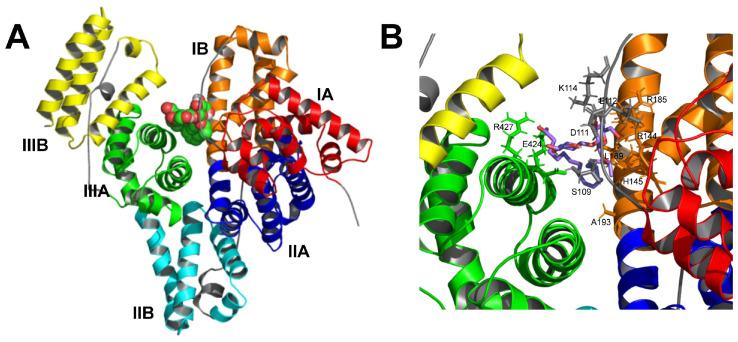
Sophorolipids (SLs) constitute a group of unique biosurfactants in light of their unique properties, among which their physicochemical characteristics and antimicrobial activity stand out. SLs can exist mainly in acidic and lactonic forms, both of which display inhibitory activity. This study explores the interaction of non-acetylated acidic SL with bovine serum albumin (BSA). SL significantly enhances BSA's thermal stability, increasing its midpoint unfolding temperature from 61.9 °C to approximately 76.0 °C and ΔH from 727 to 1054 kJ mol at high concentrations, indicating cooperative binding. Fourier-Transform Infrared Spectroscopy (FTIR) analysis confirms SL's protective effect against thermal unfolding, enabling BSA to maintain its helical structure at 70 °C, distinguishing it from other surfactants that cause denaturation. Furthermore, SL fundamentally alters the sequence of thermal unfolding events; β-aggregation precedes helical domain unfolding, suggesting protective binding to BSA's helical regions. Computational docking reveals high-affinity binding (Kd = 14.5 μM). Uniquely, SL binds between BSA domains IB and IIIA, establishing hydrophobic interactions, salt bridges, and hydrogen bonds, thus stabilizing the protein's 3D structure. This distinct binding site is attributed to SL's amphipathic character. This work deepens the understanding of the molecular characteristics of SL-protein interactions and contributes to improving the general knowledge of this outstanding biosurfactant.
槐糖脂(SLs)鉴于其独特的性质,构成了一类独特的生物表面活性剂,其中其物理化学特性和抗菌活性尤为突出。SLs主要以酸性和内酯形式存在,两者均表现出抑制活性。本研究探讨了非乙酰化酸性SL与牛血清白蛋白(BSA)的相互作用。SL显著提高了BSA的热稳定性,在高浓度下将其解折叠中点温度从61.9℃提高到约76.0℃,ΔH从727kJ/mol增加到1054kJ/mol,表明存在协同结合。傅里叶变换红外光谱(FTIR)分析证实了SL对热解折叠的保护作用,使BSA在70℃时能保持其螺旋结构,这与其他导致变性的表面活性剂不同。此外,SL从根本上改变了热解折叠事件的顺序;β-聚集先于螺旋结构域解折叠,表明其与BSA的螺旋区域存在保护性结合。计算对接显示出高亲和力结合(Kd = 14.5 μM)。独特的是,SL结合在BSA的结构域IB和IIIA之间,形成疏水相互作用、盐桥和氢键,从而稳定了蛋白质的三维结构。这种独特的结合位点归因于SL的两亲性。这项工作加深了对SL-蛋白质相互作用分子特征的理解,并有助于增进对这种杰出生物表面活性剂的一般认识。


 Zotero 插件