
叶靶向血管生成抗胃癌机制的探索
Exploration of the Mechanism of Leaves Targeted Angiogenesis against Gastric Cancer.
作者信息
Han Zhengjie, Liu Qiwei, Yang Jianhua, Wang Xiangyu, Song Wenchao, Wang Jinghui, Yang Yinfeng
机构信息
School of Medical Informatics Engineering, Anhui University of Chinese Medicine, Hefei, Anhui 230012, China.
Collega of Integrated Chinese and Western Medicine, Anhui University of Chinese Medicine, Hefei, Anhui 230012, China.
出版信息
ACS Omega. 2025 Aug 24;10(35):40460-40476. doi: 10.1021/acsomega.5c05859. eCollection 2025 Sep 9.
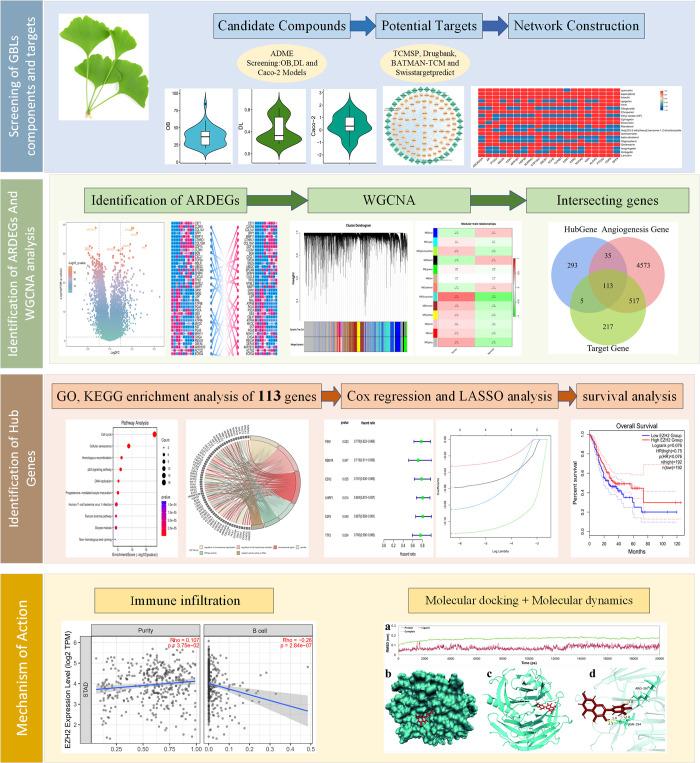
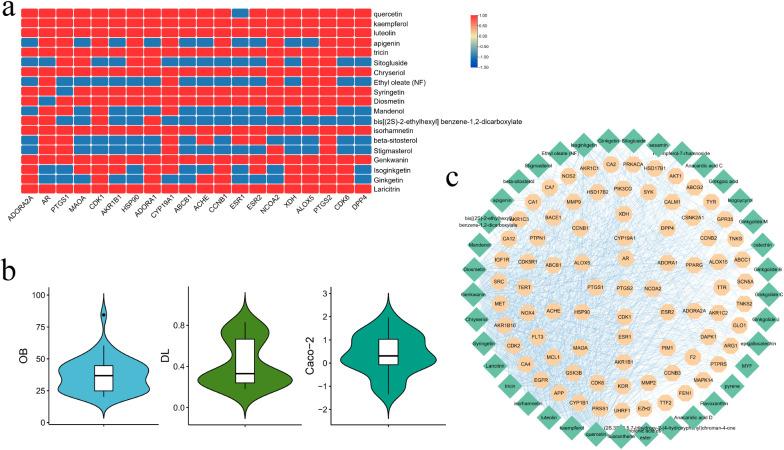
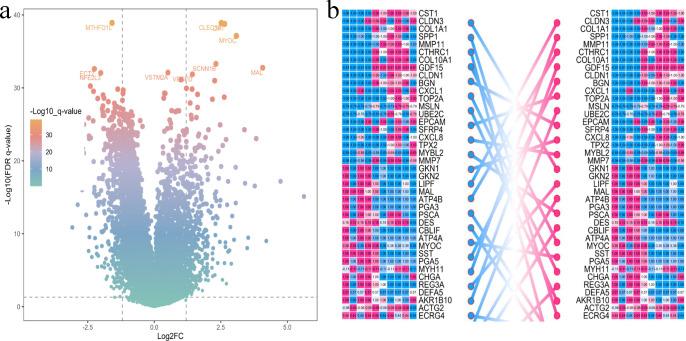
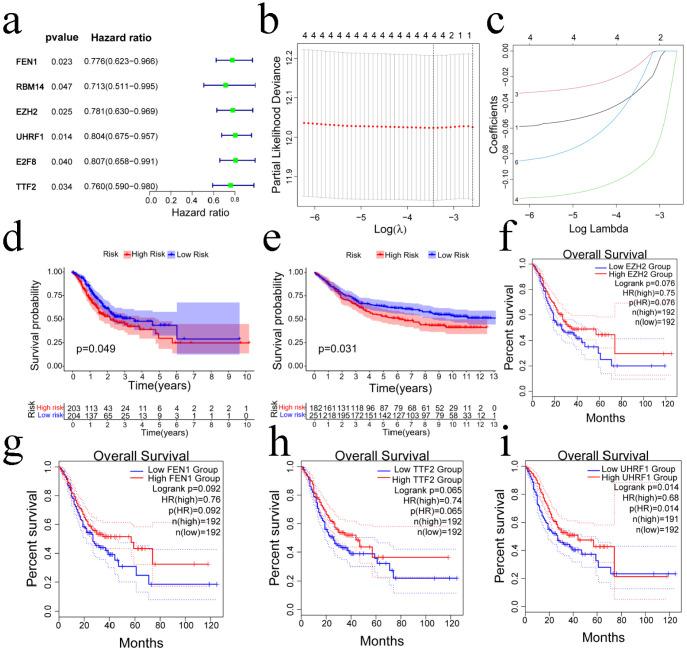
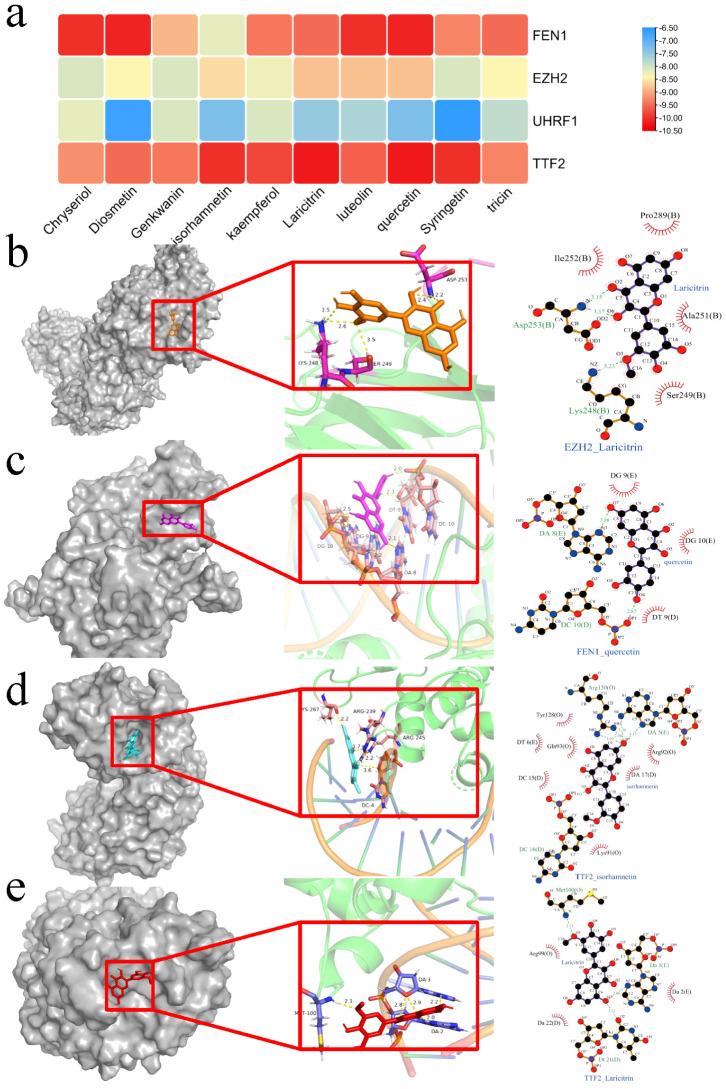
Gastric cancer (GC), the fifth most prevalent malignancy worldwide, is the fifth leading cause of cancer-related deaths. Angiogenesis, the formation of new blood vessels from preexisting vasculature, plays a critical role in tumor growth, invasion, and metastasis, making it a primary target for cancer therapies. Despite advancements in conventional therapies, their limited efficacy and associated adverse effects necessitate alternative therapeutic strategies. Medicinal plant-derived agents, such as leaves (Ls), have garnered increased attention for their antitumor properties. However, their specific anti-GC mechanisms for targeting angiogenesis remain unclear. Presently, a comprehensive approach incorporating network pharmacology, pharmacokinetics, computational chemistry, bioinformatics analysis, and experimental validation was performed. Utilizing network pharmacology and pharmacokinetic analyses, 43 bioactive compounds and 852 potential targets are identified through ADME screening and the SysDT algorithm. Core angiogenesis-related genes (ARGs) are subsequently determined via integration of single-factor Cox regression, WGCNA, and LASSO methodologies. Intersection analysis of differentially expressed genes (DEGs) in GC patients, predicted Ls targets, and ARGs identified four hub genes, i.e., EZH2, FEN1, TTF2, and UHRF1. Molecular docking and MD simulations confirmed the robust binding interactions between key compounds and these targets. Functional enrichment analysis revealed three critical pathways of Ls in treating GC, which include the p53/p21 signaling, G1/S cell cycle transition, and Wnt/β-catenin signaling. studies demonstrate the antiproliferative and pro-apoptotic effects of EGb 761, showing the anti-GC effects of Gs. This is the first comprehensive exploration of the anti-GC molecular mechanism of Ls targeted angiogenesis employing the combination of dry and wet experiments. All the findings offer valuable insights into antiangiogenic mechanisms of Ls in treating GC, providing a foundation for developing novel plant-based treatments for complex diseases.
胃癌(GC)是全球第五大常见恶性肿瘤,是癌症相关死亡的第五大主要原因。血管生成是指从预先存在的脉管系统形成新血管,在肿瘤生长、侵袭和转移中起关键作用,使其成为癌症治疗的主要靶点。尽管传统疗法取得了进展,但其有限的疗效和相关的不良反应需要替代治疗策略。药用植物衍生剂,如叶(Ls),因其抗肿瘤特性而受到越来越多的关注。然而,它们靶向血管生成的具体抗GC机制仍不清楚。目前,采用了一种综合方法,包括网络药理学、药代动力学、计算化学、生物信息学分析和实验验证。利用网络药理学和药代动力学分析,通过ADME筛选和SysDT算法鉴定出43种生物活性化合物和852个潜在靶点。随后通过单因素Cox回归、WGCNA和LASSO方法的整合确定核心血管生成相关基因(ARG)。对GC患者中差异表达基因(DEG)、预测的Ls靶点和ARG进行交集分析,确定了四个枢纽基因,即EZH2、FEN1、TTF2和UHRF1。分子对接和MD模拟证实了关键化合物与这些靶点之间的强结合相互作用。功能富集分析揭示了Ls治疗GC的三个关键途径,包括p53/p21信号通路、G1/S细胞周期转换和Wnt/β-连环蛋白信号通路。研究证明了EGb 761的抗增殖和促凋亡作用,显示了Gs的抗GC作用。这是首次采用干湿实验相结合的方法对Ls靶向血管生成的抗GC分子机制进行全面探索。所有这些发现为Ls治疗GC的抗血管生成机制提供了有价值的见解,为开发基于植物的复杂疾病新疗法奠定了基础。





 Zotero 插件