
甲硫氨酸在高温下对酵母细胞的致死作用。
Methionine-mediated lethality in yeast cells at elevated temperature.
作者信息
Jakubowski H, Goldman E
机构信息
Department of Microbiology and Molecular Genetics, University of Medicine and Dentistry of New Jersey-New Jersey Medical School, Newark 07103.
出版信息
J Bacteriol. 1993 Sep;175(17):5469-76. doi: 10.1128/jb.175.17.5469-5476.1993.
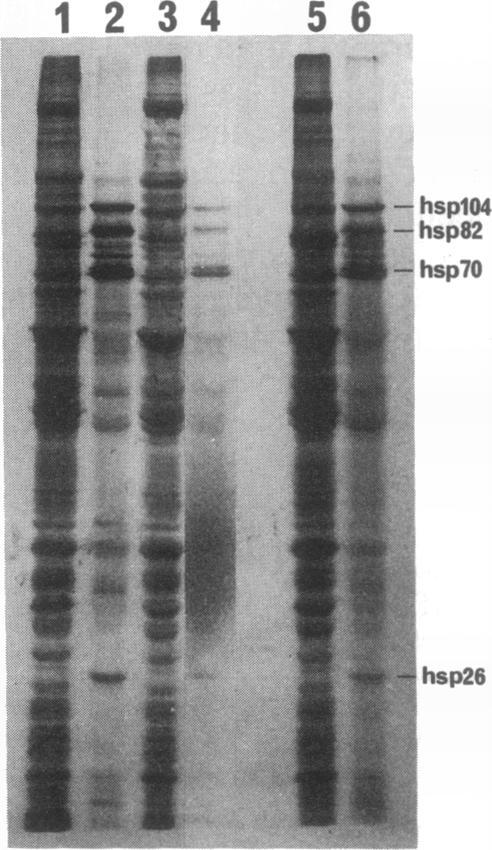
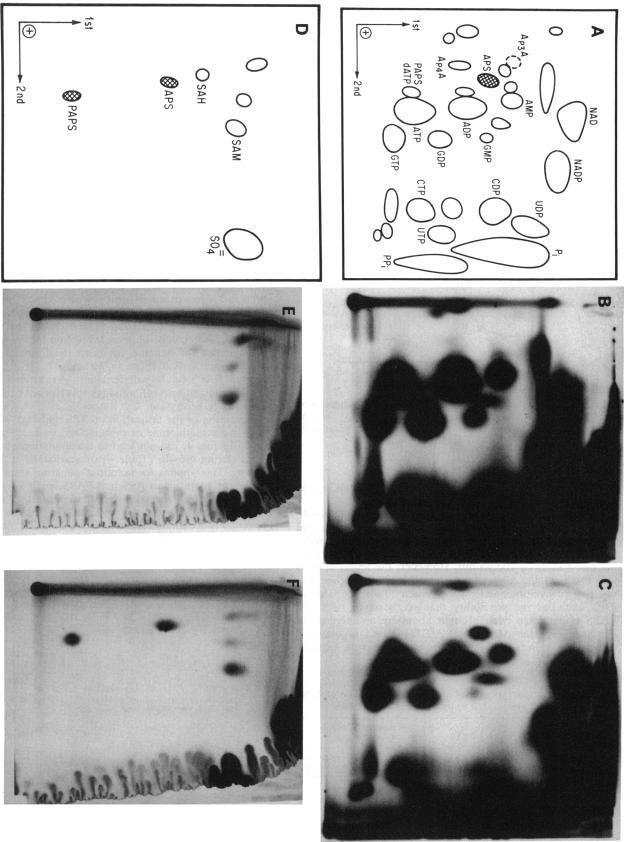
Saccharomyces cerevisiae cells grown at 30 degrees C in minimal medium containing methionine lose viability upon transfer to 45 degrees C, whereas cells grown in the absence of methionine survive. Cellular levels of two intermediates in the sulfate assimilation pathway, adenosine 5'-phosphosulfate (APS) and adenosine 5'-phosphosulfate 3'-phosphate, are increased by a posttranslational mechanism after sudden elevation of temperature in yeast cultures grown in the absence of methionine. Yeast cells unable to synthesize APS because of repression by methionine or mutation of the MET3 gene do not survive the temperature shift. Thus, methionine-mediated lethality at elevated temperature is linked to the inability to synthesize APS. The results demonstrate that APS plays an important role in thermotolerance.
在含有甲硫氨酸的基本培养基中于30摄氏度生长的酿酒酵母细胞,转移至45摄氏度时会失去活力,而在无甲硫氨酸条件下生长的细胞则能存活。在无甲硫氨酸培养的酵母培养物中,温度突然升高后,硫酸盐同化途径中两种中间产物——腺苷5'-磷酸硫酸酯(APS)和腺苷5'-磷酸硫酸酯3'-磷酸的细胞水平通过翻译后机制升高。由于甲硫氨酸的抑制作用或MET3基因突变而无法合成APS的酵母细胞,在温度变化后无法存活。因此,高温下甲硫氨酸介导的致死性与无法合成APS有关。结果表明,APS在耐热性中起重要作用。
 Zotero 插件