
整合素相互作用:人T细胞上淋巴细胞功能相关抗原-1的激活改变α4β1和α5β1介导的功能。
Integrin cross talk: activation of lymphocyte function-associated antigen-1 on human T cells alters alpha4beta1- and alpha5beta1-mediated function.
作者信息
Porter J C, Hogg N
机构信息
Leukocyte Adhesion Laboratory, Imperial Cancer Research Fund, Lincoln's Inn Fields, London WC2A 3PX, United Kingdom.
出版信息
J Cell Biol. 1997 Sep 22;138(6):1437-47. doi: 10.1083/jcb.138.6.1437.
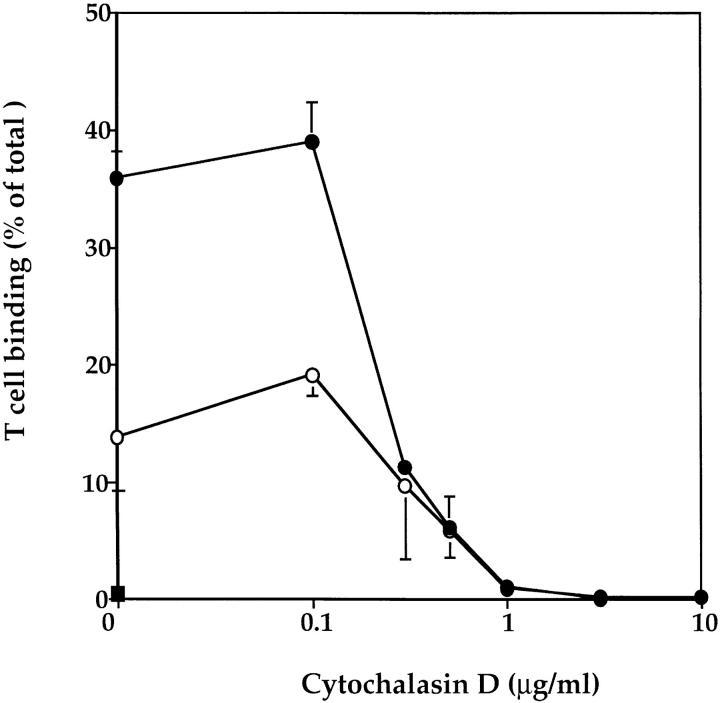
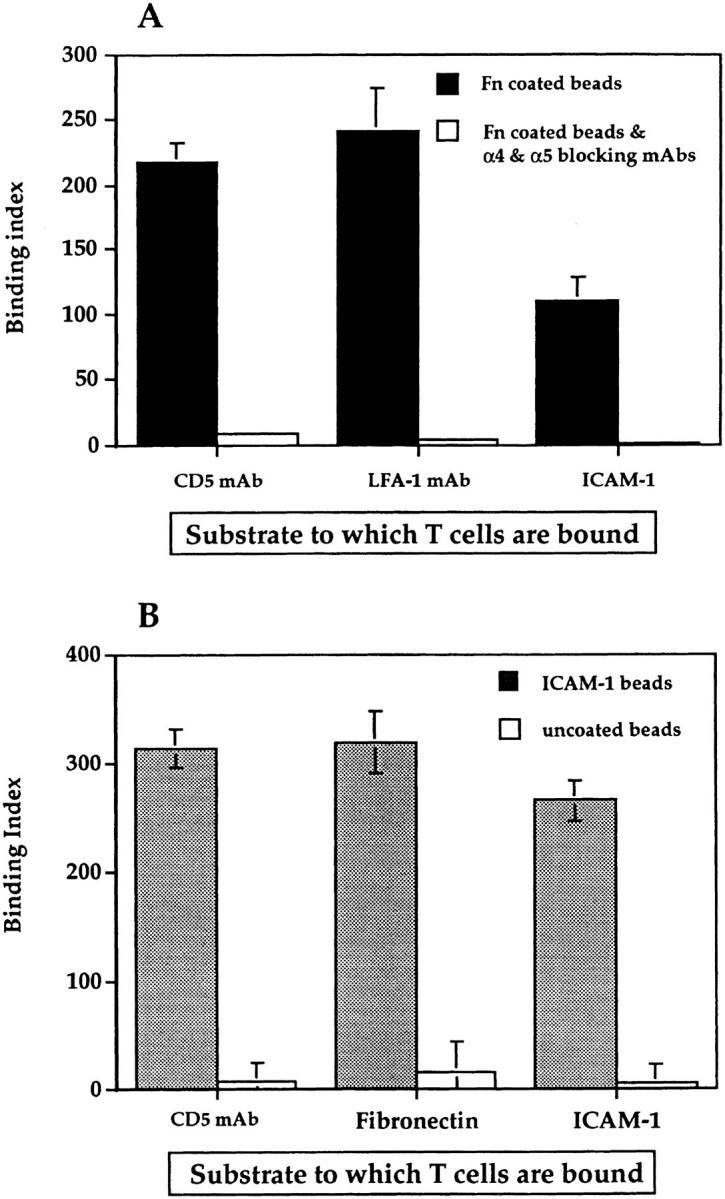
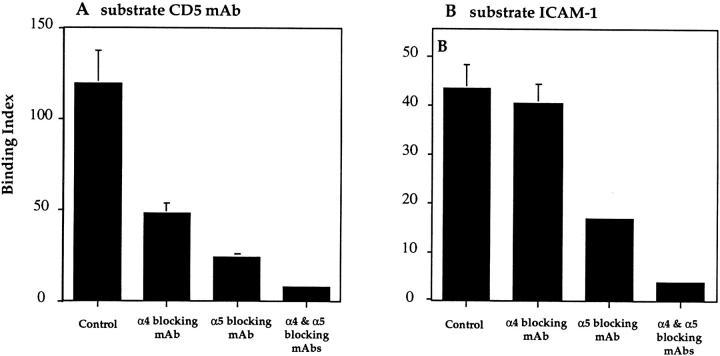
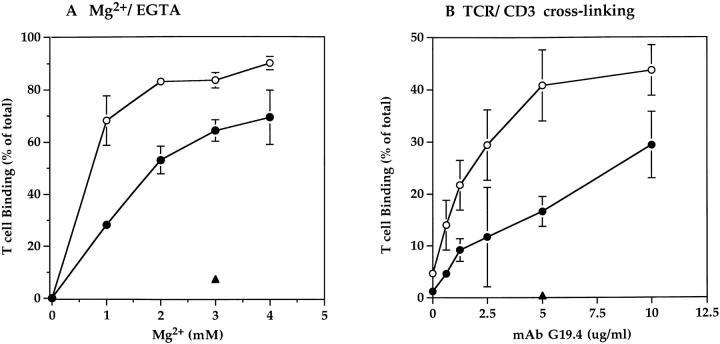
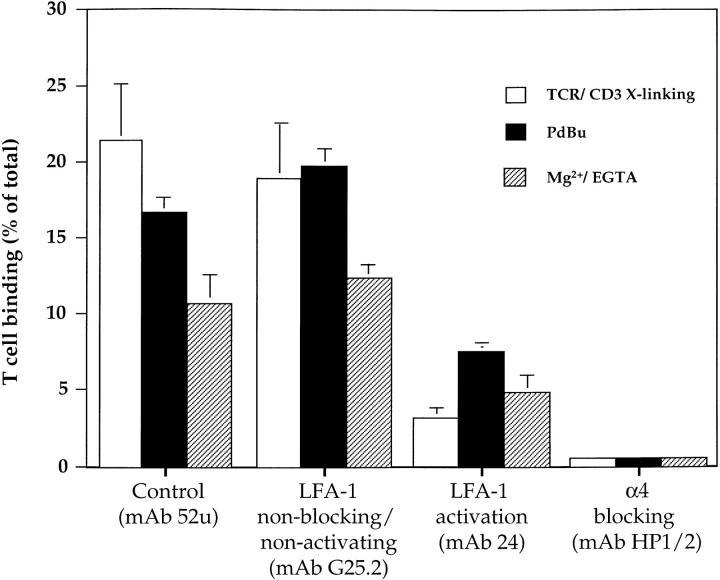
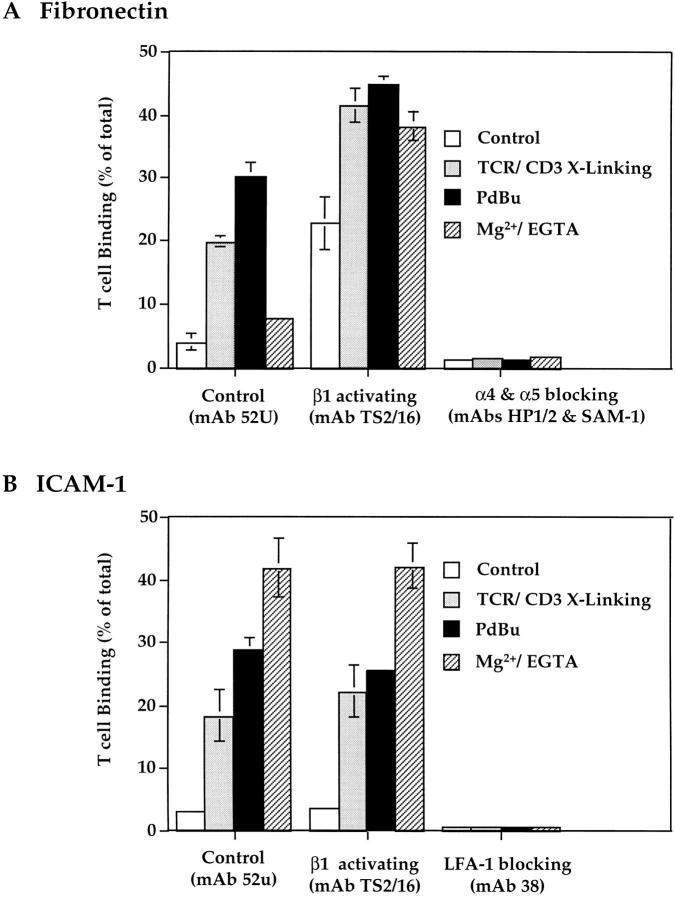
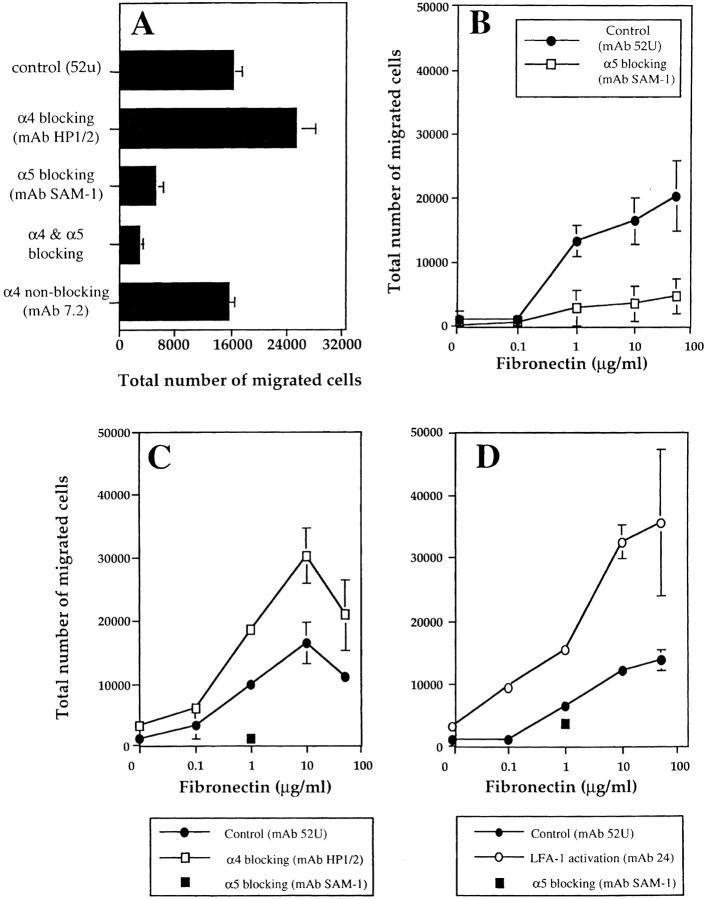
A regulated order of adhesion events directs leukocytes from the vascular compartment into injured tissues in response to inflammatory stimuli. We show that on human T cells, the interaction of the beta2 integrin leucocyte function-associated antigen-1 (LFA-1) with its ligand intercellular adhesion molecule-1 (ICAM-1) will decrease adhesion mediated by alpha4beta1 and, to a lesser extent, alpha5beta1. Similar inhibition is also seen when T cells are exposed to mAb 24, which stabilizes LFA-1 in an active state after triggering integrin function through divalent cation Mg2+, PdBu, or T cell receptor/ CD3 complex (TCR/CD3) cross-linking. Such cross talk decreases alpha4beta1 integrin-mediated binding of T cells to fibronectin and vascular cell adhesion molecule-1 (VCAM-1). In contrast, ligand occupancy or prolonged activation of beta1 integrin has no effect on LFA-1 adhesion to ICAM-1. We also show that T cell migration across fibronectin, unlike adhesion, is mediated solely by alpha5beta1, and is increased when the alpha4beta1-mediated component of fibronectin adhesion is decreased either by cross talk or the use of alpha4-blocking mAb. The ability of mAb 24 Fab' fragments to induce cross talk without cross-linking LFA-1 suggests signal transduction through the active integrin. These data provide the first direct evidence for cross talk between LFA-1 and beta1 integrins on T cells. Together, these findings imply that activation of LFA-1 on the extravasating T cell will decrease the binding to VCAM-1 while enhancing the subsequent migration on fibronectin. This sequence of events provides a further level of complexity to the coordination of T cell integrins, whose sequential but overlapping roles are essential for transmigration.
在炎症刺激下,一系列有序的黏附事件引导白细胞从血管腔进入受损组织。我们发现,在人类T细胞上,β2整合素白细胞功能相关抗原-1(LFA-1)与其配体细胞间黏附分子-1(ICAM-1)的相互作用会降低由α4β1介导的黏附,在较小程度上也会降低由α5β1介导的黏附。当T细胞暴露于单克隆抗体24时,也会观察到类似的抑制作用,该抗体通过二价阳离子Mg2+、PdBu或T细胞受体/CD3复合物(TCR/CD3)交联触发整合素功能后,将LFA-1稳定在活性状态。这种相互作用降低了α4β1整合素介导的T细胞与纤连蛋白和血管细胞黏附分子-1(VCAM-1)的结合。相反,β1整合素的配体占据或长时间激活对LFA-1与ICAM-1的黏附没有影响。我们还表明,与黏附不同,T细胞穿过纤连蛋白的迁移仅由α5β1介导,当通过相互作用或使用α4阻断单克隆抗体降低纤连蛋白黏附中由α4β1介导的成分时,迁移会增加。单克隆抗体24 Fab'片段在不交联LFA-1的情况下诱导相互作用的能力表明信号通过活性整合素进行转导。这些数据为T细胞上LFA-1和β1整合素之间的相互作用提供了首个直接证据。总之,这些发现意味着渗出T细胞上LFA-1的激活会降低与VCAM-1的结合,同时增强随后在纤连蛋白上的迁移。这一系列事件为T细胞整合素的协调增加了进一步的复杂性,其相继但重叠的作用对于迁移至关重要。



 Zotero 插件