
干扰素诱导T细胞α趋化因子(I-TAC):一种新型非ELR CXC趋化因子,通过与CXCR3选择性高亲和力结合,对活化T细胞具有强大活性。
Interferon-inducible T cell alpha chemoattractant (I-TAC): a novel non-ELR CXC chemokine with potent activity on activated T cells through selective high affinity binding to CXCR3.
作者信息
Cole K E, Strick C A, Paradis T J, Ogborne K T, Loetscher M, Gladue R P, Lin W, Boyd J G, Moser B, Wood D E, Sahagan B G, Neote K
机构信息
Department of Molecular Sciences, Central Research Division, Pfizer Inc., Groton, Connecticut 06340, USA.
出版信息
J Exp Med. 1998 Jun 15;187(12):2009-21. doi: 10.1084/jem.187.12.2009.
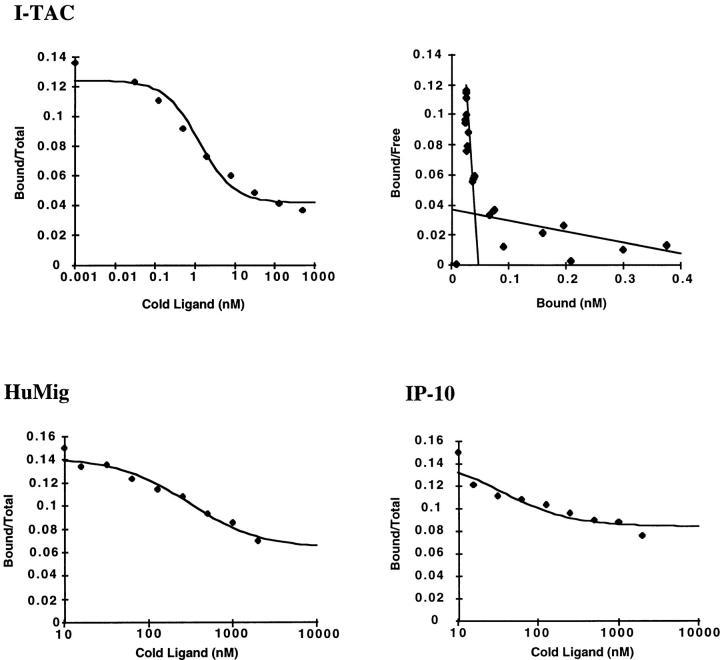
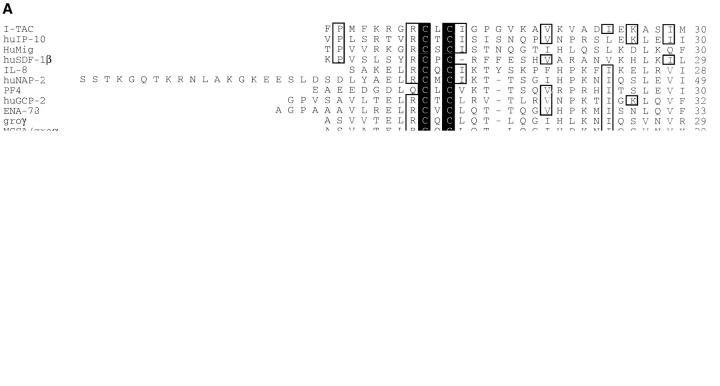
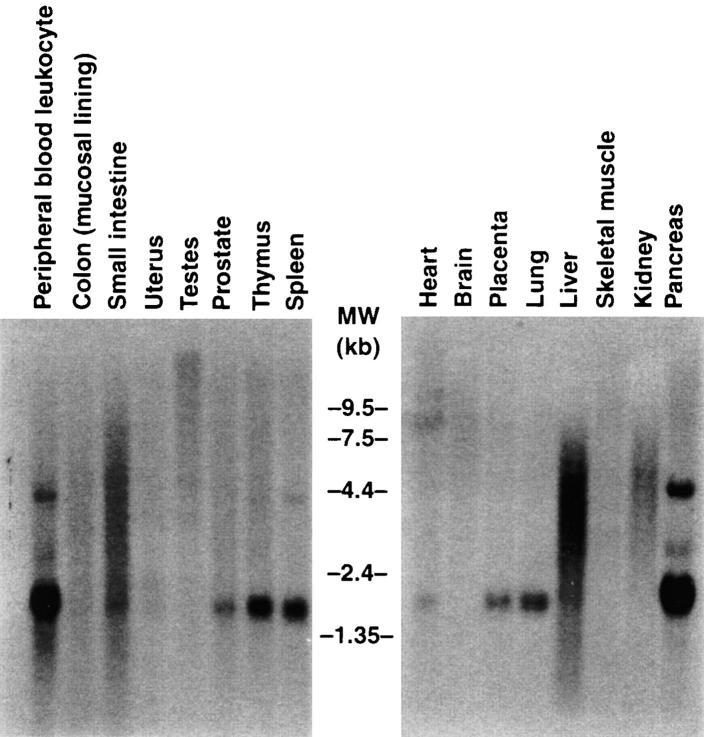
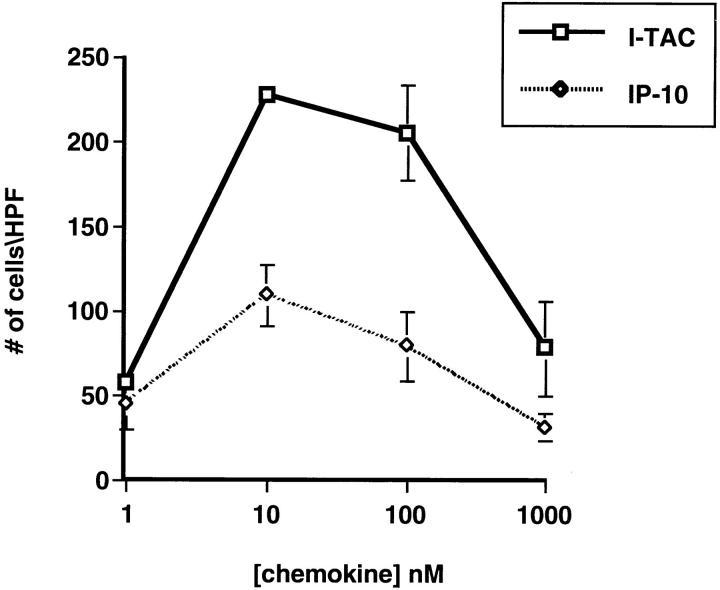
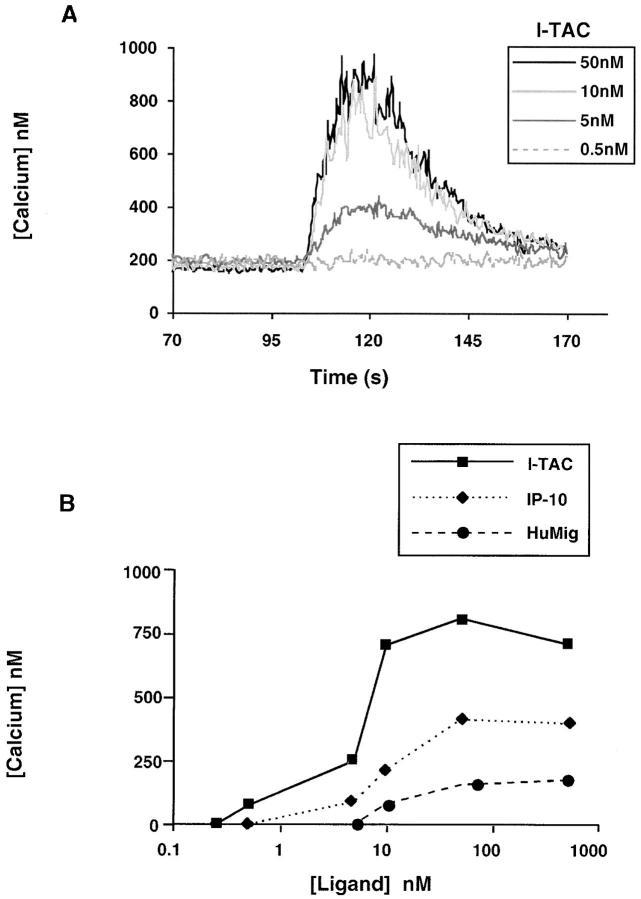
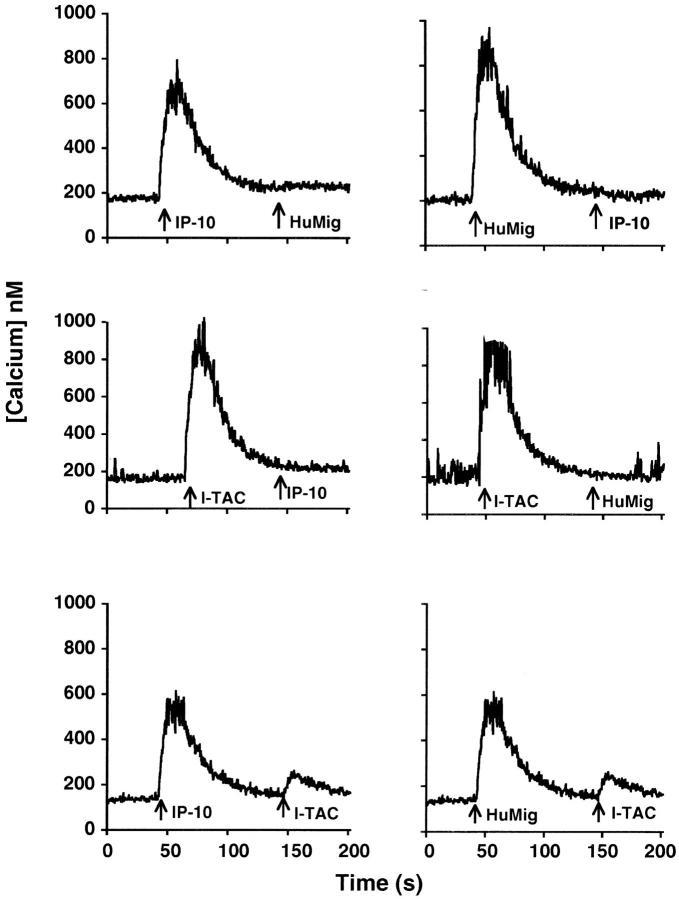
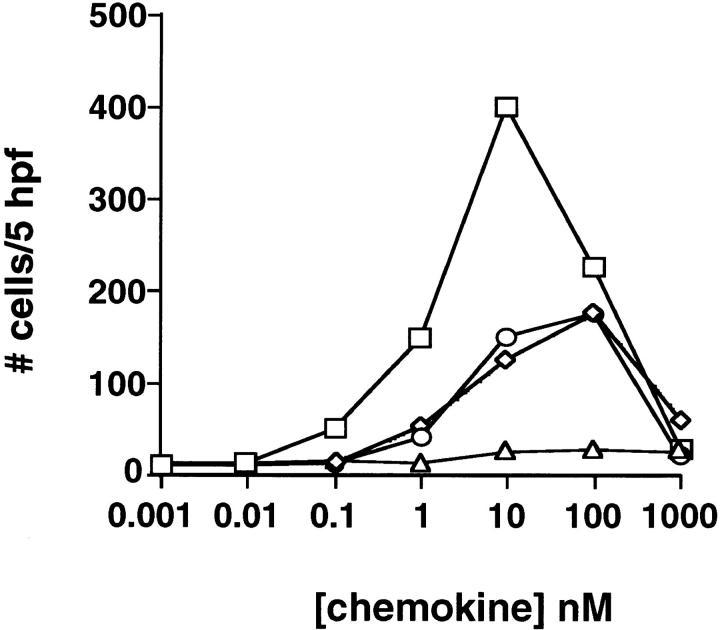
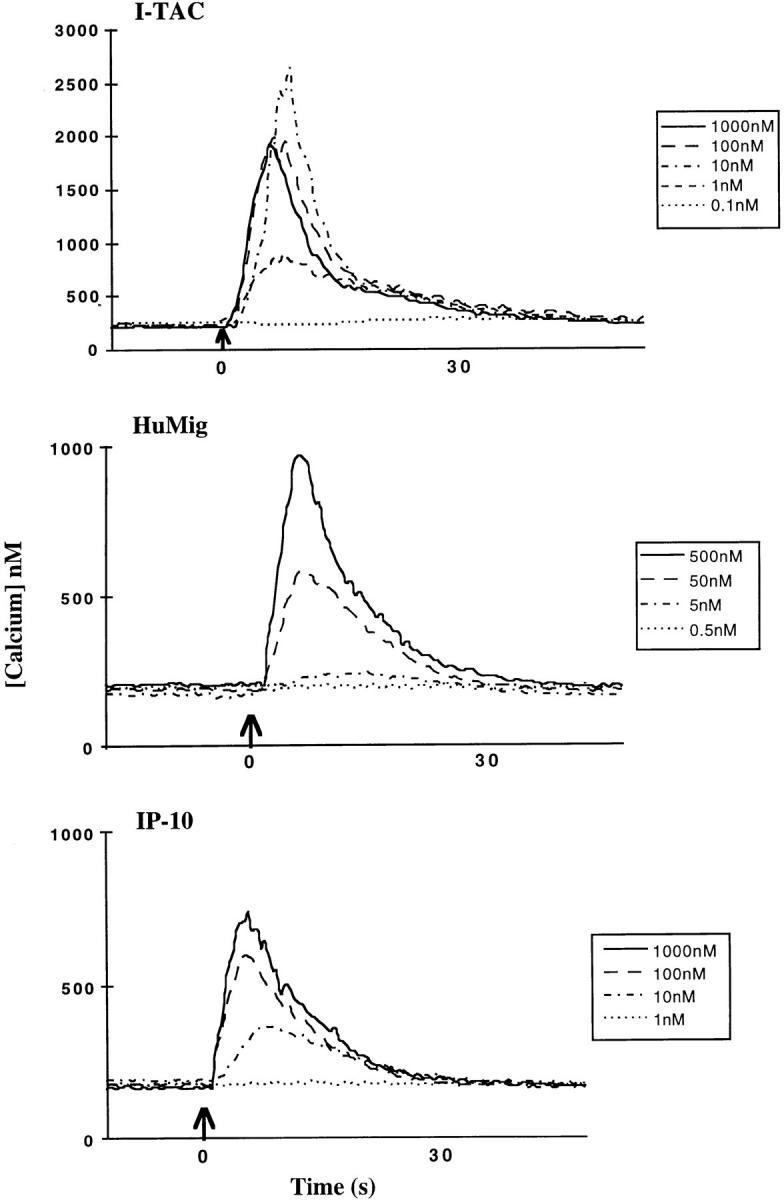
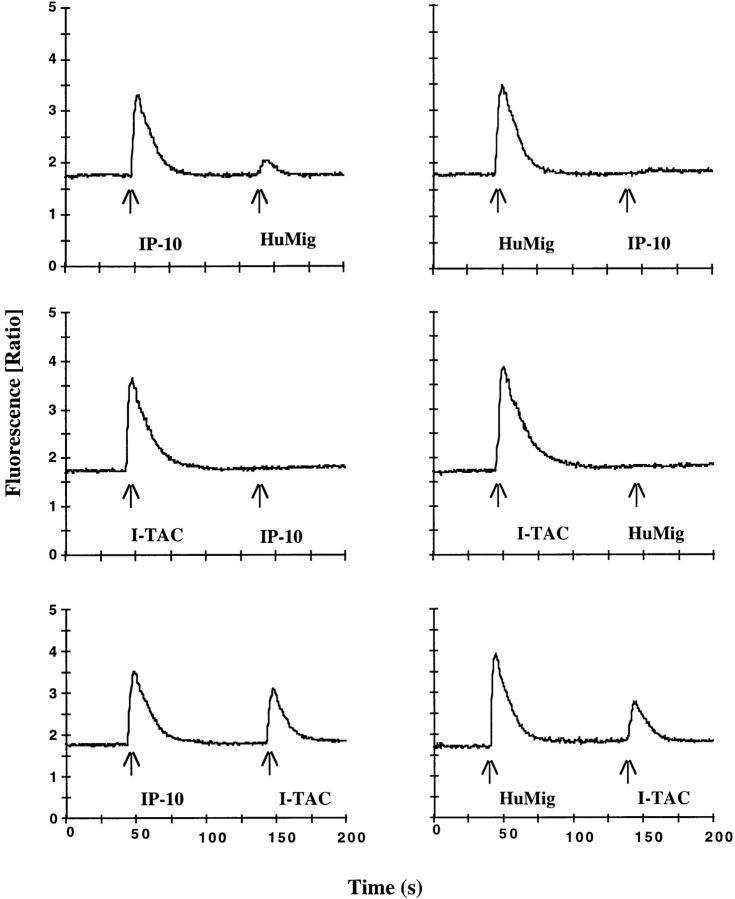
Chemokines are essential mediators of normal leukocyte trafficking as well as of leukocyte recruitment during inflammation. We describe here a novel non-ELR CXC chemokine identified through sequence analysis of cDNAs derived from cytokine-activated primary human astrocytes. This novel chemokine, referred to as I-TAC (interferon-inducible T cell alpha chemoattractant), is regulated by interferon (IFN) and has potent chemoattractant activity for interleukin (IL)-2-activated T cells, but not for freshly isolated unstimulated T cells, neutrophils, or monocytes. I-TAC interacts selectively with CXCR3, which is the receptor for two other IFN-inducible chemokines, the IFN-gamma-inducible 10-kD protein (IP-10) and IFN-gamma- induced human monokine (HuMig), but with a significantly higher affinity. In addition, higher potency and efficacy of I-TAC over IP-10 and HuMig is demonstrated by transient mobilization of intracellular calcium as well as chemotactic migration in both activated T cells and transfected cell lines expressing CXCR3. Stimulation of astrocytes with IFN-gamma and IL-1 together results in an approximately 400,000-fold increase in I-TAC mRNA expression, whereas stimulating monocytes with either of the cytokines alone or in combination results in only a 100-fold increase in the level of I-TAC transcript. Moderate expression is also observed in pancreas, lung, thymus, and spleen. The high level of expression in IFN- and IL-1-stimulated astrocytes suggests that I-TAC could be a major chemoattractant for effector T cells involved in the pathophysiology of neuroinflammatory disorders, although I-TAC may also play a role in the migration of activated T cells during IFN-dominated immune responses.
趋化因子是正常白细胞迁移以及炎症期间白细胞募集的重要介质。我们在此描述一种通过对源自细胞因子激活的原代人星形胶质细胞的cDNA进行序列分析而鉴定出的新型非ELR CXC趋化因子。这种新型趋化因子,称为I-TAC(干扰素诱导的T细胞α趋化因子),受干扰素(IFN)调节,对白细胞介素(IL)-2激活的T细胞具有强大的趋化活性,但对新鲜分离的未刺激T细胞、中性粒细胞或单核细胞则没有。I-TAC选择性地与CXCR3相互作用,CXCR3是另外两种干扰素诱导趋化因子即干扰素γ诱导的10-kD蛋白(IP-10)和干扰素γ诱导的人单核因子(HuMig)的受体,但亲和力明显更高。此外,通过细胞内钙的瞬时动员以及在激活的T细胞和表达CXCR3的转染细胞系中的趋化迁移,证明了I-TAC比IP-10和HuMig具有更高的效力和功效。用干扰素γ和白细胞介素-1共同刺激星形胶质细胞会导致I-TAC mRNA表达增加约400,000倍,而单独或联合使用这两种细胞因子刺激单核细胞只会导致I-TAC转录水平增加100倍。在胰腺、肺、胸腺和脾脏中也观察到适度表达。在干扰素和白细胞介素-刺激的星形胶质细胞中的高表达表明,I-TAC可能是参与神经炎症性疾病病理生理学的效应T细胞的主要趋化因子,尽管I-TAC在以干扰素为主的免疫反应期间激活的T细胞迁移中也可能起作用。

 Zotero 插件