
GSM(0.9/1.8GHz)手机的射频电磁辐射(RF-EMR)会导致大鼠氧化应激和精子活力下降。
Radio frequency electromagnetic radiation (RF-EMR) from GSM (0.9/1.8GHz) mobile phones induces oxidative stress and reduces sperm motility in rats.
机构信息
Department of Biochemistry, Melaka Manipal, Medical College, Manipal, India.
出版信息
Clinics (Sao Paulo). 2009;64(6):561-5. doi: 10.1590/s1807-59322009000600011.
INTRODUCTION
Mobile phones have become indispensable in the daily lives of men and women around the globe. As cell phone use has become more widespread, concerns have mounted regarding the potentially harmful effects of RF-EMR from these devices.
OBJECTIVE
The present study was designed to evaluate the effects of RF-EMR from mobile phones on free radical metabolism and sperm quality.
MATERIALS AND METHODS
Male albino Wistar rats (10-12 weeks old) were exposed to RF-EMR from an active GSM (0.9/1.8 GHz) mobile phone for 1 hour continuously per day for 28 days. Controls were exposed to a mobile phone without a battery for the same period. The phone was kept in a cage with a wooden bottom in order to address concerns that the effects of exposure to the phone could be due to heat emitted by the phone rather than to RF-EMR alone. Animals were sacrificed 24 hours after the last exposure and tissues of interest were harvested.
RESULTS
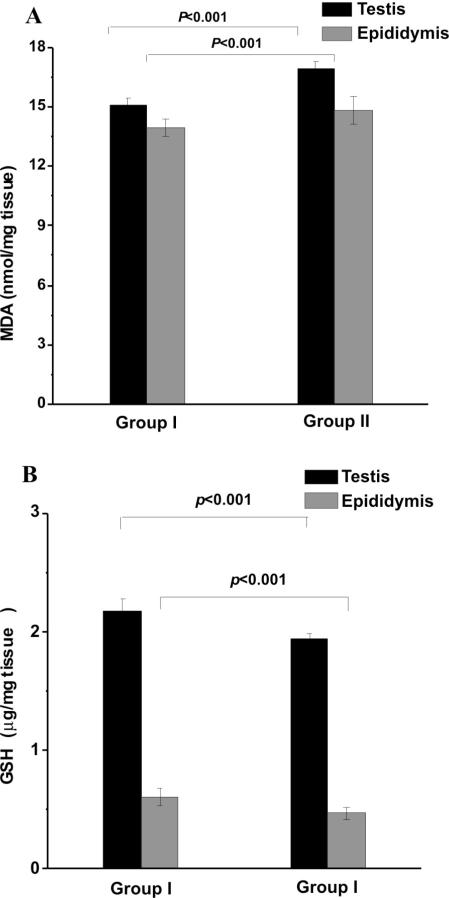
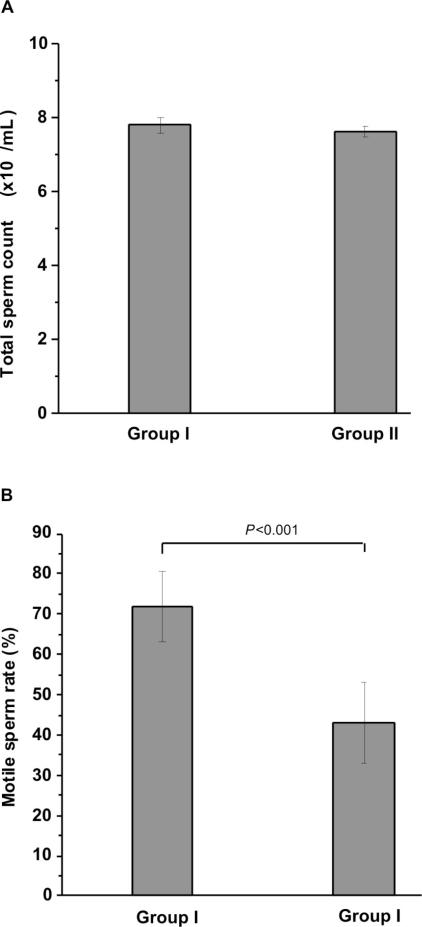
One hour of exposure to the phone did not significantly change facial temperature in either group of rats. No significant difference was observed in total sperm count between controls and RF-EMR exposed groups. However, rats exposed to RF-EMR exhibited a significantly reduced percentage of motile sperm. Moreover, RF-EMR exposure resulted in a significant increase in lipid peroxidation and low GSH content in the testis and epididymis.
CONCLUSION
Given the results of the present study, we speculate that RF-EMR from mobile phones negatively affects semen quality and may impair male fertility.
简介
手机已成为全球男女日常生活中不可或缺的一部分。随着手机使用的普及,人们对这些设备产生的射频电磁辐射(RF-EMR)可能产生的有害影响的担忧与日俱增。
目的
本研究旨在评估手机射频电磁辐射对自由基代谢和精子质量的影响。
材料与方法
雄性白化 Wistar 大鼠(10-12 周龄)连续 28 天每天接受 1 小时有源 GSM(0.9/1.8GHz)手机的射频电磁辐射暴露。对照组在相同时间内暴露于无电池的手机。为了解决因手机散热而不是仅因射频电磁辐射暴露导致的问题,将手机放在一个带有木制底盘的笼子里。动物在最后一次暴露后 24 小时处死,收获感兴趣的组织。
结果
手机暴露 1 小时,两组大鼠的面部温度均无显著变化。对照组和射频电磁辐射暴露组的总精子计数无显著差异。然而,暴露于射频电磁辐射的大鼠表现出显著减少的精子活动率。此外,射频电磁辐射暴露导致睾丸和附睾中的脂质过氧化和低 GSH 含量显著增加。
结论
根据本研究的结果,我们推测手机射频电磁辐射会对精液质量产生负面影响,并可能损害男性生育能力。
 Zotero 插件