
胶质母细胞瘤中的存活信号和抗细胞凋亡:靶向治疗的机会。
Survival signalling and apoptosis resistance in glioblastomas: opportunities for targeted therapeutics.
机构信息
Translational Cancer Research Group, Department of Biomedicine, University of Bergen, Jonas Lies vei 91, N-5009 Bergen, Norway.
出版信息
Mol Cancer. 2010 Jun 1;9:135. doi: 10.1186/1476-4598-9-135.
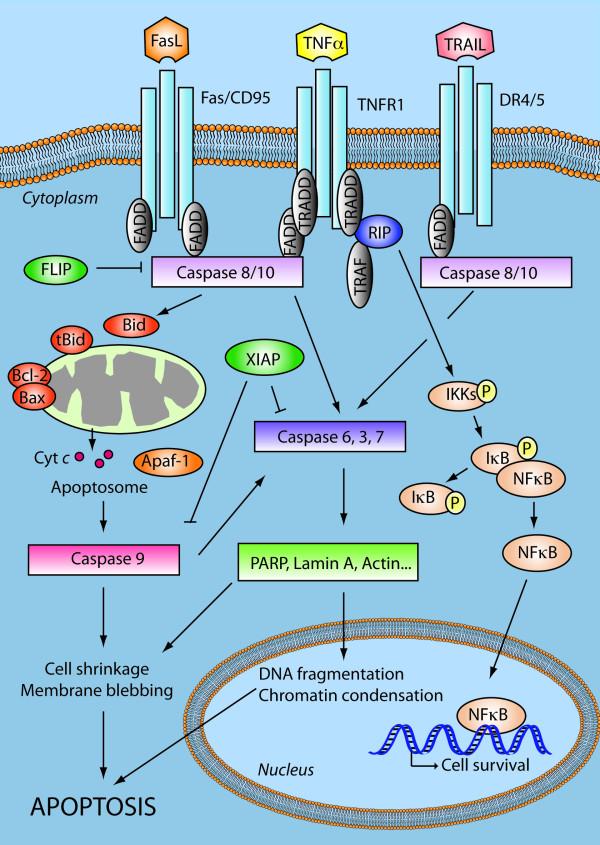
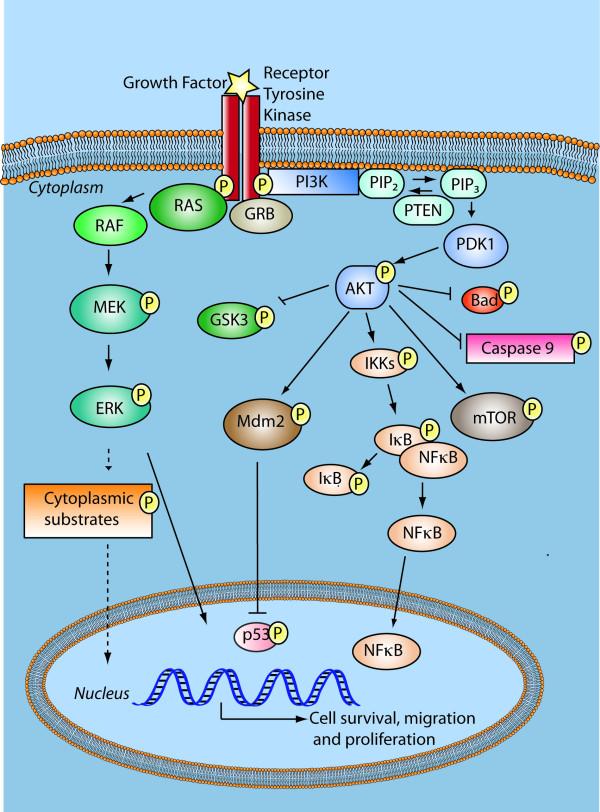
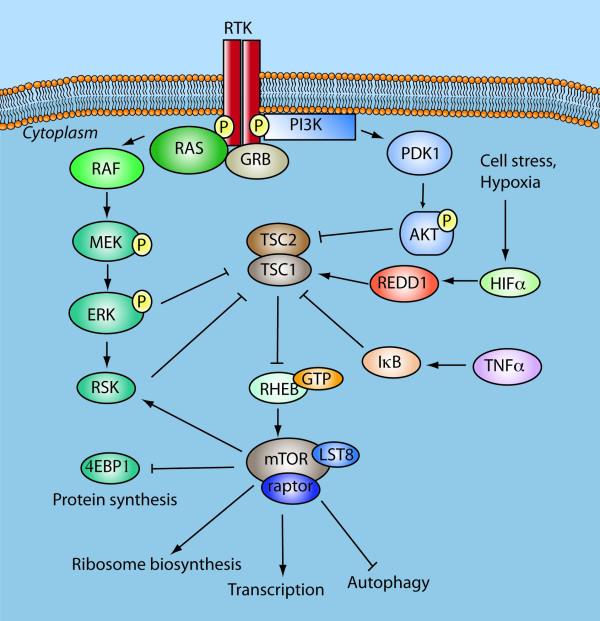
Glioblastoma multiforme (GBM) is the most common primary brain tumour in adults and one of the most aggressive cancers in man. Despite technological advances in surgical management, combined regimens of radiotherapy with new generation chemotherapy, the median survival for these patients is 14.6 months. This is largely due to a highly deregulated tumour genome with opportunistic deletion of tumour suppressor genes, amplification and/or mutational hyper-activation of receptor tyrosine kinase receptors. The net result of these genetic changes is augmented survival pathways and systematic defects in the apoptosis signalling machinery. The only randomised, controlled phase II trial conducted targeting the epidermal growth factor receptor (EGFR) signalling with the small molecule inhibitor, erlotinib, has showed no therapeutic benefit. Survival signalling and apoptosis resistance in GBMs can be viewed as two sides of the same coin. Targeting increased survival is unlikely to be efficacious without at the same time targeting apoptosis resistance. We have critically reviewed the literature regarding survival and apoptosis signalling in GBM, and highlighted experimental, preclinical and recent clinical trials attempting to target these pathways. Combined therapies simultaneously targeting apoptosis and survival signalling defects might shift the balance from tumour growth stasis to cytotoxic therapeutic responses that might be associated with greater therapeutic benefits.
多形性胶质母细胞瘤(GBM)是成人中最常见的原发性脑肿瘤,也是人类中最具侵袭性的癌症之一。尽管在手术管理方面取得了技术进步,结合新一代化疗的放疗方案,这些患者的中位生存期为 14.6 个月。这主要是由于肿瘤基因组高度失调,肿瘤抑制基因发生机会性缺失、受体酪氨酸激酶受体的扩增和/或突变过度激活。这些遗传变化的最终结果是存活途径的增加和细胞凋亡信号机制的系统缺陷。唯一一项针对表皮生长因子受体(EGFR)信号的靶向小分子抑制剂厄洛替尼的随机、对照 II 期试验显示没有治疗益处。GBM 中的存活信号和凋亡抵抗可以看作是同一枚硬币的两面。如果不同时针对凋亡抵抗,靶向增加的存活不太可能有效。我们对有关 GBM 中存活和凋亡信号的文献进行了批判性审查,并强调了尝试靶向这些途径的实验、临床前和最近的临床试验。同时靶向凋亡和存活信号缺陷的联合治疗可能会改变从肿瘤生长停滞到细胞毒性治疗反应的平衡,这可能与更大的治疗益处相关。
 Zotero 插件