
IL-6 在保护肺部免受 H1N1 流感病毒感染中的重要作用:促进中性粒细胞存活。
Essential role of IL-6 in protection against H1N1 influenza virus by promoting neutrophil survival in the lung.
机构信息
Department of Medicine/Immunobiology, The University of Vermont, Burlington, Vermont, USA.
出版信息
Mucosal Immunol. 2012 May;5(3):258-66. doi: 10.1038/mi.2012.2. Epub 2012 Feb 1.
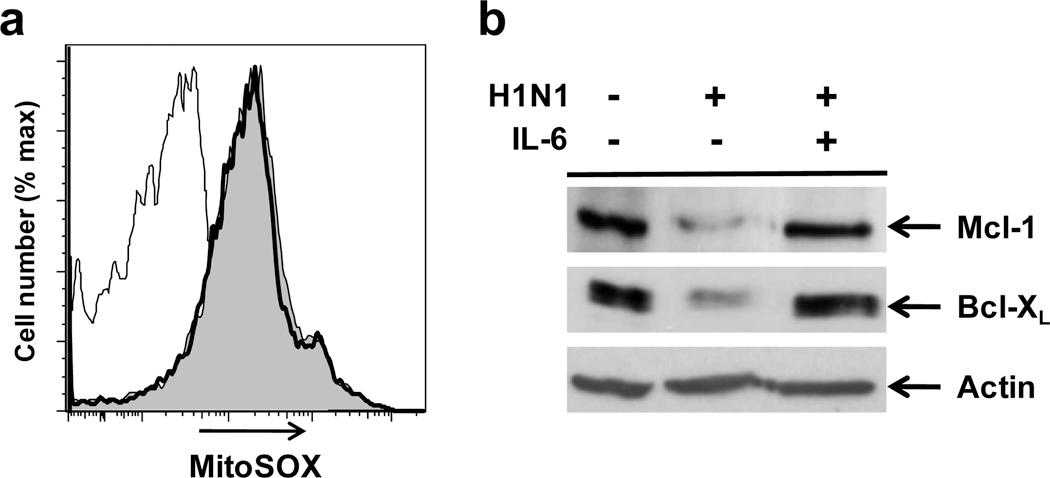
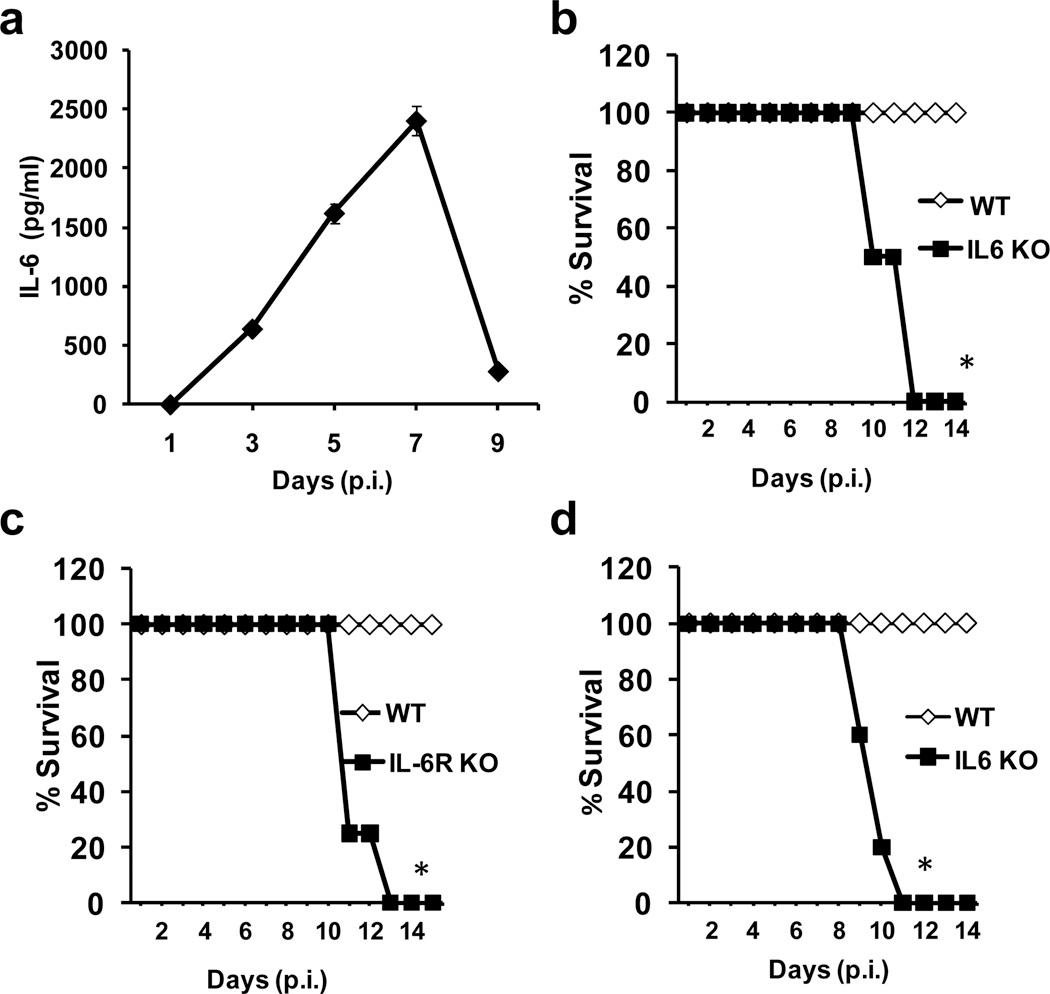
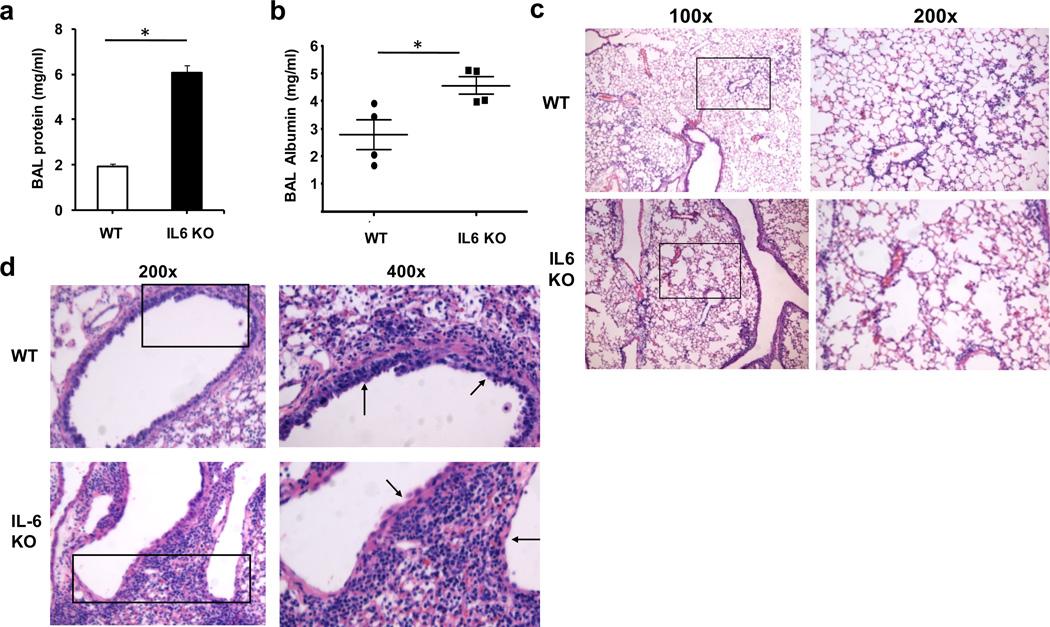
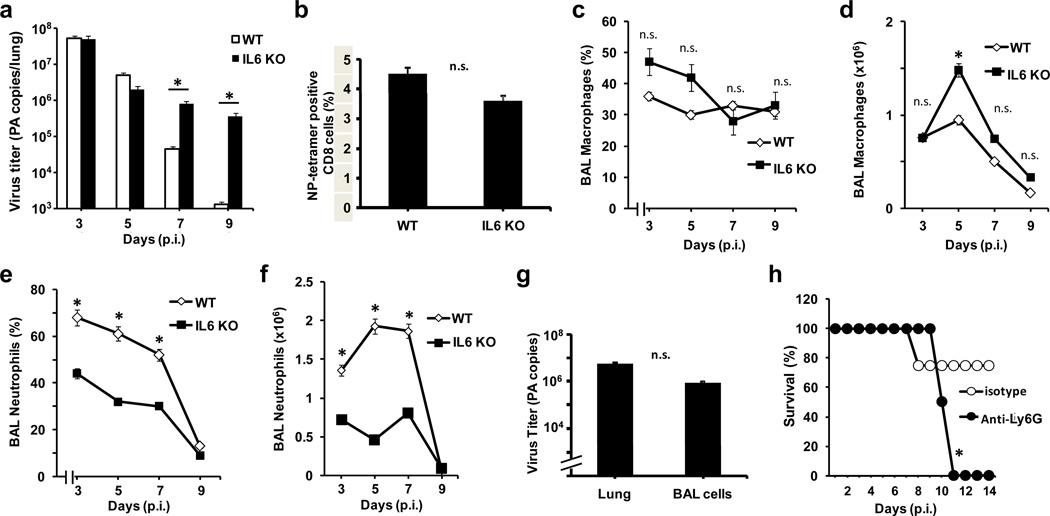
Influenza virus infection is considered a major worldwide public health problem. Seasonal infections with the most common influenza virus strains (e.g., H1N1) can usually be resolved, but they still cause a high rate of mortality. The factors that influence the outcome of the infection remain unclear. Here, we show that deficiency of interleukin (IL)-6 or IL-6 receptor is sufficient for normally sublethal doses of H1N1 influenza A virus to cause death in mice. IL-6 is necessary for resolution of influenza infection by protecting neutrophils from virus-induced death in the lung and by promoting neutrophil-mediated viral clearance. Loss of IL-6 results in persistence of the influenza virus in the lung leading to pronounced lung damage and, ultimately, death. Thus, we demonstrate that IL-6 is a vital innate immune cytokine in providing protection against influenza A infection. Genetic or environmental factors that impair IL-6 production or signaling could increase mortality to influenza virus infection.
流感病毒感染被认为是一个全球性的主要公共卫生问题。常见的流感病毒株(例如 H1N1)引起的季节性感染通常可以得到解决,但仍会导致高死亡率。影响感染结果的因素尚不清楚。在这里,我们表明白细胞介素 (IL)-6 或 IL-6 受体的缺乏足以使正常亚致死剂量的 H1N1 流感 A 病毒导致小鼠死亡。IL-6 通过保护肺中的中性粒细胞免受病毒诱导的死亡并促进中性粒细胞介导的病毒清除,对于流感感染的解决是必要的。IL-6 的缺失导致流感病毒在肺部持续存在,导致明显的肺损伤,并最终导致死亡。因此,我们证明了 IL-6 是提供针对甲型流感感染保护的重要先天免疫细胞因子。损害 IL-6 产生或信号传导的遗传或环境因素可能会增加流感病毒感染的死亡率。
 Zotero 插件