
红鲫×湘云鲫不同倍性杂种 5S rDNA 的组织与变异分析。
Organization and variation analysis of 5S rDNA in different ploidy-level hybrids of red crucian carp × topmouth culter.
机构信息
Key Laboratory of Protein Chemistry and Fish Developmental Biology of Education Ministry of China, College of Life Sciences, Hunan Normal University, Changsha, People's Republic of China.
出版信息
PLoS One. 2012;7(6):e38976. doi: 10.1371/journal.pone.0038976. Epub 2012 Jun 18.
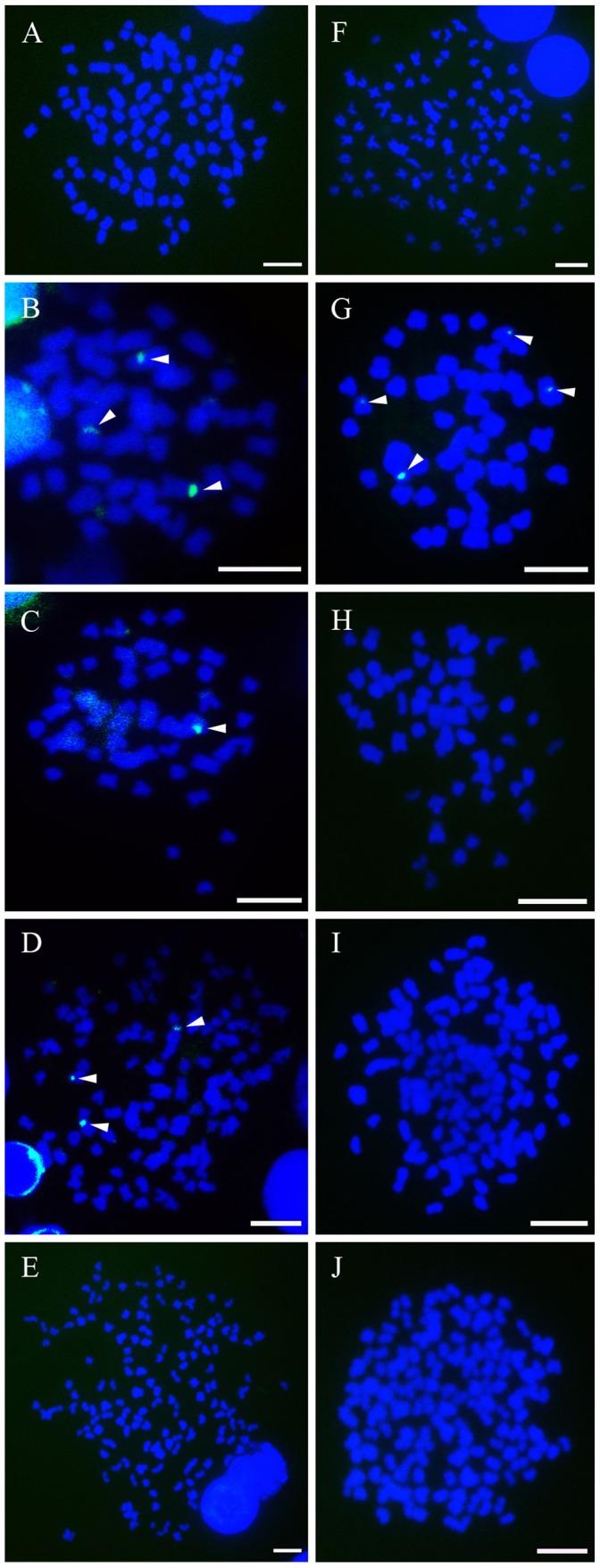
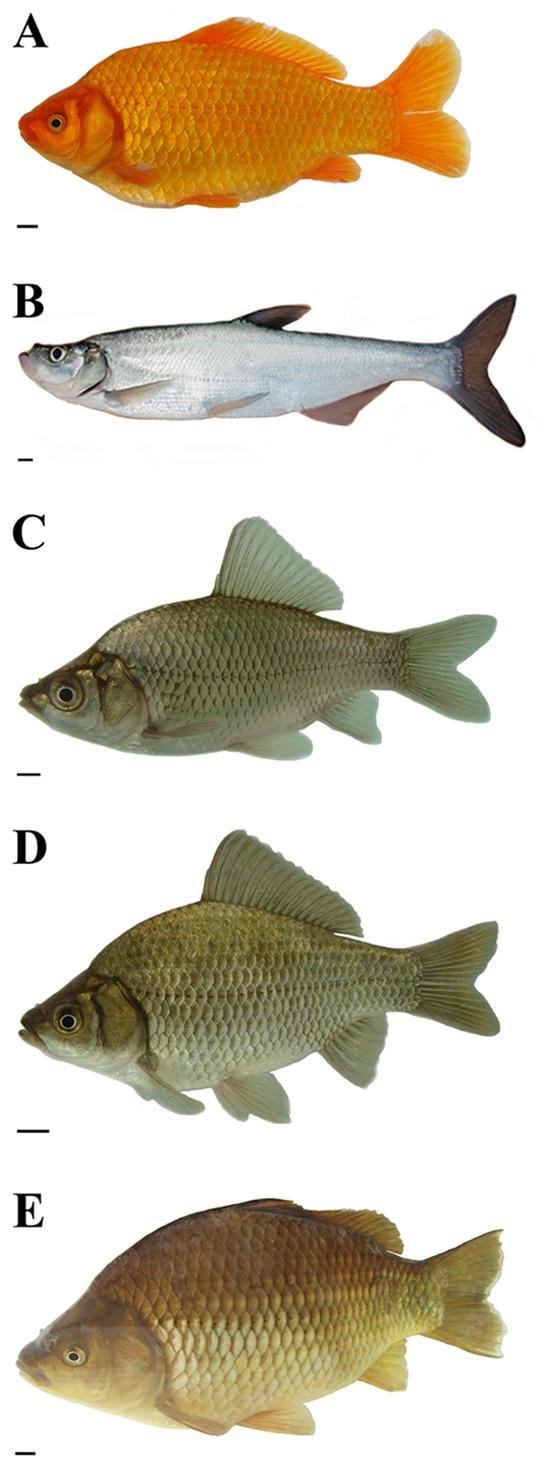
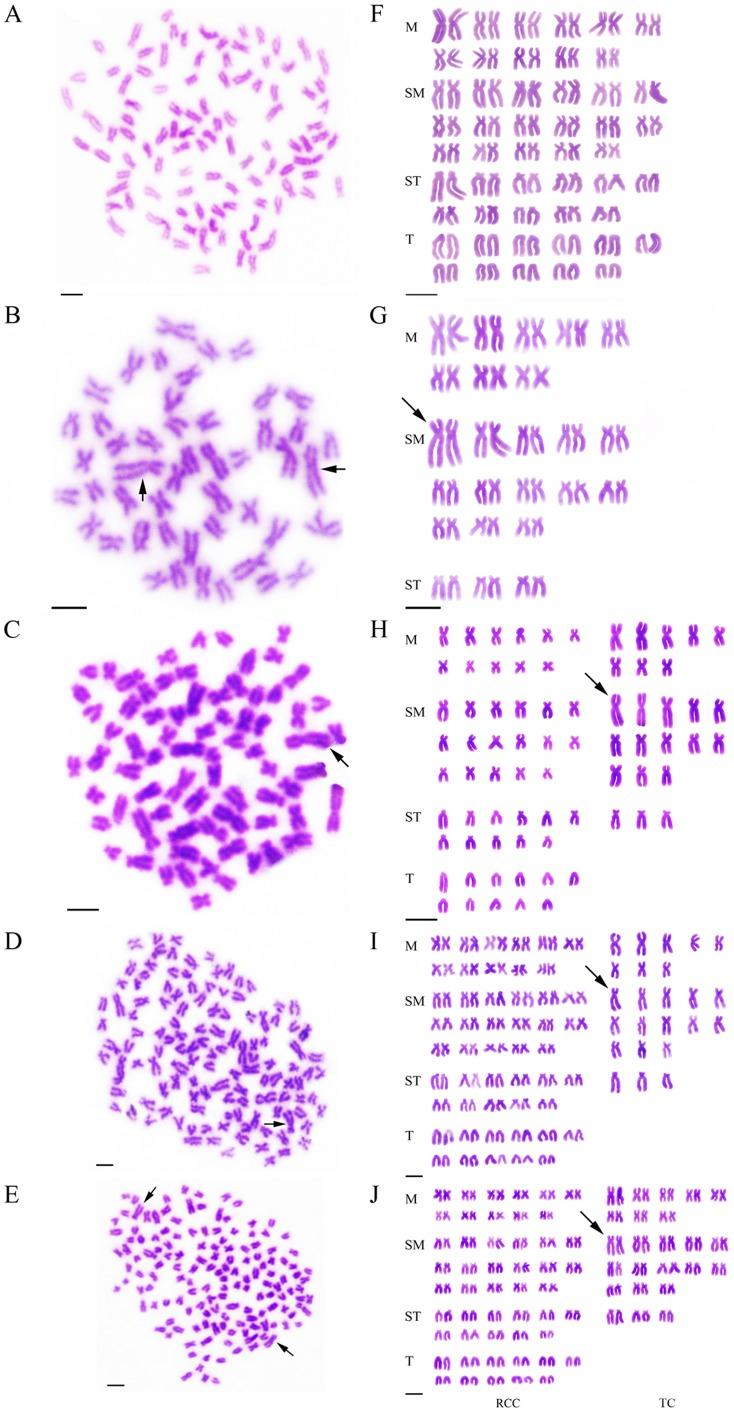
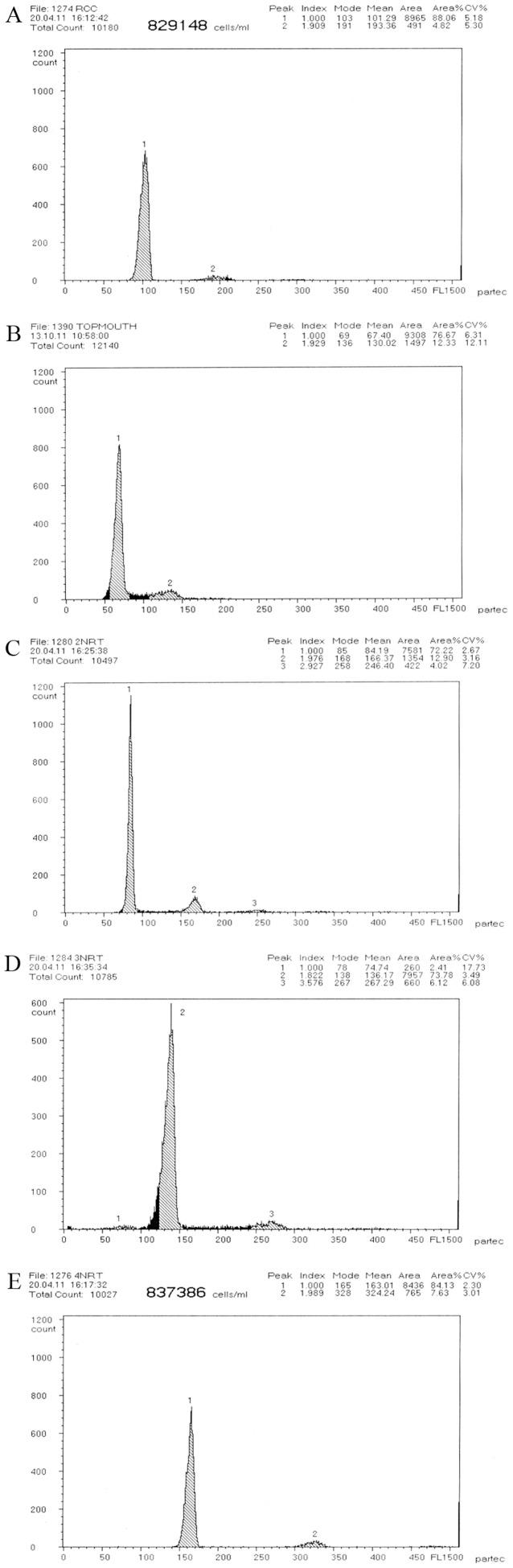
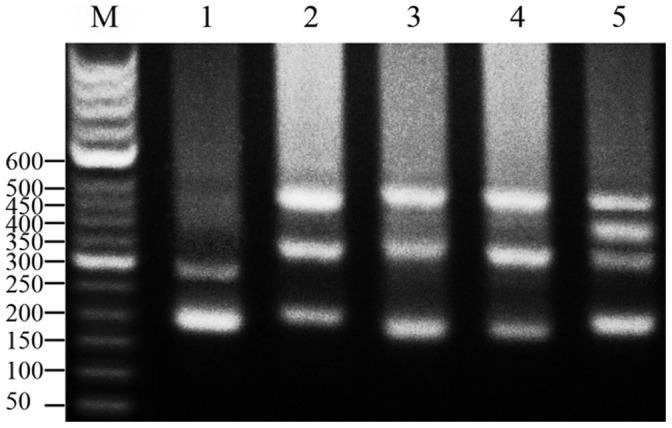
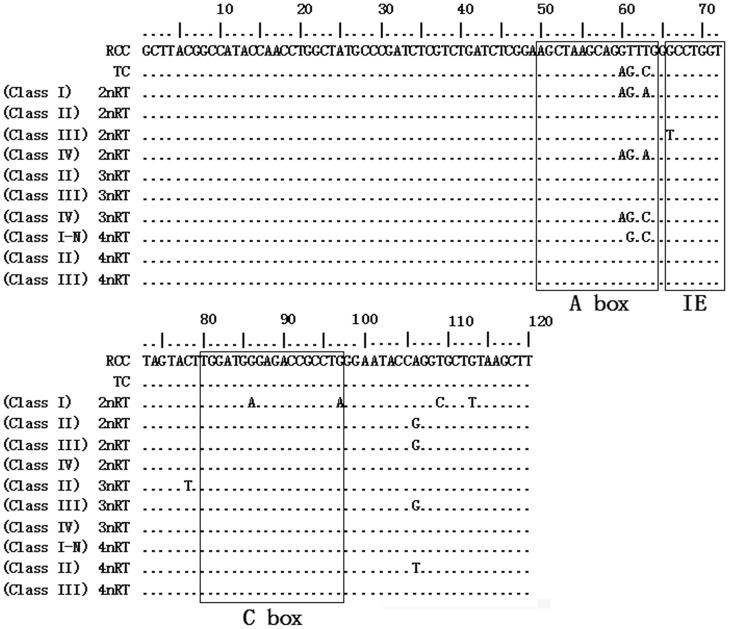
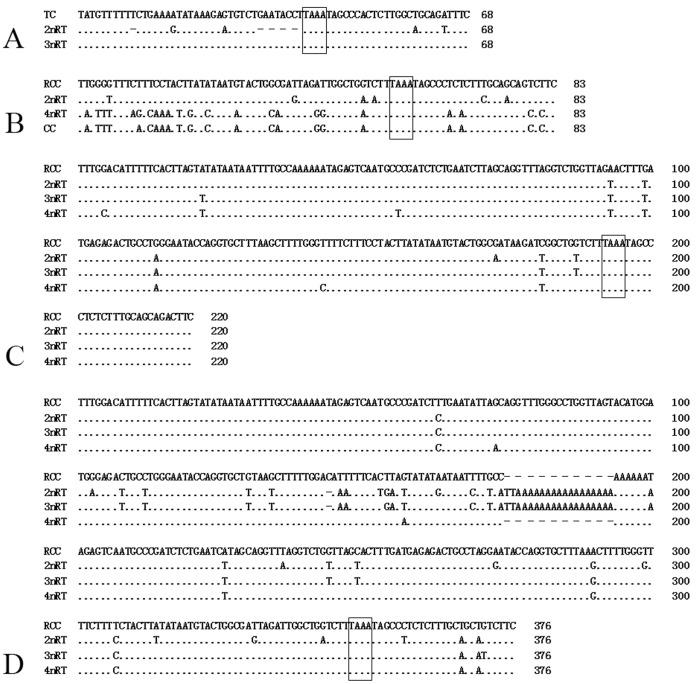
Through distant crossing, diploid, triploid and tetraploid hybrids of red crucian carp (Carassius auratus red var., RCC♀, Cyprininae, 2n = 100) × topmouth culter (Erythroculter ilishaeformis Bleeker, TC♂, Cultrinae, 2n = 48) were successfully produced. Diploid hybrids possessed 74 chromosomes with one set from RCC and one set from TC; triploid hybrids harbored 124 chromosomes with two sets from RCC and one set from TC; tetraploid hybrids had 148 chromosomes with two sets from RCC and two sets from TC. The 5S rDNA of the three different ploidy-level hybrids and their parents were sequenced and analyzed. There were three monomeric 5S rDNA classes (designated class I: 203 bp; class II: 340 bp; and class III: 477 bp) in RCC and two monomeric 5S rDNA classes (designated class IV: 188 bp, and class V: 286 bp) in TC. In the hybrid offspring, diploid hybrids inherited three 5S rDNA classes from their female parent (RCC) and only class IV from their male parent (TC). Triploid hybrids inherited class II and class III from their female parent (RCC) and class IV from their male parent (TC). Tetraploid hybrids gained class II and class III from their female parent (RCC), and generated a new 5S rDNA sequence (designated class I-N). The specific paternal 5S rDNA sequence of class V was not found in the hybrid offspring. Sequence analysis of 5S rDNA revealed the influence of hybridization and polyploidization on the organization and variation of 5S rDNA in fish. This is the first report on the coexistence in vertebrates of viable diploid, triploid and tetraploid hybrids produced by crossing parents with different chromosome numbers, and these new hybrids are novel specimens for studying the genomic variation in the first generation of interspecific hybrids, which has significance for evolution and fish genetics.
通过远缘杂交,成功获得了红鲫(Carassius auratus red var.,RCC♀,Cyprininae,2n=100)×翘嘴红鲌(Erythroculter ilishaeformis Bleeker,TC♂,Cultrinae,2n=48)的二倍体、三倍体和四倍体杂种。二倍体杂种具有 74 条染色体,一组来自 RCC,一组来自 TC;三倍体杂种具有 124 条染色体,两组来自 RCC,一组来自 TC;四倍体杂种具有 148 条染色体,两组来自 RCC,两组来自 TC。对这三种不同倍性水平的杂种及其亲本的 5S rDNA 进行了测序和分析。RCC 中有三个单体型 5S rDNA 类(命名为类 I:203bp;类 II:340bp;类 III:477bp),TC 中有两个单体型 5S rDNA 类(命名为类 IV:188bp,类 V:286bp)。在杂种后代中,二倍体杂种从其母本(RCC)继承了三个 5S rDNA 类,仅从其父本(TC)继承了类 IV。三倍体杂种从其母本(RCC)继承了类 II 和类 III,从其父本(TC)继承了类 IV。四倍体杂种从其母本(RCC)获得了类 II 和类 III,并产生了一个新的 5S rDNA 序列(命名为类 I-N)。杂种后代中未发现父本类 V 的特定 5S rDNA 序列。5S rDNA 序列分析揭示了杂交和多倍化对鱼类 5S rDNA 组织和变异的影响。这是首次报道在脊椎动物中存在由具有不同染色体数的亲本杂交产生的可育二倍体、三倍体和四倍体杂种,这些新杂种是研究种间杂交第一代基因组变异的新型标本,对进化和鱼类遗传学具有重要意义。

 Zotero 插件