
在转基因小鼠的胰腺肿瘤发生中,宿主基质细胞和组织纤维化的参与。
Involvement of host stroma cells and tissue fibrosis in pancreatic tumor development in transgenic mice.
机构信息
Institute of Animal Sciences, The Volcani Center, Bet Dagan, Israel.
出版信息
PLoS One. 2012;7(7):e41833. doi: 10.1371/journal.pone.0041833. Epub 2012 Jul 25.
INTRODUCTION
Stroma cells and extracellular matrix (ECM) components provide the pivotal microenvironment for tumor development. The study aimed to evaluate the importance of the pancreatic stroma for tumor development.
METHODS
Pancreatic tumor cells were implanted subcutaneously into green fluorescent protein transgenic mice, and stroma cells invading the tumors were identified through immunohistochemistry. Inhibition of tumor invasion by stroma cells was achieved with halofuginone, an inhibitor of TGFβ/Smad3 signaling, alone or in combination with chemotherapy. The origin of tumor ECM was evaluated with species-specific collagen I antibodies and in situ hybridization of collagen α1(I) gene. Pancreatic fibrosis was induced by cerulean injection and tumors by spleen injection of pancreatic tumor cells.
RESULTS
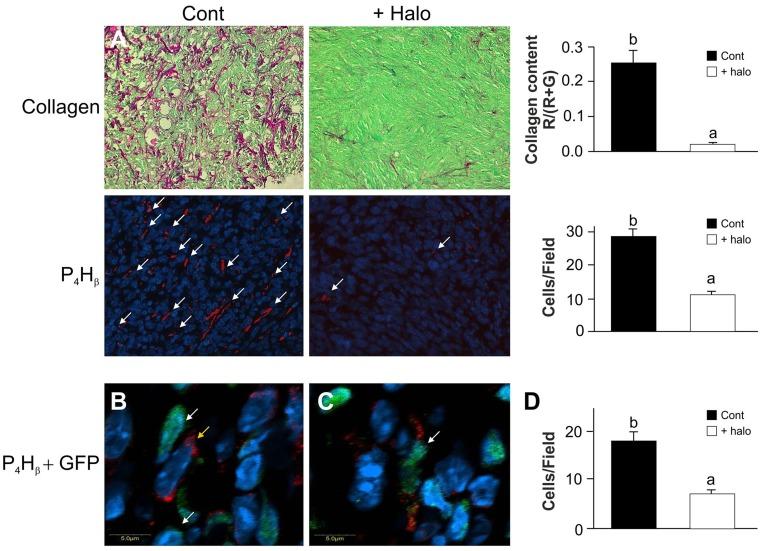
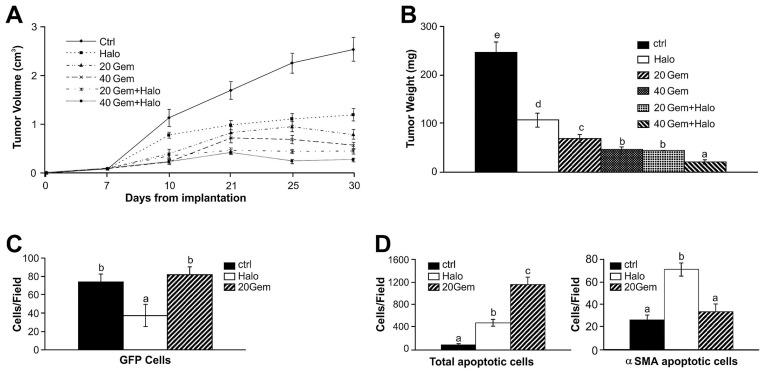
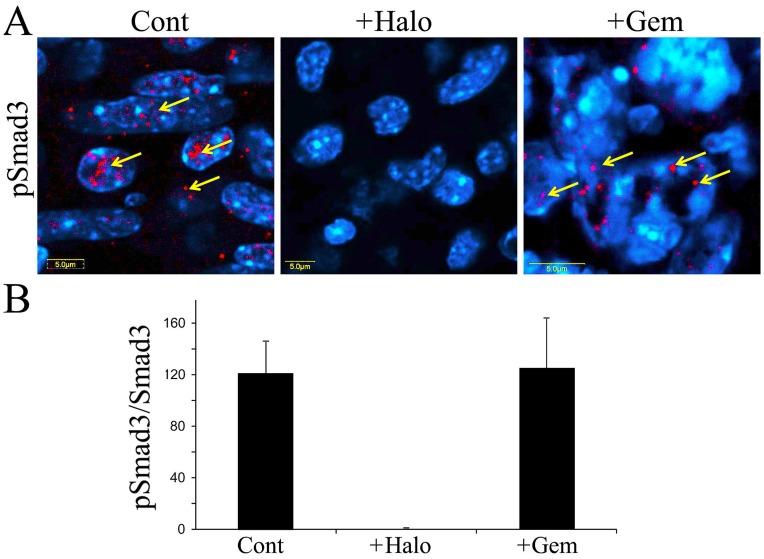
Inhibition of stroma cell infiltration and reduction of tumor ECM levels by halofuginone inhibited development of tumors derived from mouse and human pancreatic cancer cells. Halofuginone reduced the number only of stroma myofibroblasts expressing both contractile and collagen biosynthesis markers. Both stroma myofibroblasts and tumor cells generated ECM that contributes to tumor growth. Combination of treatments that inhibit stroma cell infiltration, cause apoptosis of myofibroblasts and inhibit Smad3 phosphorylation, with chemotherapy that increases tumor-cell apoptosis without affecting Smad3 phosphorylation was more efficacious than either treatment alone. More tumors developed in fibrotic than in normal pancreas, and prevention of tissue fibrosis greatly reduced tumor development.
CONCLUSIONS
The utmost importance of tissue fibrosis and of stroma cells for tumor development presents potential new therapy targets, suggesting combination therapy against stroma and neoplastic cells as a treatment of choice.
简介
基质细胞和细胞外基质(ECM)成分构成了肿瘤发展的关键微环境。本研究旨在评估胰腺基质对肿瘤发展的重要性。
方法
将胰腺肿瘤细胞皮下植入 GFP 转基因小鼠体内,通过免疫组织化学鉴定侵袭肿瘤的基质细胞。单独或联合化疗,用 TGFβ/Smad3 信号通路抑制剂——halofuginone 抑制基质细胞对肿瘤的侵袭。用种属特异性的 I 型胶原抗体和 I 型胶原α1 基因的原位杂交评估肿瘤 ECM 的来源。用 cerulean 注射诱导胰腺纤维化,用脾脏注射胰腺肿瘤细胞诱导肿瘤。
结果
halofuginone 抑制基质细胞浸润和减少肿瘤 ECM 水平,抑制了来自小鼠和人胰腺癌细胞的肿瘤发展。halofuginone 减少了表达收缩和胶原生物合成标志物的基质肌成纤维细胞的数量。基质肌成纤维细胞和肿瘤细胞都产生 ECM,促进肿瘤生长。抑制基质细胞浸润、导致肌成纤维细胞凋亡和抑制 Smad3 磷酸化的联合治疗,与不影响 Smad3 磷酸化的增加肿瘤细胞凋亡的化疗相比,更有效。纤维化组织中的肿瘤比正常胰腺中的肿瘤多,预防组织纤维化可大大减少肿瘤的发展。
结论
组织纤维化和基质细胞对肿瘤发展的极端重要性提出了潜在的新治疗靶点,提示针对基质和肿瘤细胞的联合治疗是一种治疗选择。




 Zotero 插件