
β-1,3-葡聚糖可以作为药物靶点,在刚地弓形虫和艾美耳球虫的卵囊壁中形成小梁支架。
β-1,3-glucan, which can be targeted by drugs, forms a trabecular scaffold in the oocyst walls of Toxoplasma and Eimeria.
机构信息
Department of Molecular and Cell Biology, Boston University Goldman School of Dental Medicine, Boston, Massachusetts, USA.
出版信息
mBio. 2012 Sep 25;3(5). doi: 10.1128/mBio.00258-12. Print 2012.
UNLABELLED
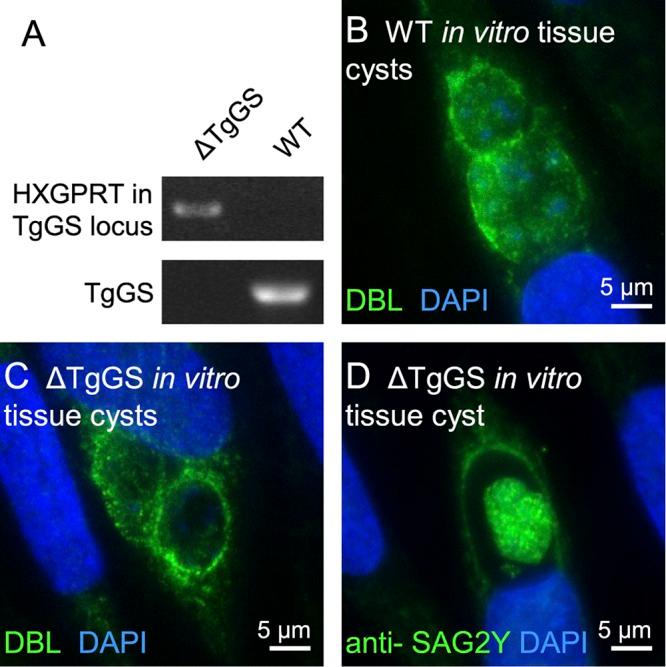
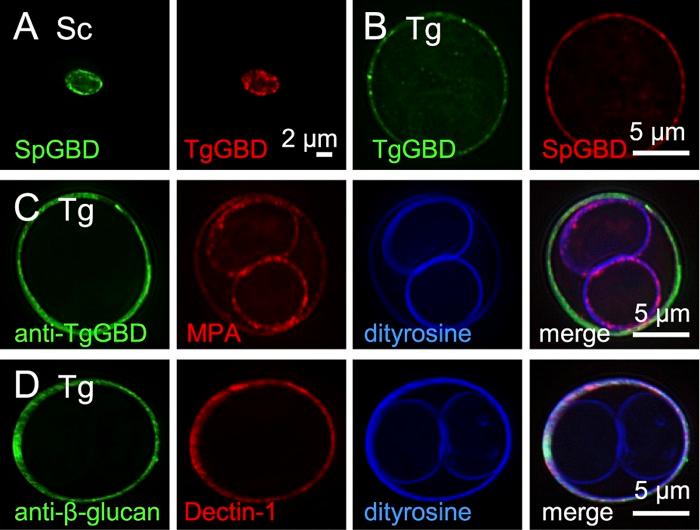
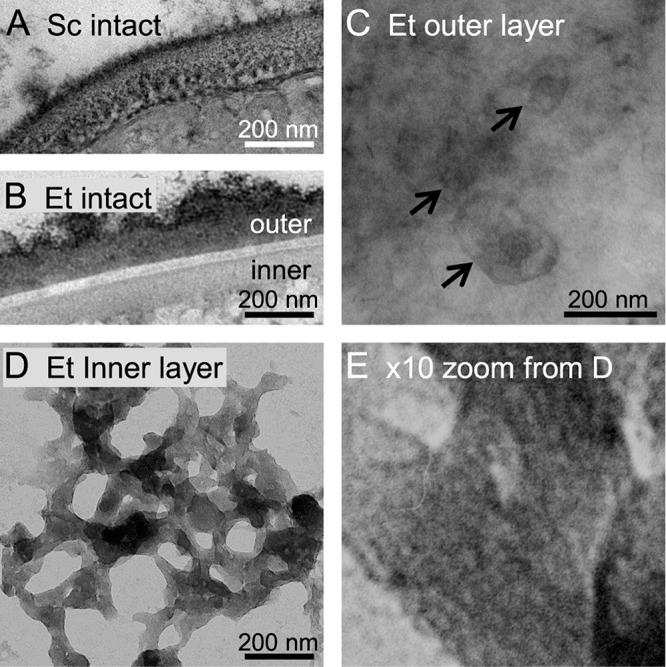
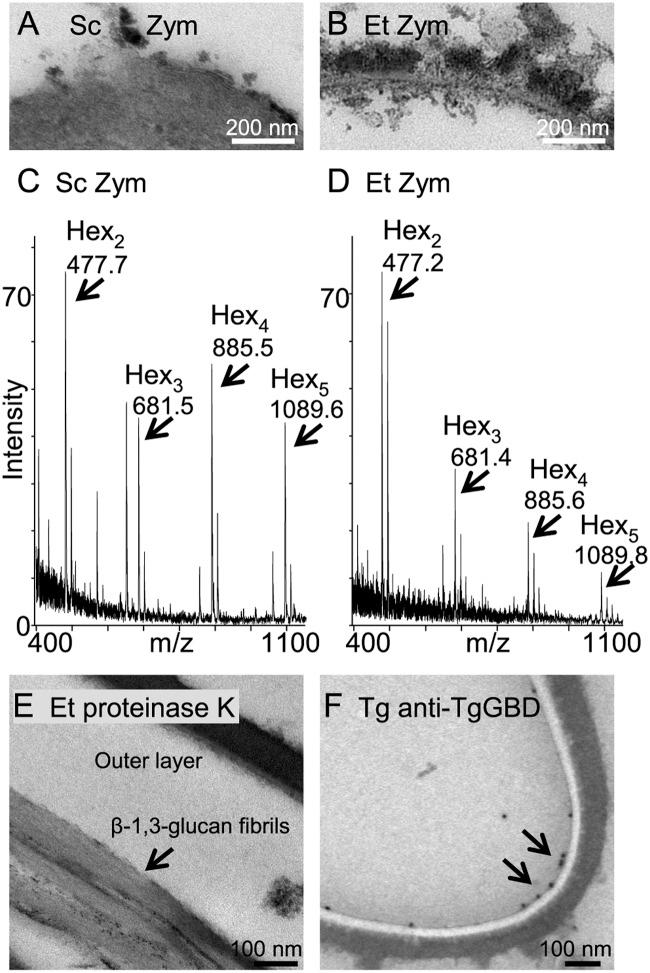
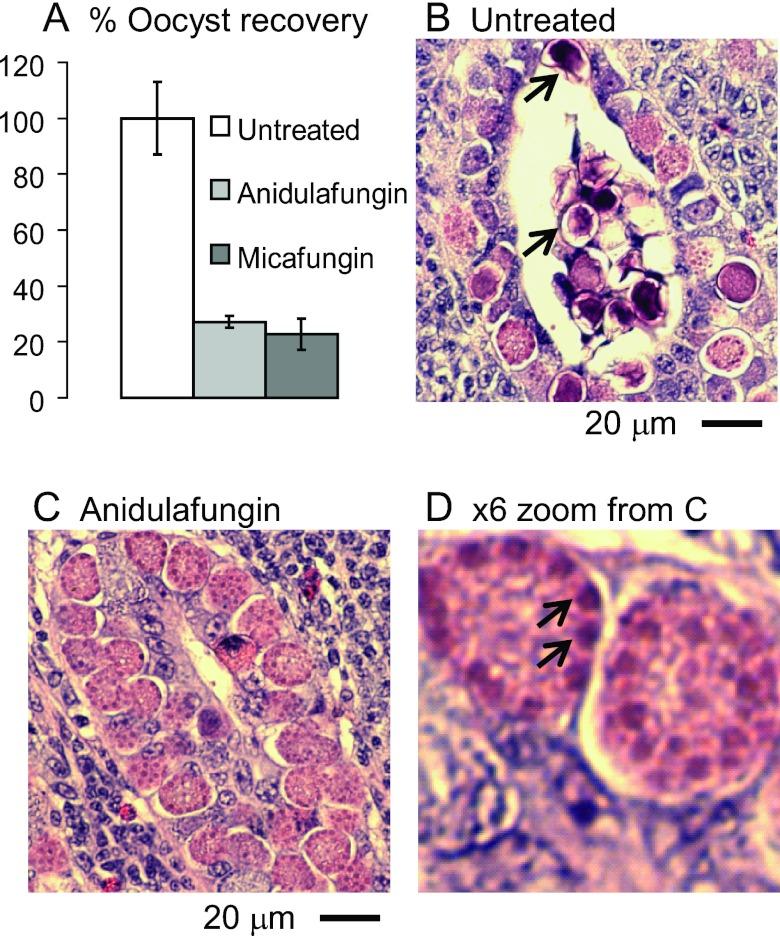
The walls of infectious pathogens, which are essential for transmission, pathogenesis, and diagnosis, contain sugar polymers that are defining structural features, e.g., β-1,3-glucan and chitin in fungi, chitin in Entamoeba cysts, β-1,3-GalNAc in Giardia cysts, and peptidoglycans in bacteria. The goal here was to determine in which of three walled forms of Toxoplasma gondii (oocyst, sporocyst, or tissue cyst) is β-1,3-glucan, the product of glucan synthases and glucan hydrolases predicted by whole-genome sequences of the parasite. The three most important discoveries were as follows. (i) β-1,3-glucan is present in oocyst walls of Toxoplasma and Eimeria (a chicken parasite that is a model for intestinal stages of Toxoplasma) but is absent from sporocyst and tissue cyst walls. (ii) Fibrils of β-1,3-glucan are part of a trabecular scaffold in the inner layer of the oocyst wall, which also includes a glucan hydrolase that has a novel glucan-binding domain. (iii) Echinocandins, which target the glucan synthase and kill fungi, arrest development of the Eimeria oocyst wall and prevent release of the parasites into the intestinal lumen. In summary, β-1,3-glucan, which can be targeted by drugs, is an important component of oocyst walls of Toxoplasma but is not a component of sporocyst and tissue cyst walls.
IMPORTANCE
We show here that walls of Toxoplasma oocysts, the infectious stage shed by cats, contain β-1,3-glucan, a sugar polymer that is a major component of fungal walls. In contrast to fungi, β-1,3-glucan is part of a trabecular scaffold in the inner layer of the oocyst wall that is independent of the permeability barrier formed by the outer layer of the wall. While glucan synthase inhibitors kill fungi, these inhibitors arrest the development of the oocyst walls of Eimeria (an important chicken pathogen that is a surrogate for Toxoplasma) and block release of oocysts into the intestinal lumen. The absence of β-1,3-glucan in tissue cysts of Toxoplasma suggests that drugs targeted at the glucan synthase might be used to treat Eimeria in chickens but not to treat Toxoplasma in people.
未加标签
感染性病原体的壁对于传播、发病机制和诊断至关重要,其中包含糖聚合物,这些聚合物是定义结构特征的重要成分,例如真菌中的β-1,3-葡聚糖和几丁质、内阿米巴原虫包囊中的几丁质、贾第虫包囊中的β-1,3-GalNAc 和细菌中的肽聚糖。这里的目标是确定刚地弓形虫(卵囊、孢子囊或组织囊)的三种有壁形式中哪一种存在β-1,3-葡聚糖,这是寄生虫全基因组序列预测的葡聚糖合酶和葡聚糖水解酶的产物。三个最重要的发现如下。(i)β-1,3-葡聚糖存在于刚地弓形虫的卵囊壁和艾美球虫(一种鸡寄生虫,是刚地弓形虫肠道阶段的模型)中,但不存在于孢子囊和组织囊壁中。(ii)β-1,3-葡聚糖纤维是卵囊壁内层的小梁支架的一部分,该支架还包括一种具有新型葡聚糖结合结构域的葡聚糖水解酶。(iii)棘白菌素类药物靶向葡聚糖合酶并杀死真菌,可阻止艾美球虫卵囊壁的发育并防止寄生虫释放到肠腔中。总之,可被药物靶向的β-1,3-葡聚糖是刚地弓形虫卵囊壁的重要组成部分,但不是孢子囊和组织囊壁的组成部分。
重要性
我们在这里表明,猫排出的传染性阶段卵囊的壁含有β-1,3-葡聚糖,这是一种多糖聚合物,是真菌壁的主要成分。与真菌不同,β-1,3-葡聚糖是卵囊壁内层小梁支架的一部分,与壁外层形成的渗透性屏障无关。虽然葡聚糖合酶抑制剂可以杀死真菌,但这些抑制剂会阻止艾美球虫卵囊壁的发育并阻止卵囊释放到肠腔中。刚地弓形虫组织囊缺乏β-1,3-葡聚糖表明,靶向葡聚糖合酶的药物可能用于治疗鸡中的艾美球虫,但不能用于治疗人体内的刚地弓形虫。

 Zotero 插件