
评估纳米颗粒在微载体细胞培养系统中的长期效应。
Assessment of long-term effects of nanoparticles in a microcarrier cell culture system.
机构信息
Center for Medical Research, Medical University of Graz, Graz, Austria.
出版信息
PLoS One. 2013;8(2):e56791. doi: 10.1371/journal.pone.0056791. Epub 2013 Feb 14.
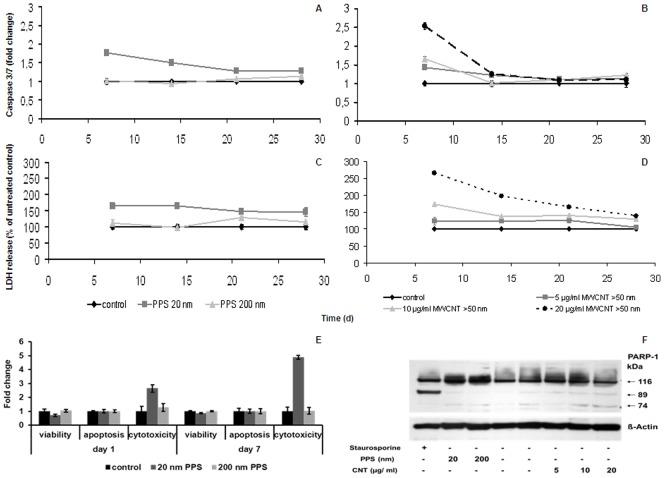
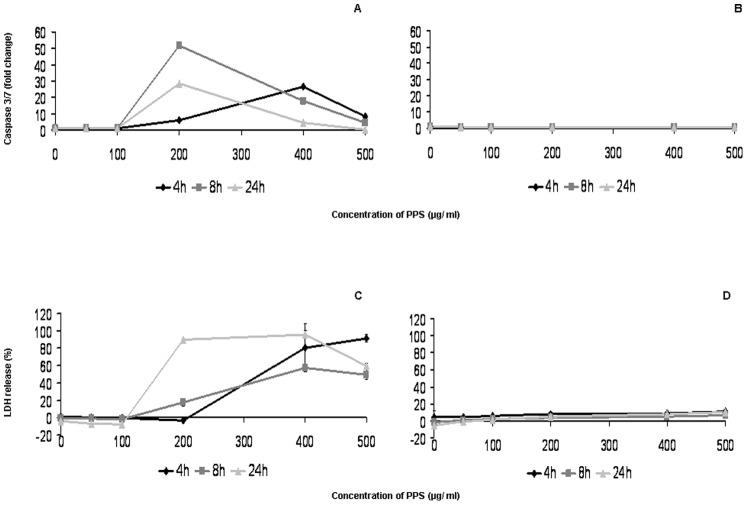
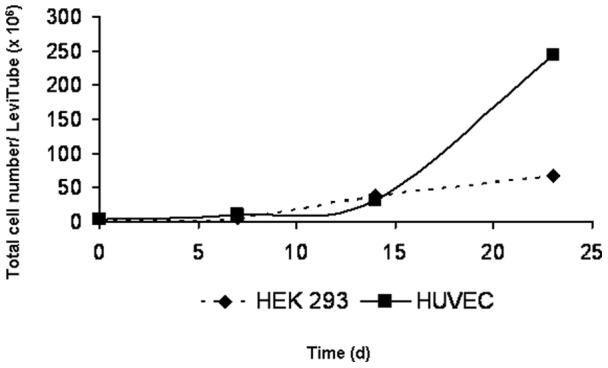
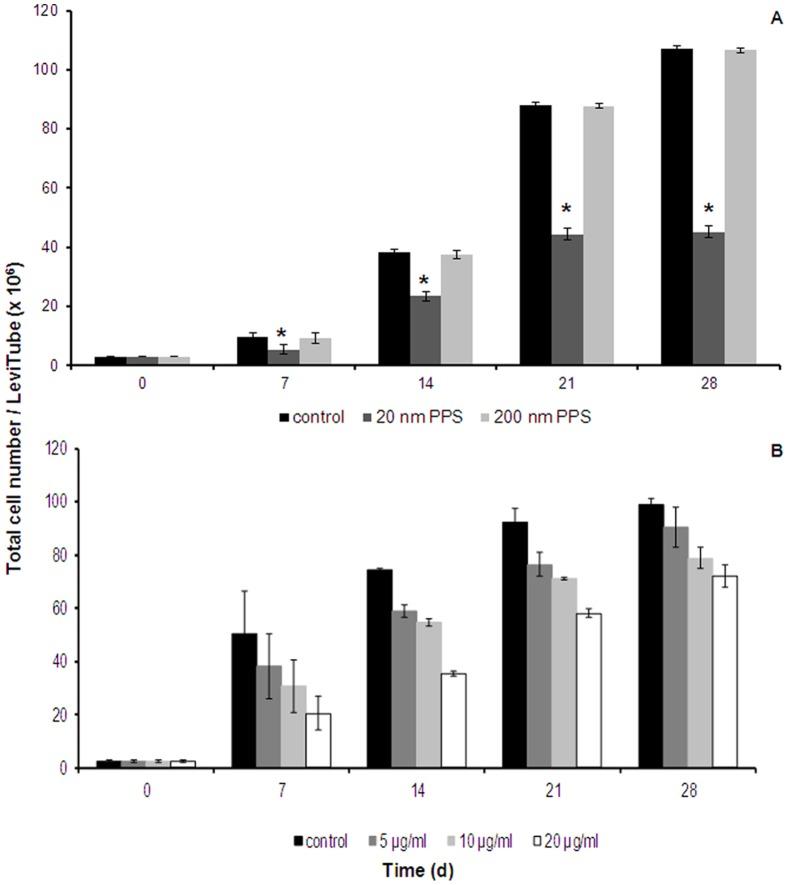
Nano-sized materials could find multiple applications in medical diagnosis and therapy. One main concern is that engineered nanoparticles, similar to combustion-derived nanoparticles, may cause adverse effects on human health by accumulation of entire particles or their degradation products. Chronic cytotoxicity must therefore be evaluated. In order to perform chronic cytotoxicity testing of plain polystyrene nanoparticles on the endothelial cell line EAhy 926, we established a microcarrier cell culture system for anchorage-dependent cells (BioLevitator(TM)). Cells were cultured for four weeks and exposed to doses, which were not cytotoxic upon 24 hours of exposure. For comparison, these particles were also studied in regularly sub-cultured cells, a method that has traditionally been used to assess chronic cellular effects. Culturing on basal membrane coated microcarriers produced very high cell densities. Fluorescent particles were mainly localized in the lysosomes of the exposed cells. After four weeks of exposure, the number of cells exposed to 20 nm polystyrene particles decreased by 60% as compared to untreated controls. When tested in sub-cultured cells, the same particles decreased cell numbers to 80% of the untreated controls. Dose-dependent decreases in cell numbers were also noted after exposure of microcarrier cultured cells to 50 nm short multi-walled carbon nanotubes. Our findings support that necrosis, but not apoptosis, contributed to cell death of the exposed cells in the microcarrier culture system. In conclusion, the established microcarrier model appears to be more sensitive for the identification of cellular effects upon prolonged and repeated exposure to nanoparticles than traditional sub-culturing.
纳米材料在医学诊断和治疗中有多种应用。一个主要的关注点是,工程纳米颗粒与燃烧衍生的纳米颗粒类似,可能会通过整个颗粒或其降解产物的积累对人体健康产生不良影响。因此,必须评估慢性细胞毒性。为了对内皮细胞系 EAhy 926 进行普通聚苯乙烯纳米颗粒的慢性细胞毒性测试,我们建立了一个锚定依赖性细胞(BioLevitator(TM))的微载体细胞培养系统。细胞培养了四周,并暴露于在 24 小时暴露时没有细胞毒性的剂量。为了进行比较,这些颗粒也在传统上用于评估慢性细胞效应的常规传代细胞中进行了研究。在基底膜包被的微载体上培养可产生非常高的细胞密度。荧光颗粒主要定位于暴露细胞的溶酶体中。与未处理的对照组相比,暴露于 20nm 聚苯乙烯颗粒的细胞数量在四周后减少了 60%。当在传代细胞中进行测试时,相同的颗粒将细胞数量减少到未处理对照组的 80%。暴露于微载体培养细胞的 50nm 短多壁碳纳米管后,还观察到细胞数量的剂量依赖性下降。我们的研究结果表明,在微载体培养系统中,暴露细胞的细胞死亡是由坏死引起的,而不是凋亡。总之,与传统的传代培养相比,建立的微载体模型似乎更能敏感地识别纳米颗粒长时间和重复暴露后的细胞效应。


 Zotero 插件