
注射鼠疫耶尔森氏菌 YopK 可调节巨噬细胞的早期凋亡,促进原发性肺鼠疫的进展。
Early apoptosis of macrophages modulated by injection of Yersinia pestis YopK promotes progression of primary pneumonic plague.
机构信息
Department of Veterinary Pathobiology, University of Missouri, Columbia, Missouri, USA.
出版信息
PLoS Pathog. 2013;9(4):e1003324. doi: 10.1371/journal.ppat.1003324. Epub 2013 Apr 25.
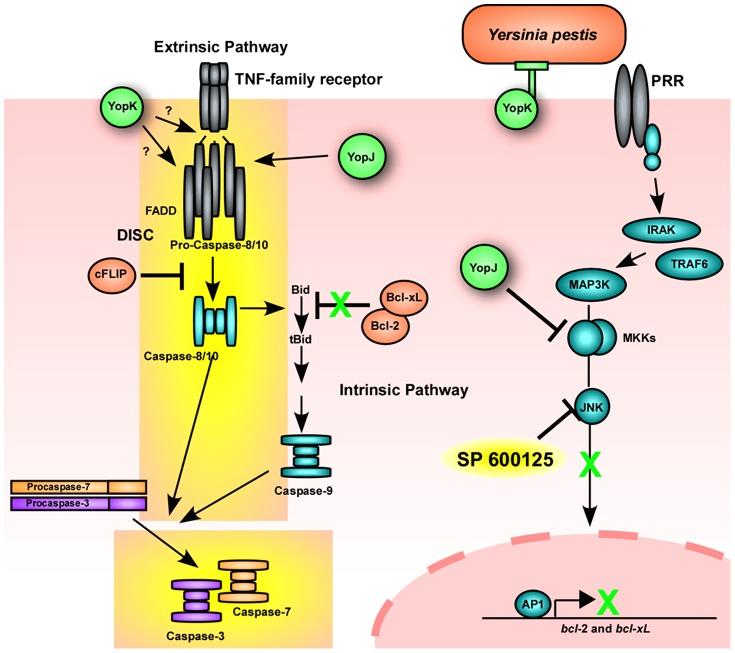
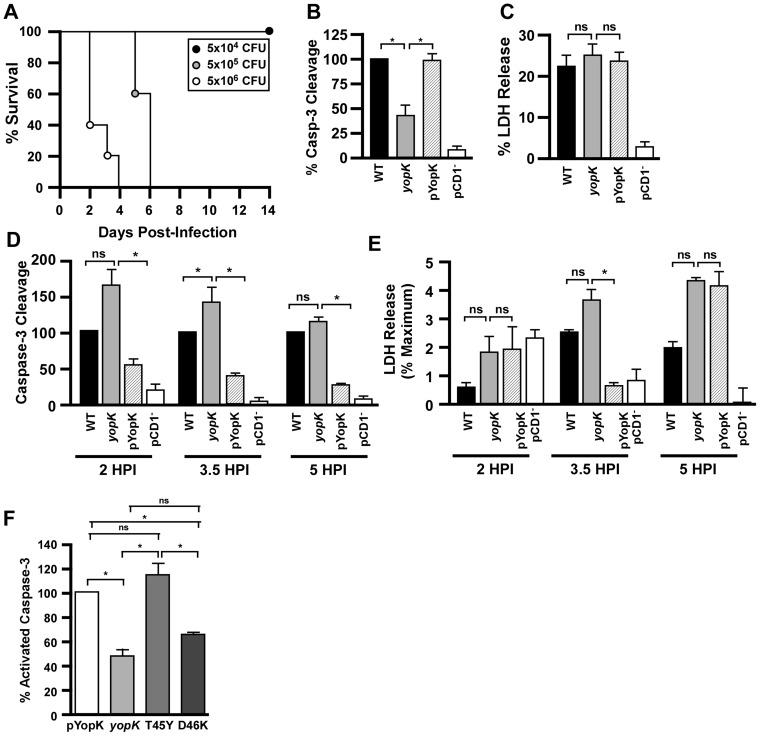
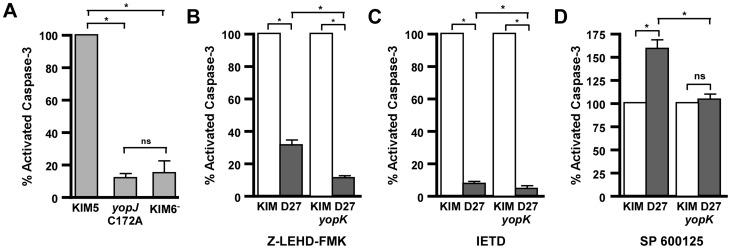
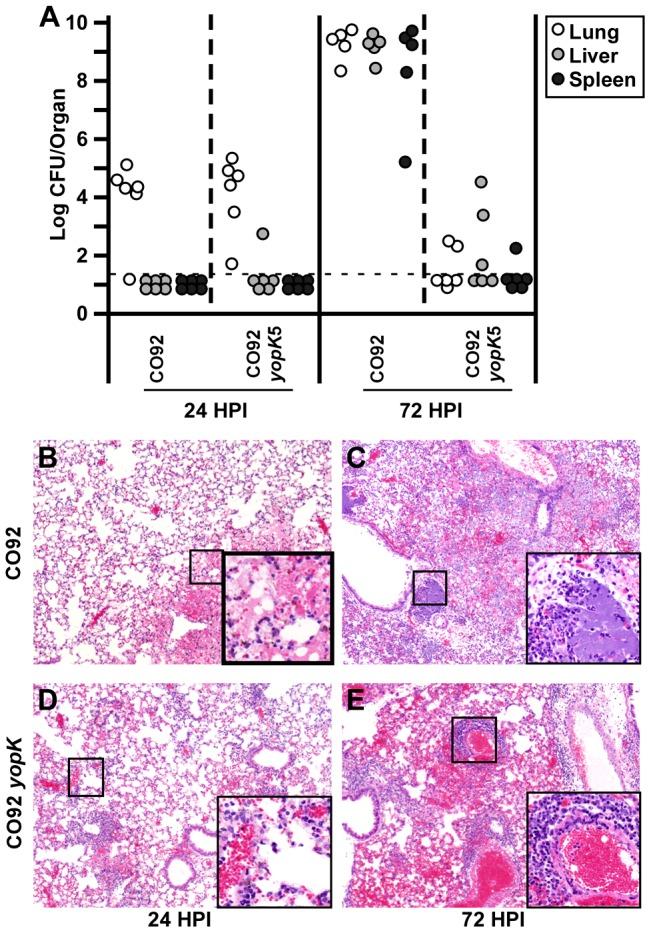
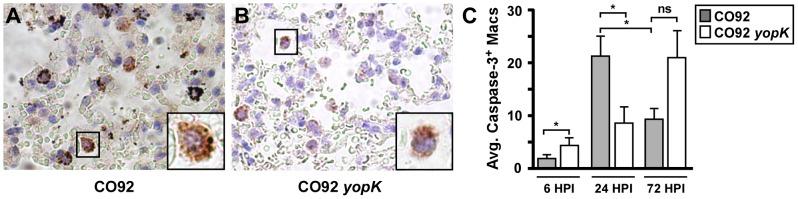
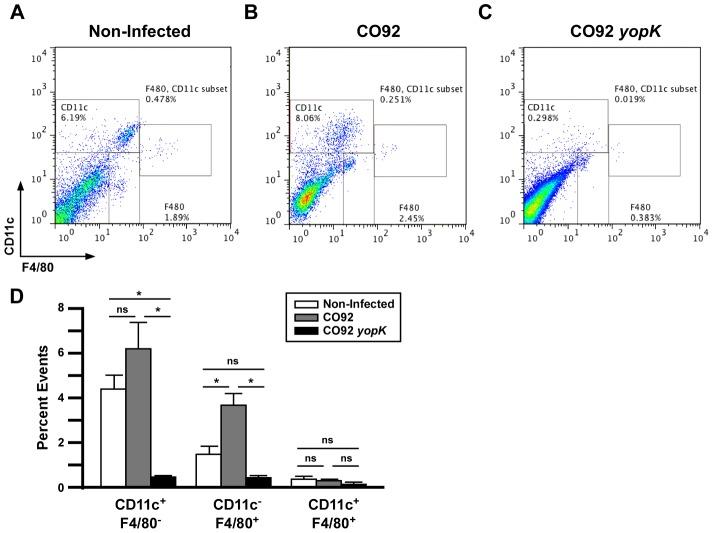
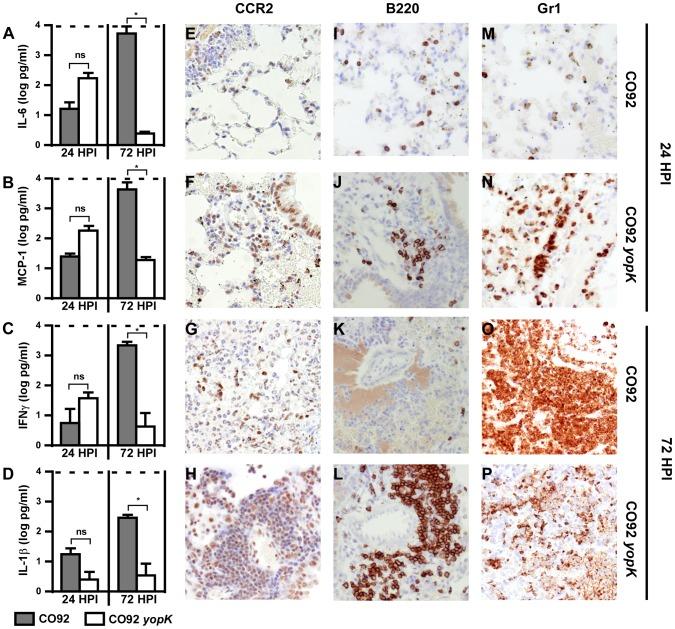
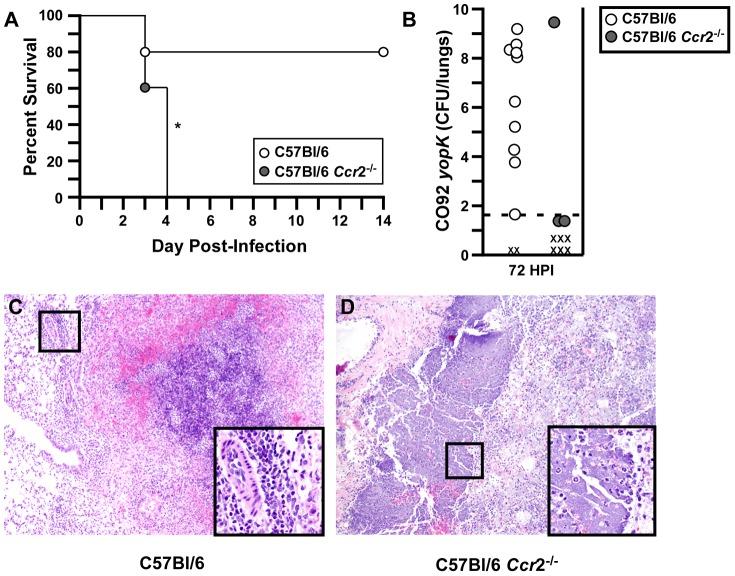
Yersinia pestis causes pneumonic plague, a disease characterized by inflammation, necrosis and rapid bacterial growth which together cause acute lung congestion and lethality. The bacterial type III secretion system (T3SS) injects 7 effector proteins into host cells and their combined activities are necessary to establish infection. Y. pestis infection of the lungs proceeds as a biphasic inflammatory response believed to be regulated through the control of apoptosis and pyroptosis by a single, well-conserved T3SS effector protein YopJ. Recently, YopJ-mediated pyroptosis, which proceeds via the NLRP3-inflammasome, was shown to be regulated by a second T3SS effector protein YopK in the related strain Y. pseudotuberculosis. In this work, we show that for Y. pestis, YopK appears to regulate YopJ-mediated apoptosis, rather than pyroptosis, of macrophages. Inhibition of caspase-8 blocked YopK-dependent apoptosis, suggesting the involvement of the extrinsic pathway, and appeared cell-type specific. However, in contrast to yopJ, deletion of yopK caused a large decrease in virulence in a mouse pneumonic plague model. YopK-dependent modulation of macrophage apoptosis was observed at 6 and 24 hours post-infection (HPI). When YopK was absent, decreased populations of macrophages and dendritic cells were seen in the lungs at 24 HPI and correlated with resolution rather than progression of inflammation. Together the data suggest that Y. pestis YopK may coordinate the inflammatory response during pneumonic plague through the regulation of apoptosis of immune cells.
鼠疫耶尔森菌引起肺鼠疫,这是一种以炎症、坏死和快速细菌生长为特征的疾病,这些共同导致急性肺充血和致死性。细菌 III 型分泌系统(T3SS)将 7 种效应蛋白注入宿主细胞,它们的共同作用对于建立感染是必要的。鼠疫耶尔森菌对肺部的感染是一种双相炎症反应,据信通过单个保守的 T3SS 效应蛋白 YopJ 控制细胞凋亡和细胞焦亡来调节。最近,通过 NLRP3 炎性小体,显示 YopJ 介导的细胞焦亡受相关菌株 Y. pseudotuberculosis 中的第二种 T3SS 效应蛋白 YopK 调节。在这项工作中,我们表明,对于鼠疫耶尔森菌,YopK 似乎调节巨噬细胞中 YopJ 介导的细胞凋亡,而不是细胞焦亡。抑制半胱天冬酶-8 阻断了 YopK 依赖性的细胞凋亡,这表明涉及外在途径,并且似乎具有细胞类型特异性。然而,与 yopJ 不同,yopK 的缺失导致在小鼠肺鼠疫模型中的毒力大大降低。在感染后 6 和 24 小时(HPI)观察到 YopK 依赖性的巨噬细胞凋亡的调节。当 YopK 不存在时,在 24 HPI 时在肺部观察到巨噬细胞和树突状细胞的数量减少,这与炎症的消退而不是进展相关。这些数据表明,鼠疫耶尔森菌 YopK 可能通过调节免疫细胞的凋亡来协调肺鼠疫期间的炎症反应。
 Zotero 插件