
汉坦病毒感染期间内皮细胞通透性增加涉及依赖于因子 XII 的激肽释放酶-激肽系统的激活增加。
Endothelial cell permeability during hantavirus infection involves factor XII-dependent increased activation of the kallikrein-kinin system.
机构信息
United States Army Medical Research Institute of Infectious Diseases, Fort Detrick, Maryland, United States of America.
出版信息
PLoS Pathog. 2013;9(7):e1003470. doi: 10.1371/journal.ppat.1003470. Epub 2013 Jul 18.
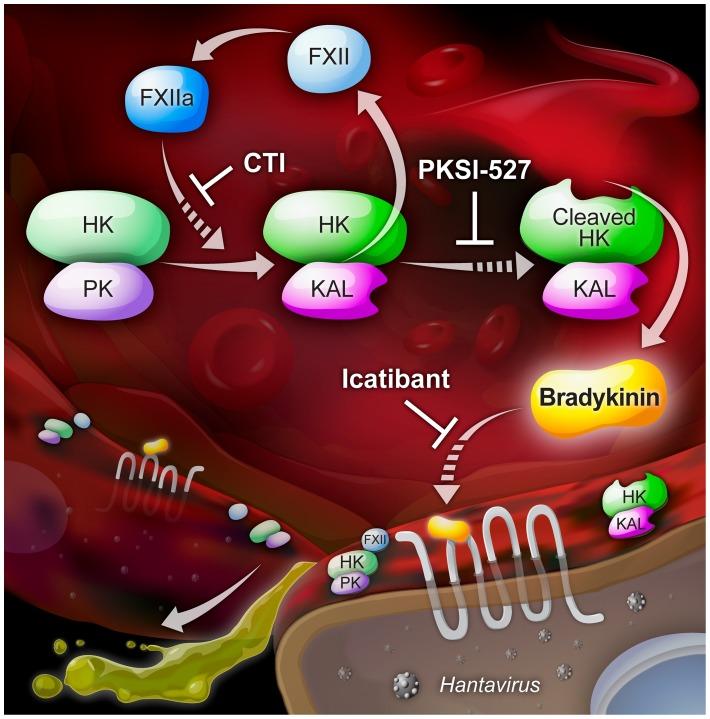
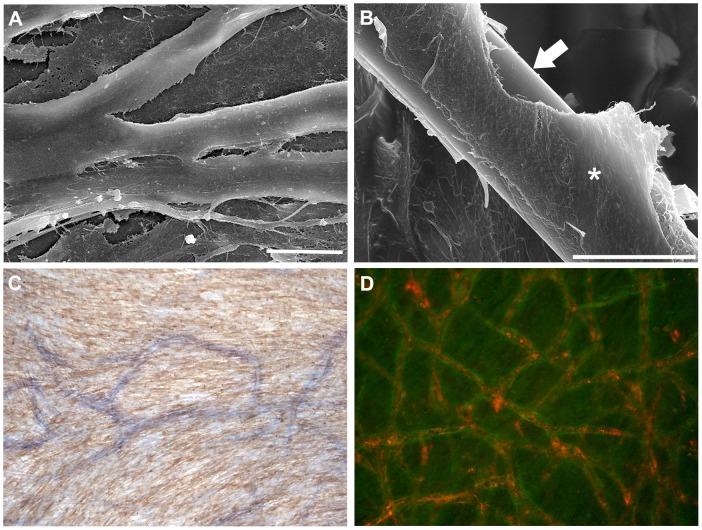
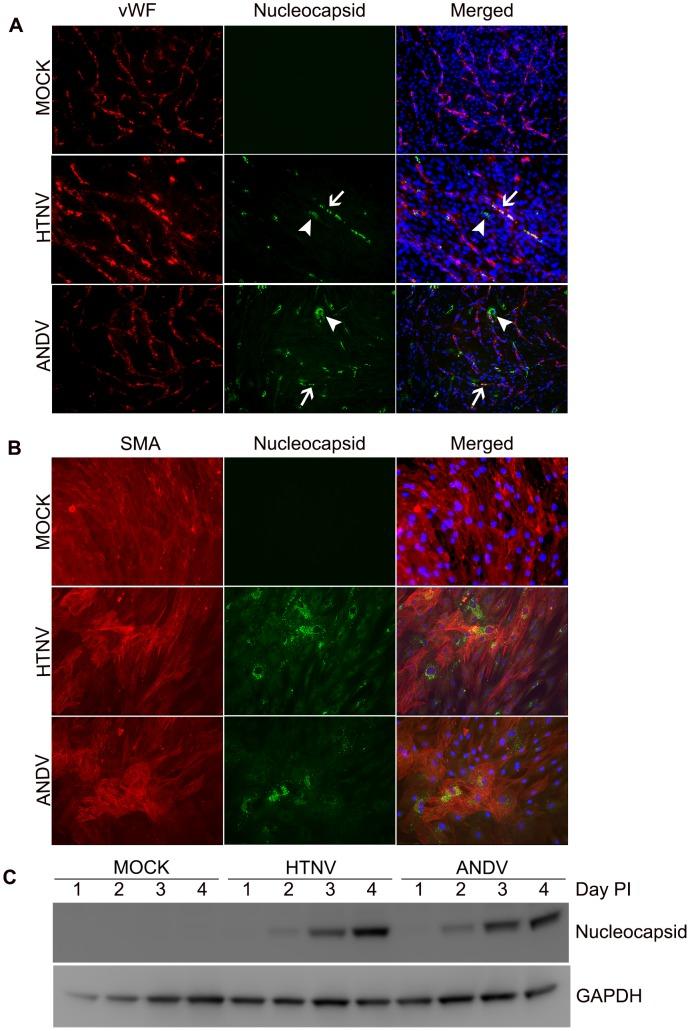
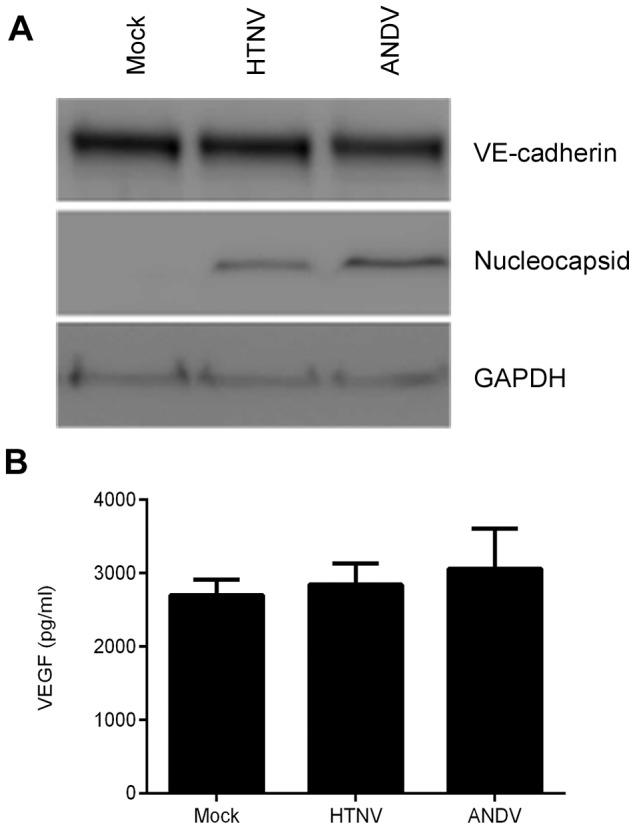
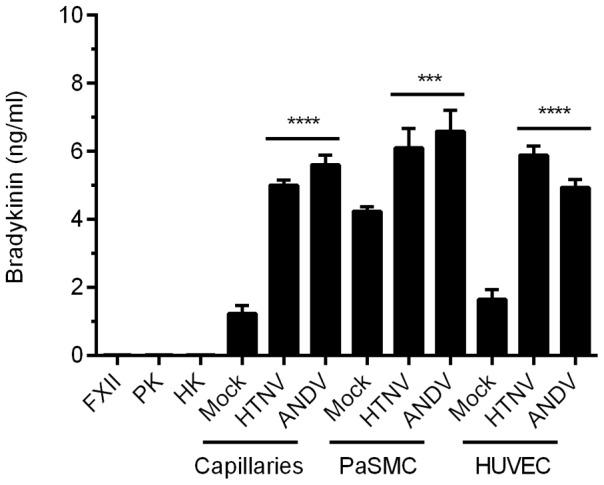
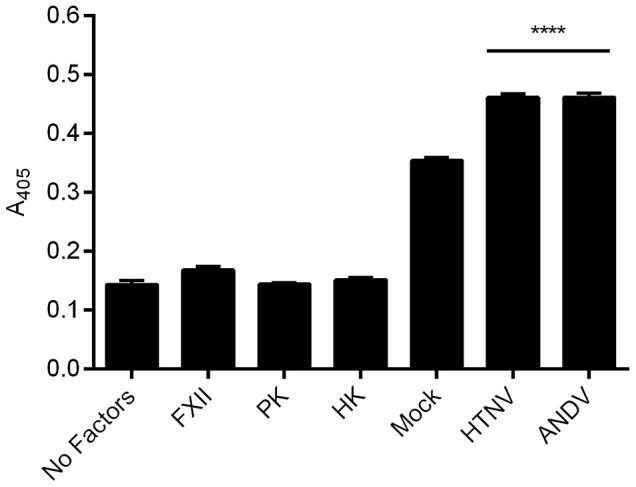
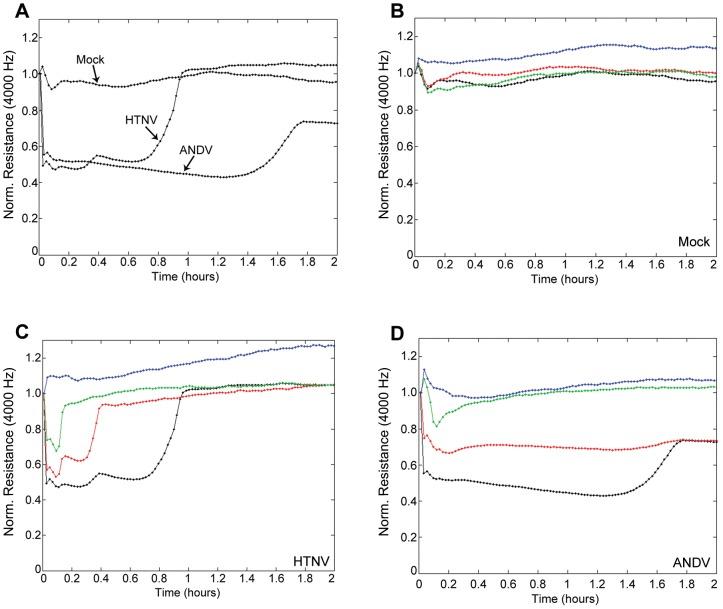
Hemorrhagic fever with renal syndrome (HFRS) and hantavirus pulmonary syndrome (HPS) are diseases caused by hantavirus infections and are characterized by vascular leakage due to alterations of the endothelial barrier. Hantavirus-infected endothelial cells (EC) display no overt cytopathology; consequently, pathogenesis models have focused either on the influx of immune cells and release of cytokines or on increased degradation of the adherens junction protein, vascular endothelial (VE)-cadherin, due to hantavirus-mediated hypersensitization of EC to vascular endothelial growth factor (VEGF). To examine endothelial leakage in a relevant in vitro system, we co-cultured endothelial and vascular smooth muscle cells (vSMC) to generate capillary blood vessel-like structures. In contrast to results obtained in monolayers of cultured EC, we found that despite viral replication in both cell types as well as the presence of VEGF, infected in vitro vessels neither lost integrity nor displayed evidence of VE-cadherin degradation. Here, we present evidence for a novel mechanism of hantavirus-induced vascular leakage involving activation of the plasma kallikrein-kinin system (KKS). We show that incubation of factor XII (FXII), prekallikrein (PK), and high molecular weight kininogen (HK) plasma proteins with hantavirus-infected EC results in increased cleavage of HK, higher enzymatic activities of FXIIa/kallikrein (KAL) and increased liberation of bradykinin (BK). Measuring cell permeability in real-time using electric cell-substrate impedance sensing (ECIS), we identified dramatic increases in endothelial cell permeability after KKS activation and liberation of BK. Furthermore, the alterations in permeability could be prevented using inhibitors that directly block BK binding, the activity of FXIIa, or the activity of KAL. Lastly, FXII binding and autoactivation is increased on the surface of hantavirus-infected EC. These data are the first to demonstrate KKS activation during hantavirus infection and could have profound implications for treatment of hantavirus infections.
肾综合征出血热(HFRS)和汉坦病毒肺综合征(HPS)是由汉坦病毒感染引起的疾病,其特征是由于内皮屏障的改变导致血管渗漏。汉坦病毒感染的内皮细胞(EC)没有明显的细胞病理学表现;因此,发病机制模型主要集中在免疫细胞的流入和细胞因子的释放,或者由于汉坦病毒介导的内皮细胞对血管内皮生长因子(VEGF)的超敏反应,导致黏附连接蛋白血管内皮(VE)-钙黏蛋白的降解增加。为了在相关的体外系统中检查内皮渗漏,我们共培养内皮细胞和血管平滑肌细胞(vSMC)以生成毛细血管样结构。与在单层培养的 EC 中获得的结果相反,我们发现尽管两种细胞类型都存在病毒复制和 VEGF,感染的体外血管既没有失去完整性,也没有显示 VE-钙黏蛋白降解的证据。在这里,我们提出了一种新的汉坦病毒诱导血管渗漏的机制,涉及到血浆激肽释放酶-激肽系统(KKS)的激活。我们表明,将凝血因子 XII(FXII)、前激肽原(PK)和高分子量激肽原(HK)血浆蛋白与汉坦病毒感染的 EC 孵育,会导致 HK 的裂解增加、FXIIa/激肽释放酶(KAL)的酶活性增加和缓激肽(BK)的释放增加。使用实时电细胞-底物阻抗传感(ECIS)测量细胞通透性,我们发现 KKS 激活和 BK 释放后内皮细胞通透性显著增加。此外,使用直接阻断 BK 结合、FXIIa 活性或 KAL 活性的抑制剂可以防止通透性的改变。最后,汉坦病毒感染的 EC 表面上的 FXII 结合和自动激活增加。这些数据首次证明了汉坦病毒感染期间 KKS 的激活,这可能对汉坦病毒感染的治疗有深远的影响。


 Zotero 插件