
开发一种用于猪肺炎支原体的自我复制质粒系统。
Development of a self-replicating plasmid system for Mycoplasma hyopneumoniae.
机构信息
Department of Pathology and Pathogen Biology, The Royal Veterinary College, Hawkshead Lane, North Mymms, Hatfield AL9 7TA, United Kingdom.
出版信息
Vet Res. 2013 Jul 29;44(1):63. doi: 10.1186/1297-9716-44-63.
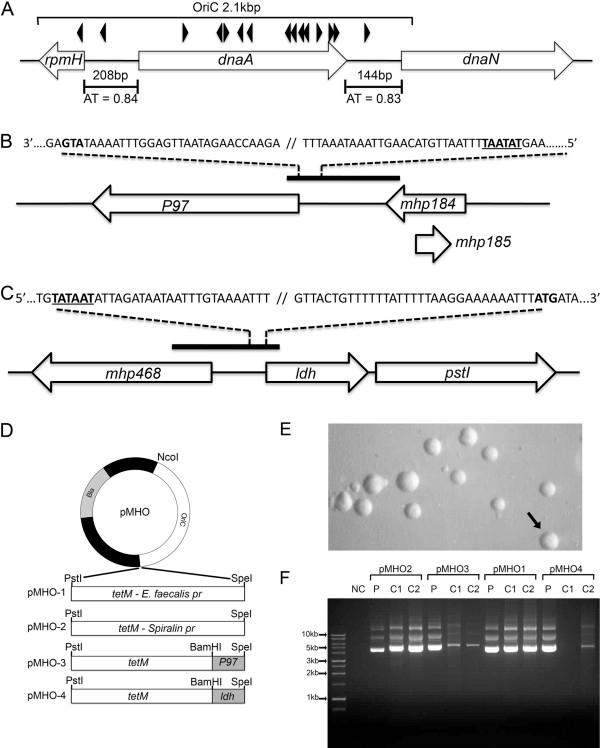
Mycoplasma hyopneumoniae is a prevalent swine respiratory pathogen that is a major cause of economic loss to pig producers. Control is achieved by a combination of antimicrobials, vaccination and management practices, but current vaccines offer only partial control and there is a need for improved preventative strategies. A major barrier to advances in understanding the pathogenesis of M. hyopneumoniae and in developing new vaccines is the lack of tools to genetically manipulate the organism. We describe the development and optimisation of the first successful plasmid-based system for the genetic manipulation of M. hyopneumoniae. Our artificial plasmids contain the origin of replication (oriC) of M. hyopneumoniae along with tetM, conferring resistance to tetracycline. With these plasmids, we have successfully transformed M. hyopneumoniae strain 232 by electroporation, generating tetracycline resistant organisms. The persistence of extrachromosomal plasmid and maintenance of plasmid DNA over serial passages shows that these artificial plasmids are capable of self-replication in M. hyopneumoniae. In addition to demonstrating the amenability of M. hyopneumoniae to genetic manipulation and in optimising the conditions necessary for successful transformation, we have used this system to determine the minimum functional oriC of M. hyopneumoniae. In doing so, we have developed a plasmid with a small oriC that is stably maintained over multiple passages that may be useful in generating targeted gene disruptions. In conclusion, we have generated a set of plasmids that will be valuable in studies of M. hyopneumoniae pathogenesis and provide a major step forward in the study of this important swine pathogen.
猪肺炎支原体是一种流行的猪呼吸道病原体,是猪生产者经济损失的主要原因。通过抗生素、疫苗接种和管理措施的结合来控制,但目前的疫苗仅提供部分控制,因此需要改进预防策略。了解猪肺炎支原体发病机制和开发新疫苗的主要障碍是缺乏遗传操作该生物体的工具。我们描述了第一个成功的基于质粒的遗传操作猪肺炎支原体的系统的开发和优化。我们的人工质粒包含猪肺炎支原体的复制起点(oriC)以及 tetM,赋予四环素抗性。使用这些质粒,我们通过电穿孔成功地转化了 M. hyopneumoniae 菌株 232,产生了四环素抗性生物。染色体外质粒的持续存在和质粒 DNA 在连续传代中的维持表明这些人工质粒能够在 M. hyopneumoniae 中自我复制。除了证明 M. hyopneumoniae 易于遗传操作和优化成功转化所需的条件外,我们还使用该系统确定了 M. hyopneumoniae 的最小功能性 oriC。通过这样做,我们开发了一种带有小 oriC 的质粒,该质粒在多次传代中稳定维持,这可能有助于生成靶向基因缺失。总之,我们生成了一组质粒,这些质粒将有助于研究猪肺炎支原体的发病机制,并为研究这种重要的猪病原体提供重要的一步。


 Zotero 插件