
真核翻译起始因子3i通过调节环氧化酶-2蛋白合成和β-连环蛋白激活促进结肠癌发生。
EIF3i promotes colon oncogenesis by regulating COX-2 protein synthesis and β-catenin activation.
作者信息
Qi J, Dong Z, Liu J, Zhang J-T
机构信息
Department of Pharmacology and Toxicology and IU Simon Cancer Center, Indiana University School of Medicine, Indianapolis, IN, USA.
出版信息
Oncogene. 2014 Aug 7;33(32):4156-63. doi: 10.1038/onc.2013.397. Epub 2013 Sep 23.
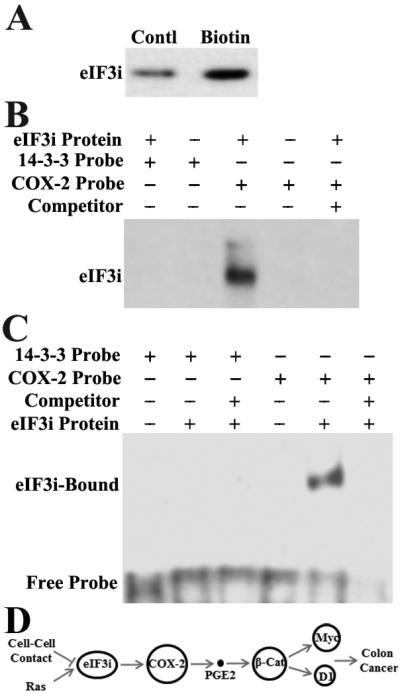
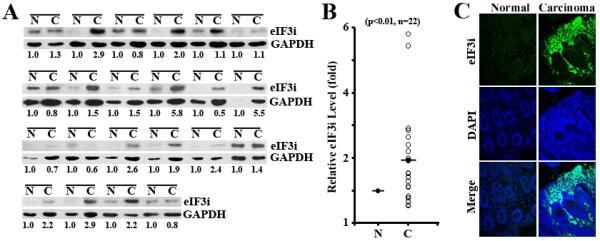
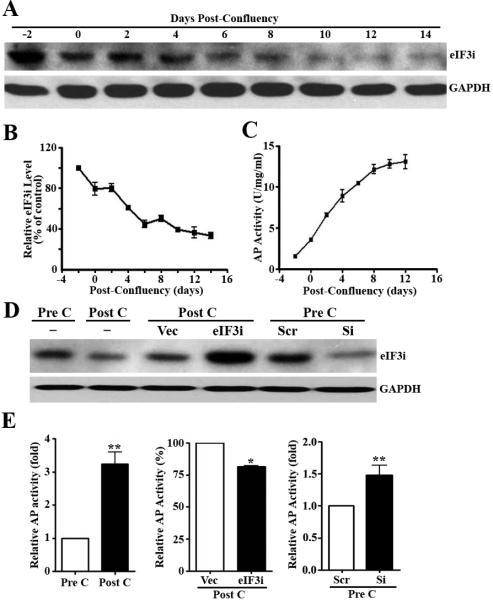
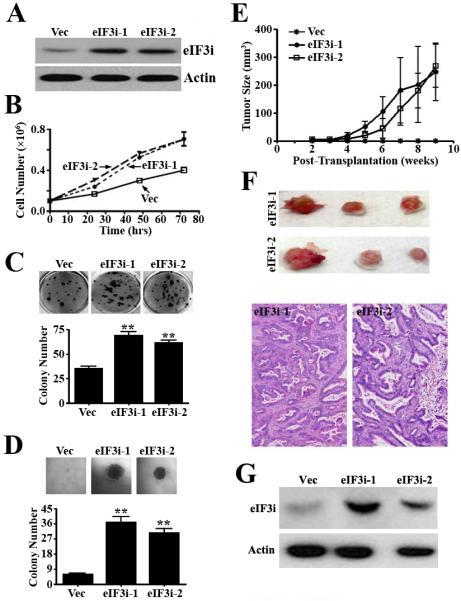
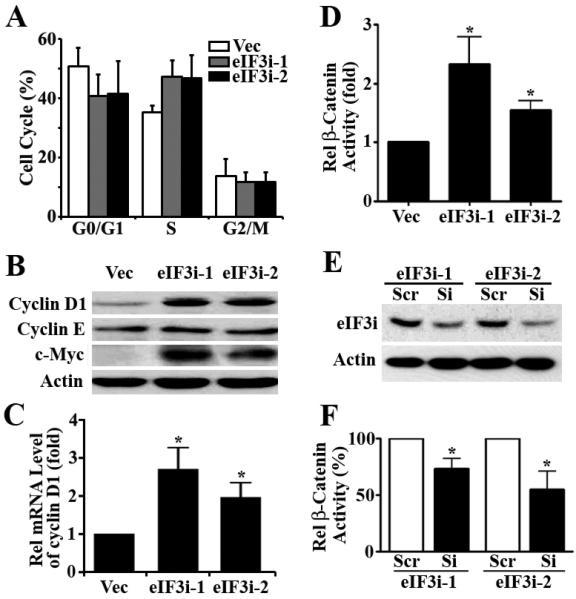
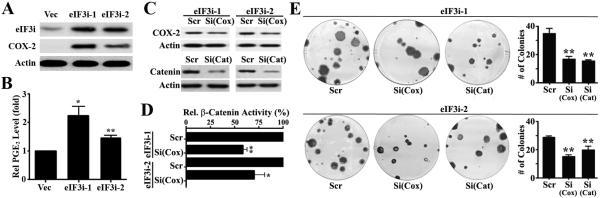
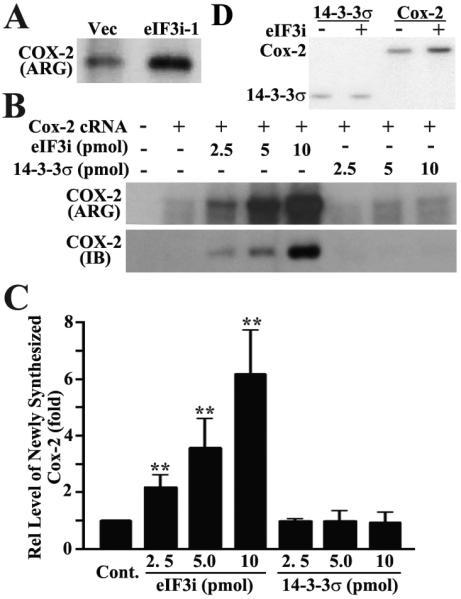
Translational control of gene expression has recently been recognized as an important mechanism controlling cell proliferation and oncogenesis, and it mainly occurs in the initiation step of protein synthesis that involves multiple eukaryotic initiation factors (eIFs). Many eIFs have been found to have aberrant expression in human tumors and the aberrant expression may contribute to oncogenesis. However, how these previously considered house-keeping proteins are potentially oncogenic remains elusive. In this study, we investigated the expression of eIF3i in human colon cancers, tested its contribution to colon oncogenesis and determined the mechanism of eIF3i action in colon oncogenesis. We found that eIF3i expression was upregulated in both human colon adenocarcinoma and adenoma polyps as well as in model inducible colon tumorigenic cell lines. Overexpression of ectopic eIF3i in intestinal epithelial cells causes oncogenesis by directly upregulating the synthesis of cyclooxygenase-2 (COX-2) protein and activates the β-catenin/T-cell factor 4 signaling pathway that mediates the oncogenic function of eIF3i. Together, we conclude that eIF3i is a proto-oncogene that drives colon oncogenesis by translationally upregulating COX-2 and activating the β-catenin signaling pathway. These findings imply that proto-oncogenic eIFs likely exert their tumorigenic function by regulating/altering the synthesis level of downstream tumor suppressor or oncogenes.
基因表达的翻译控制最近被认为是控制细胞增殖和肿瘤发生的重要机制,它主要发生在蛋白质合成的起始步骤,这涉及多种真核生物起始因子(eIFs)。许多eIFs已被发现在人类肿瘤中表达异常,这种异常表达可能促成肿瘤发生。然而,这些以前被认为是管家蛋白的物质如何潜在地致癌仍不清楚。在本研究中,我们调查了eIF3i在人类结肠癌中的表达,测试了其对结肠癌发生的作用,并确定了eIF3i在结肠癌发生中的作用机制。我们发现,eIF3i在人类结肠腺癌和腺瘤性息肉以及模型诱导的结肠致瘤细胞系中表达上调。在肠上皮细胞中异位过表达eIF3i通过直接上调环氧合酶-2(COX-2)蛋白的合成导致肿瘤发生,并激活β-连环蛋白/T细胞因子4信号通路,该通路介导eIF3i的致癌功能。我们共同得出结论,eIF3i是一种原癌基因,通过翻译上调COX-2并激活β-连环蛋白信号通路来驱动结肠癌发生。这些发现表明,原癌基因eIFs可能通过调节/改变下游肿瘤抑制因子或癌基因的合成水平来发挥其致瘤功能。

 Zotero 插件