
iTRAQ 蛋白质谱分析为葡萄浆果发育和成熟过程中驱动中心代谢变化的机制提供了新的见解。
iTRAQ-based protein profiling provides insights into the central metabolism changes driving grape berry development and ripening.
机构信息
Grupo de Proteómica y Genómica Funcional de Plantas, Dept, Agroquímica y Bioquímica, Facultad de Ciencias, Universidad de Alicante, Apartado 99, E-03080 Alicante, Spain.
出版信息
BMC Plant Biol. 2013 Oct 24;13:167. doi: 10.1186/1471-2229-13-167.
BACKGROUND
Grapevine (Vitis vinifera L.) is an economically important fruit crop. Quality-determining grape components such as sugars, acids, flavors, anthocyanins, tannins, etc., accumulate in the different grape berry development stages. Thus, correlating the proteomic profiles with the biochemical and physiological changes occurring in grape is of paramount importance to advance in our understanding of berry development and ripening processes.
RESULTS
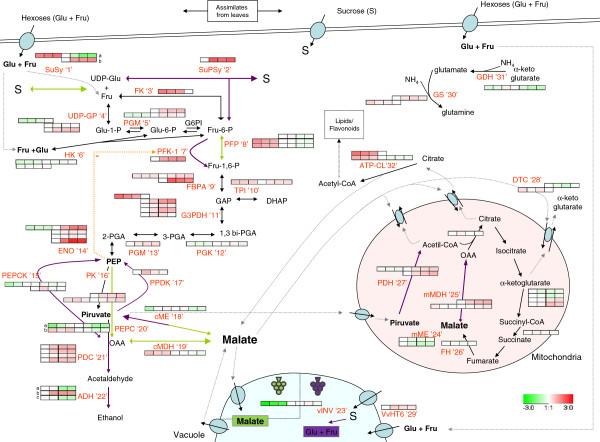
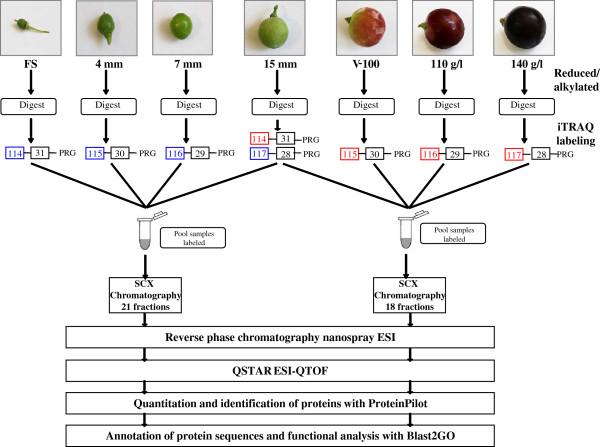
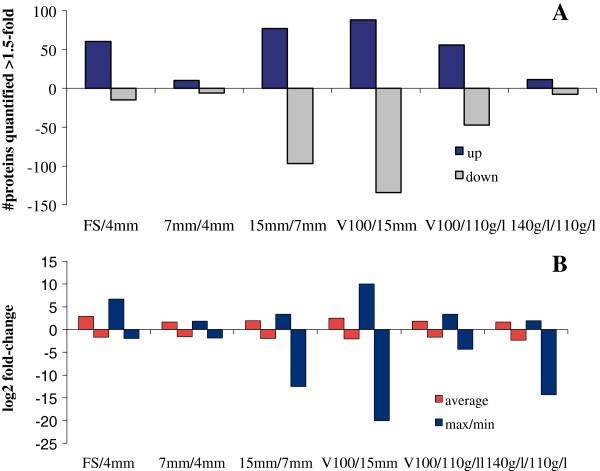
We report the developmental analysis of Vitis vinifera cv. Muscat Hamburg berries at the protein level from fruit set to full ripening. An iTRAQ-based bottom-up proteomic approach followed by tandem mass spectrometry led to the identification and quantitation of 411 and 630 proteins in the green and ripening phases, respectively. Two key points in development relating to changes in protein level were detected: end of the first growth period (7 mm-to-15 mm) and onset of ripening (15 mm-to-V100, V100-to-110). A functional analysis was performed using the Blast2GO software based on the enrichment of GO terms during berry growth.
CONCLUSIONS
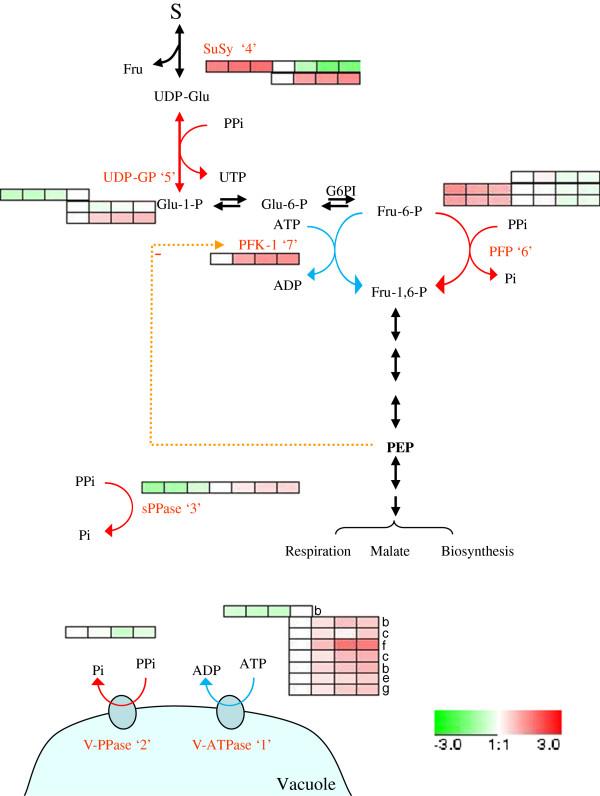
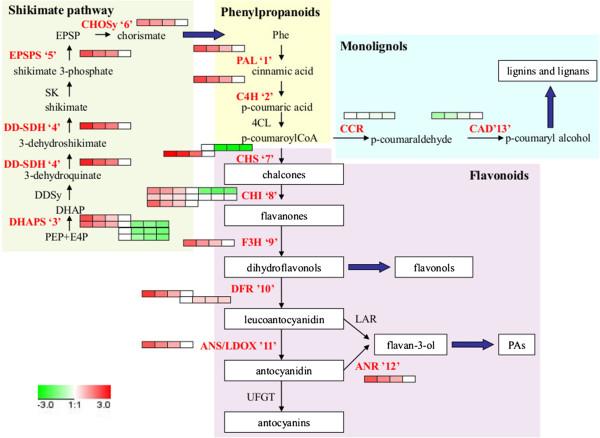
The study of the proteome contributes to decipher the biological processes and metabolic pathways involved in the development and quality traits of fruit and its derived products. These findings lie mainly in metabolism and storage of sugars and malate, energy-related pathways such as respiration, photosynthesis and fermentation, and the synthesis of polyphenolics as major secondary metabolites in grape berry. In addition, some key steps in carbohydrate and malate metabolism have been identified in this study, i.e., PFP-PFK or SuSy-INV switches among others, which may influence the final sugar and acid balance in ripe fruit. In conclusion, some proteins not reported to date have been detected to be deregulated in specific tissues and developmental stages, leading to formulate new hypotheses on the metabolic processes underlying grape berry development. These results open up new lines to decipher the processes controlling grape berry development and ripening.
背景
葡萄(Vitis vinifera L.)是一种经济上重要的水果作物。决定葡萄品质的成分,如糖、酸、风味、花青素、单宁等,在不同的葡萄浆果发育阶段积累。因此,将蛋白质组图谱与葡萄中发生的生化和生理变化相关联,对于深入了解浆果发育和成熟过程至关重要。
结果
我们报告了 Vitis vinifera cv. 从果实开始到完全成熟的Muscat Hamburg 浆果的蛋白质水平发育分析。基于 iTRAQ 的自上而下的蛋白质组学方法,结合串联质谱,分别在绿色和成熟阶段鉴定和定量了 411 种和 630 种蛋白质。在发育过程中检测到与蛋白质水平变化相关的两个关键点:第一个生长周期结束(7mm-15mm)和成熟开始(15mm-V100,V100-110)。使用 Blast2GO 软件根据浆果生长过程中 GO 术语的富集情况对功能进行了分析。
结论
研究蛋白质组有助于破译参与果实及其衍生产品发育和品质特征的生物学过程和代谢途径。这些发现主要集中在代谢和糖和苹果酸的储存、与呼吸、光合作用和发酵等能量相关的途径、以及多酚类物质作为葡萄浆果中主要的次生代谢物的合成。此外,本研究还确定了糖和苹果酸代谢中的一些关键步骤,例如 PFP-PFK 或 SuSy-INV 之间的转换等,这些步骤可能会影响成熟果实中最终的糖和酸平衡。总之,一些目前尚未报道的蛋白质被检测到在特定组织和发育阶段失调,这为葡萄浆果发育的代谢过程提出了新的假说。这些结果为破译控制葡萄浆果发育和成熟的过程开辟了新的途径。

 Zotero 插件