
从尿液外泌体/微泡中分离和定量 microRNAs 以用于生物标志物发现。
Isolation and quantification of microRNAs from urinary exosomes/microvesicles for biomarker discovery.
机构信息
Institute of Nephrology, Zhongda Hospital, School of Medicine, Southeast University, Nanjing, China.
出版信息
Int J Biol Sci. 2013 Oct 12;9(10):1021-31. doi: 10.7150/ijbs.6100. eCollection 2013.
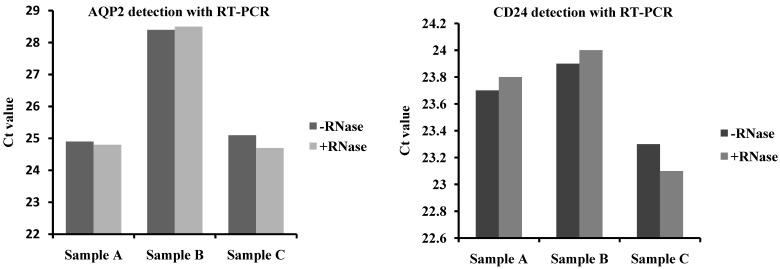
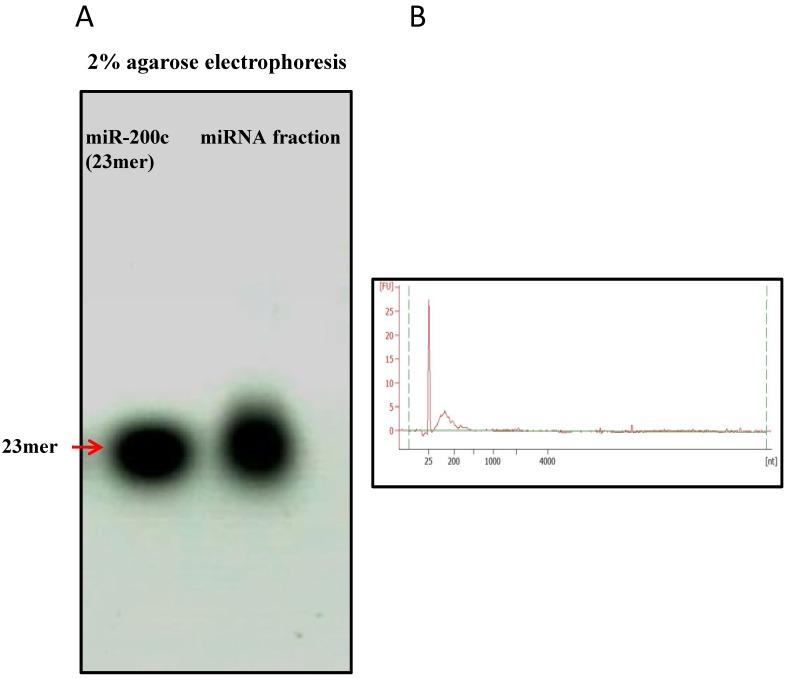
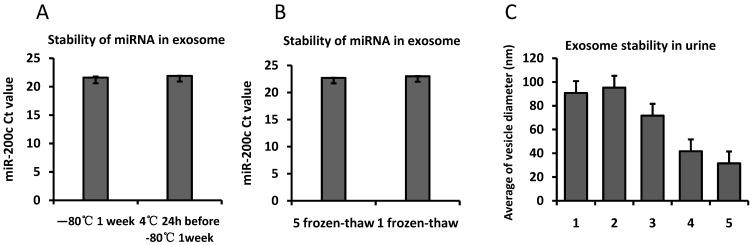
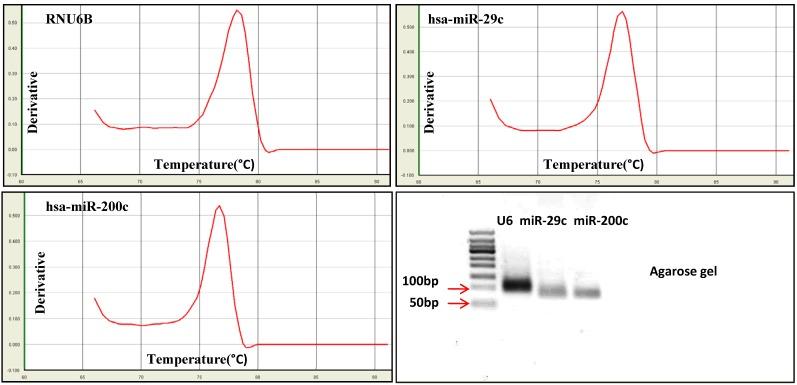
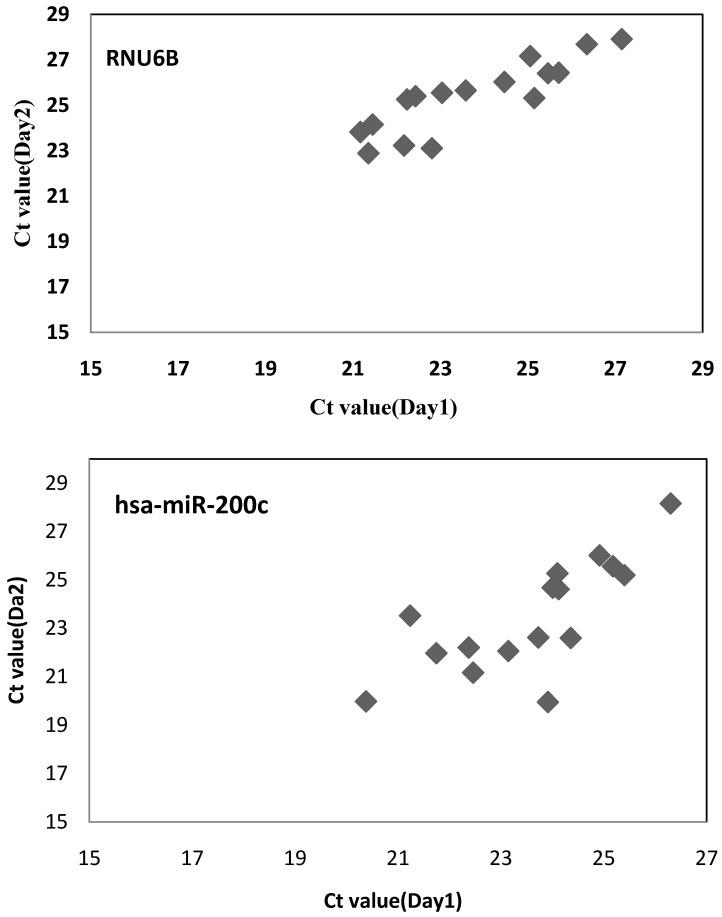
Recent studies indicate that microRNA (miRNA) is contained within exosome. Here we sought to optimize the methodologies for the isolation and quantification of urinary exosomal microRNA as a prelude to biomarker discovery studies. Exosomes were isolated through ultracentrifugation and characterized by immunoelectron microscopy. To determine the RNA was confined inside exosomes, the pellet was treated with RNase before RNA isolation. The minimum urine volume, storage conditions for exosomes and exosomal miRNA was evaluated. The presence of miRNAs in patients with various kidney diseases was validated with real-time PCR. The result shows that miRNAs extracted from the exosomal fraction were resistant to RNase digestion and with high quality confirmed by agarose electrophoresis. 16 ml of urine was sufficient for miRNA isolation by absolute quantification with 4.15×10(5) copies/ul for miR-200c. Exosomes was stable at 4℃ 24h for shipping before stored at -80℃ and was stable in urine when stored at -80°C for 12 months. Exosomal miRNA was detectable despite 5 repeat freeze-thaw cycles. The detection of miRNA by quantitative PCR showed high reproducibility (>94% for intra-assay and >76% for inter-assay), high sensitivity (positive call 100% for CKD patients), broad dynamic range (8-log wide) and good linearity for quantification (R(2)>0.99). miR-29c and miR-200c showed different expression in different types of kidney disease. In summary, the presence of urinary exosomal miRNA was confirmed for patients with a diversity of chronic kidney disease. The conditions of urine collection, storage and miRNA detection determined in this study may be useful for future biomarker discovery efforts.
最近的研究表明,microRNA(miRNA)存在于外泌体中。在这里,我们试图优化分离和定量尿外泌体 microRNA 的方法,作为生物标志物发现研究的前奏。通过超速离心分离外泌体,并通过免疫电子显微镜对其进行表征。为了确定 RNA 局限于外泌体内部,在用 RNA 分离之前,用 RNase 处理沉淀物。评估了最小尿液量、外泌体和外泌体 microRNA 的储存条件。用实时 PCR 验证了各种肾脏疾病患者中 miRNAs 的存在。结果表明,从外泌体部分提取的 miRNAs 能抵抗 RNase 消化,琼脂糖电泳证实其质量高。通过绝对定量,16ml 的尿液足以提取 miRNA,miR-200c 的含量为 4.15×10(5)拷贝/ul。外泌体在 4℃ 24 小时内稳定,在 -80℃下运输前可稳定保存 24 小时,在 -80℃下储存 12 个月时也稳定。外泌体 miRNA 可在 5 次冻融循环后检测到。定量 PCR 检测 miRNA 显示出高重复性(内试验>94%,间试验>76%)、高灵敏度(CKD 患者阳性率 100%)、宽动态范围(8 个对数范围)和良好的定量线性度(R(2)>0.99)。miR-29c 和 miR-200c 在不同类型的肾脏疾病中表达不同。总之,证实了不同类型慢性肾脏病患者尿外泌体 miRNA 的存在。本研究确定的尿液收集、储存和 miRNA 检测条件可能对未来的生物标志物发现工作有用。




 Zotero 插件