
内毒素通过一种依赖瞬时受体蛋白褪黑素7活性的机制诱导血管内皮细胞纤维化。
Endotoxin induces fibrosis in vascular endothelial cells through a mechanism dependent on transient receptor protein melastatin 7 activity.
作者信息
Echeverría Cesar, Montorfano Ignacio, Hermosilla Tamara, Armisén Ricardo, Velásquez Luis A, Cabello-Verrugio Claudio, Varela Diego, Simon Felipe
机构信息
Departamento de Ciencias Biologicas, Facultad de Ciencias Biologicas and Facultad de Medicina, Universidad Andres Bello, Santiago, Chile.
Centro de Estudios Moleculares de la Celula, Facultad de Medicina, Universidad de Chile, Santiago, Chile; Instituto de Ciencias Biomedicas, Facultad de Medicina, Universidad de Chile, Santiago, Chile.
出版信息
PLoS One. 2014 Apr 7;9(4):e94146. doi: 10.1371/journal.pone.0094146. eCollection 2014.
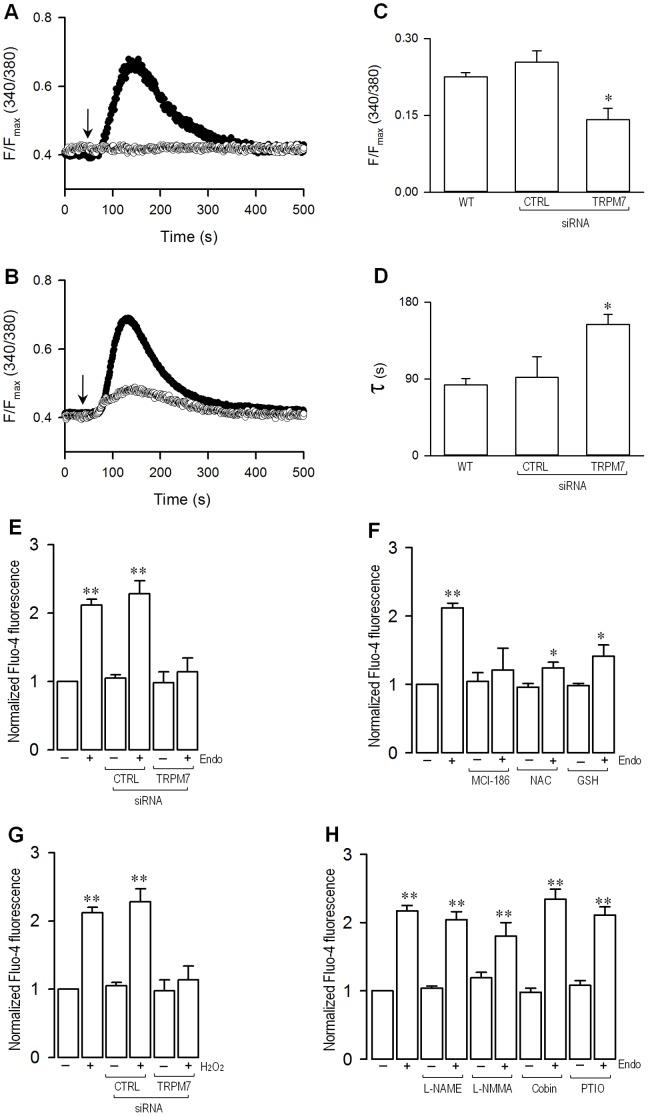
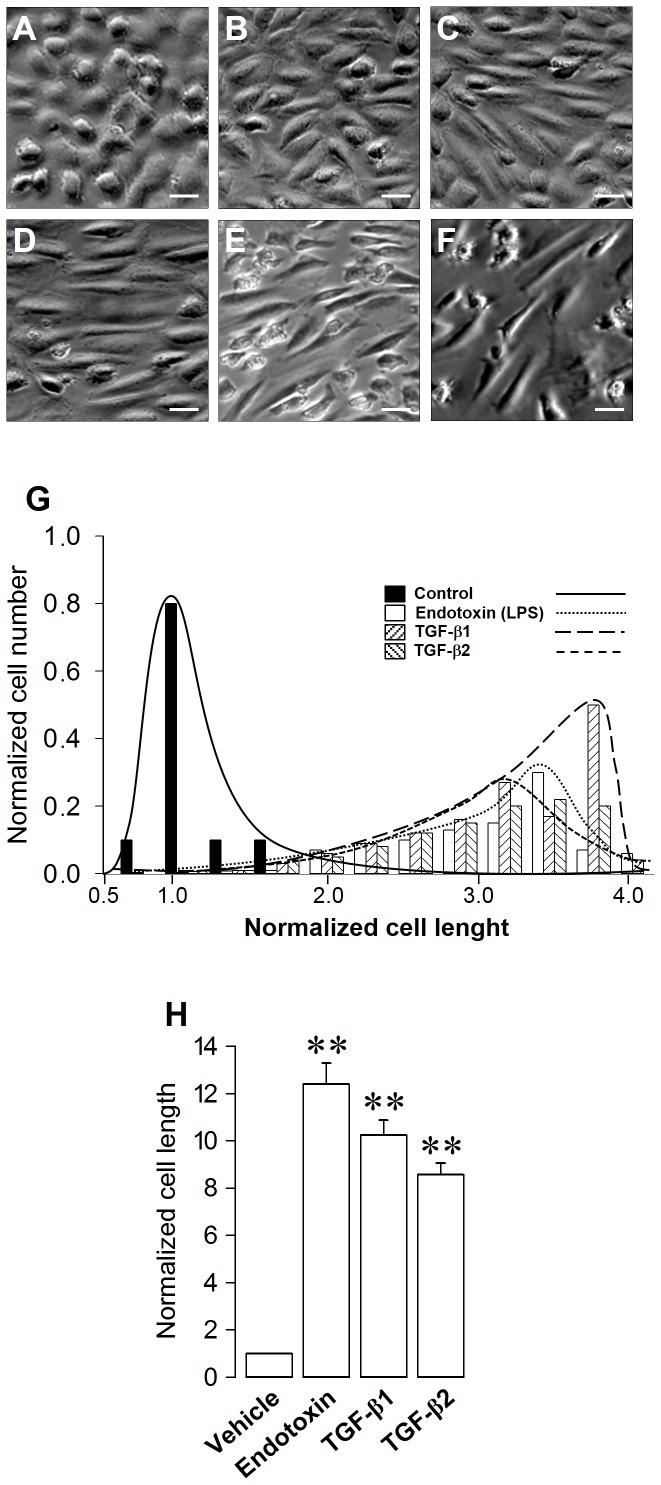
The pathogenesis of systemic inflammatory diseases, including endotoxemia-derived sepsis syndrome, is characterized by endothelial dysfunction. It has been demonstrated that the endotoxin lipopolysaccharide (LPS) induces the conversion of endothelial cells (ECs) into activated fibroblasts through endothelial-to-mesenchymal transition mechanism. Fibrogenesis is highly dependent on intracellular Ca2+ concentration increases through the participation of calcium channels. However, the specific molecular identity of the calcium channel that mediates the Ca2+ influx during endotoxin-induced endothelial fibrosis is still unknown. Transient receptor potential melastatin 7 (TRPM7) is a calcium channel that is expressed in many cell types, including ECs. TRPM7 is involved in a number of crucial processes such as the conversion of fibroblasts into activated fibroblasts, or myofibroblasts, being responsible for the development of several characteristics of them. However, the role of the TRPM7 ion channel in endotoxin-induced endothelial fibrosis is unknown. Thus, our aim was to study whether the TRPM7 calcium channel participates in endotoxin-induced endothelial fibrosis. Using primary cultures of ECs, we demonstrated that TRPM7 is a crucial protein involved in endotoxin-induced endothelial fibrosis. Suppression of TRPM7 expression protected ECs from the fibrogenic process stimulated by endotoxin. Downregulation of TRPM7 prevented the endotoxin-induced endothelial markers decrease and fibrotic genes increase in ECs. In addition, TRPM7 downregulation abolished the endotoxin-induced increase in ECM proteins in ECs. Furthermore, we showed that intracellular Ca2+ levels were greatly increased upon LPS challenge in a mechanism dependent on TRPM7 expression. These results demonstrate that TRPM7 is a key protein involved in the mechanism underlying endotoxin-induced endothelial fibrosis.
包括内毒素血症衍生的脓毒症综合征在内的全身性炎症性疾病的发病机制,其特征为内皮功能障碍。已经证明,内毒素脂多糖(LPS)通过内皮向间充质转化机制诱导内皮细胞(ECs)转化为活化的成纤维细胞。纤维生成高度依赖于通过钙通道参与使细胞内Ca2+浓度升高。然而,在内毒素诱导的内皮纤维化过程中介导Ca2+内流的钙通道的具体分子特性仍然未知。瞬时受体电位香草酸亚型7(TRPM7)是一种在包括ECs在内的许多细胞类型中表达的钙通道。TRPM7参与许多关键过程,如成纤维细胞转化为活化的成纤维细胞或肌成纤维细胞,这决定了它们的一些特性。然而,TRPM7离子通道在内毒素诱导的内皮纤维化中的作用尚不清楚。因此,我们的目的是研究TRPM7钙通道是否参与内毒素诱导的内皮纤维化。使用ECs的原代培养物,我们证明TRPM7是参与内毒素诱导的内皮纤维化的关键蛋白。抑制TRPM7表达可保护ECs免受内毒素刺激的纤维化过程影响。TRPM7的下调可防止内毒素诱导的ECs中内皮标志物减少和纤维化基因增加。此外,TRPM7下调消除了内毒素诱导的ECs中细胞外基质蛋白增加。此外,我们表明,在LPS刺激下,细胞内Ca2+水平以依赖于TRPM7表达的机制大幅升高。这些结果表明,TRPM7是参与内毒素诱导的内皮纤维化潜在机制的关键蛋白。


 Zotero 插件