
小地老虎蛾触角中嗅觉基因的分子特征及差异表达
Molecular characterization and differential expression of olfactory genes in the antennae of the black cutworm moth Agrotis ipsilon.
作者信息
Gu Shao-Hua, Sun Liang, Yang Ruo-Nan, Wu Kong-Ming, Guo Yu-Yuan, Li Xian-Chun, Zhou Jing-Jiang, Zhang Yong-Jun
机构信息
State Key Laboratory for Biology of Plant Diseases and Insect Pests, Institute of Plant Protection, Chinese Academy of Agricultural Sciences, Beijing, China.
State Key Laboratory for Biology of Plant Diseases and Insect Pests, Institute of Plant Protection, Chinese Academy of Agricultural Sciences, Beijing, China; Key Laboratory of Integrated Management of Crop Diseases and Pests (Ministry of Education), College of Plant Protection, Nanjing Agricultural University, Nanjing, China.
出版信息
PLoS One. 2014 Aug 1;9(8):e103420. doi: 10.1371/journal.pone.0103420. eCollection 2014.
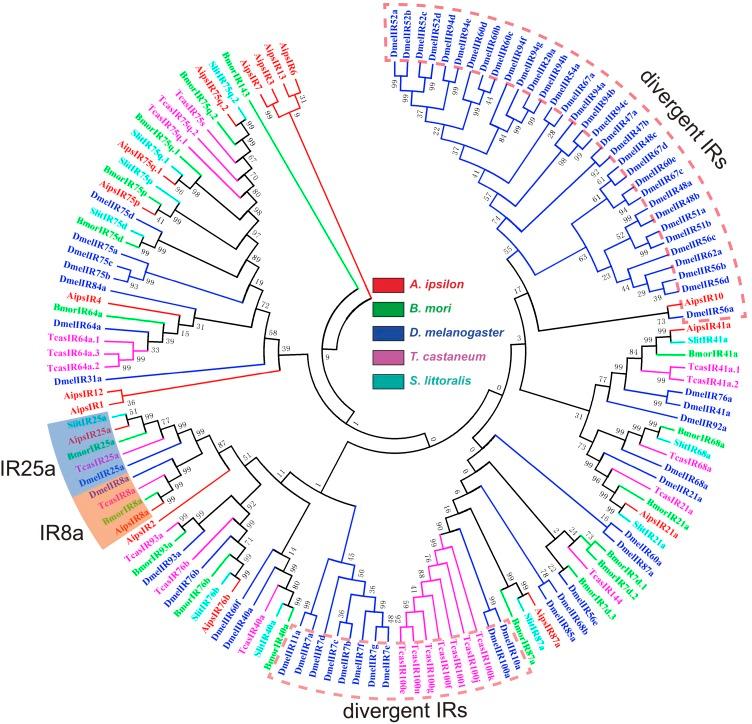
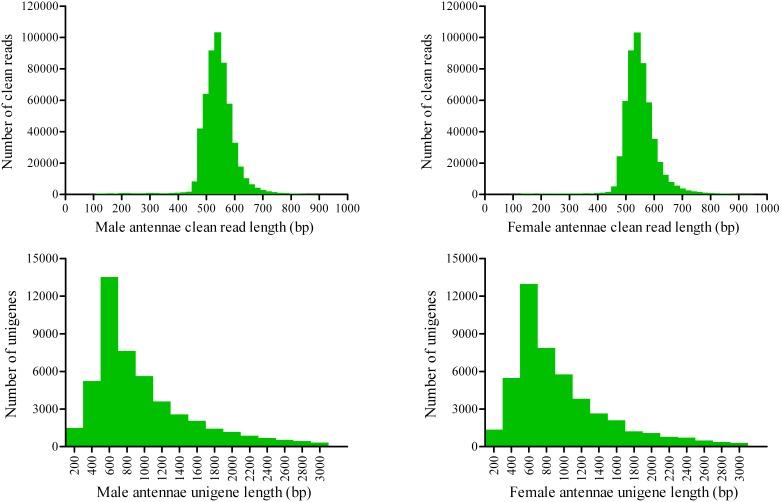
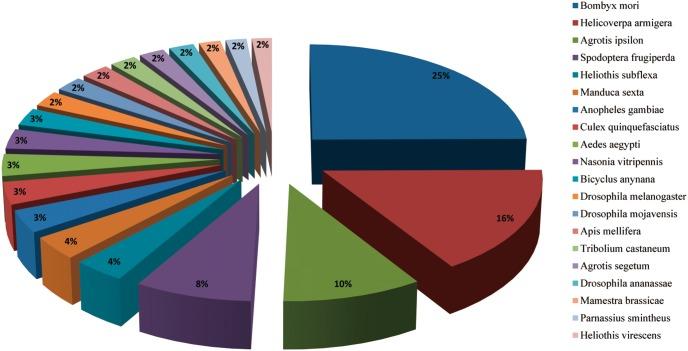
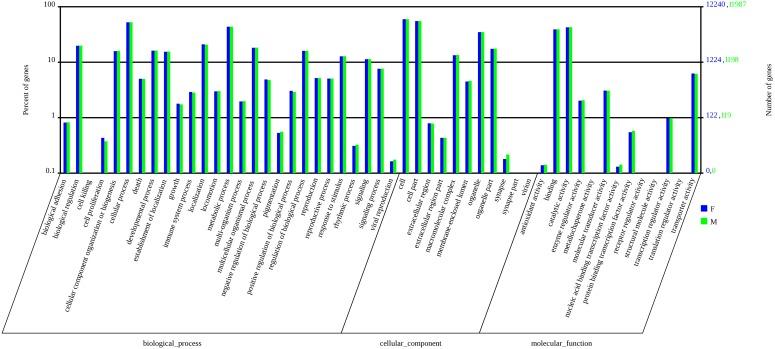
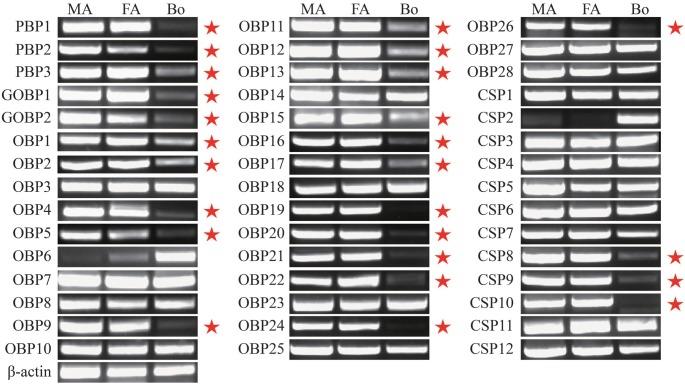
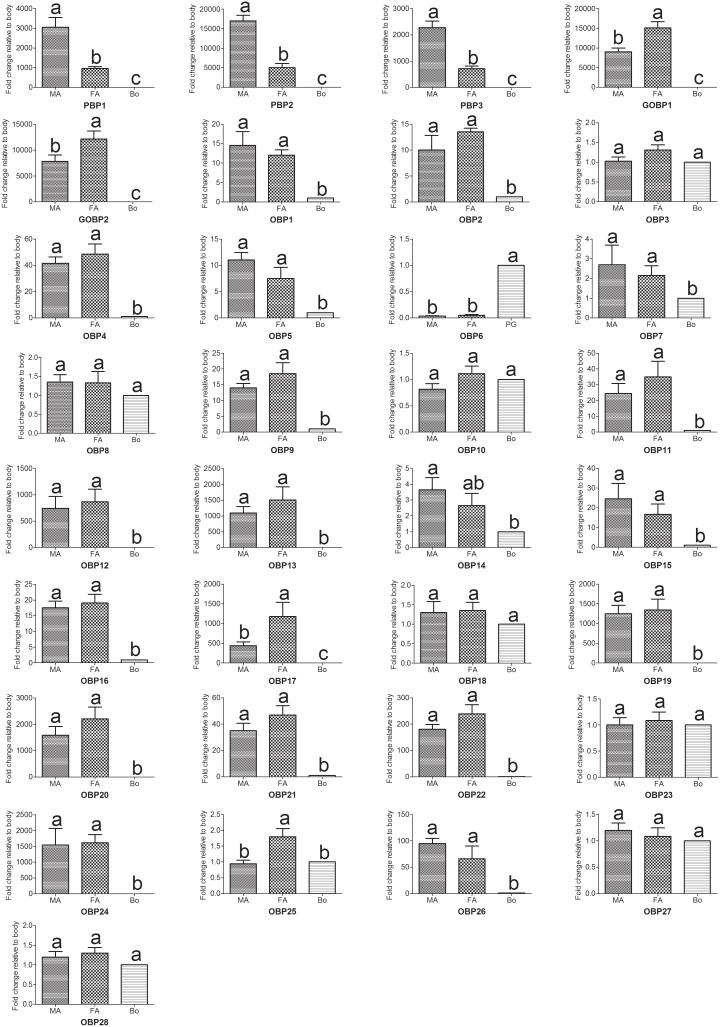
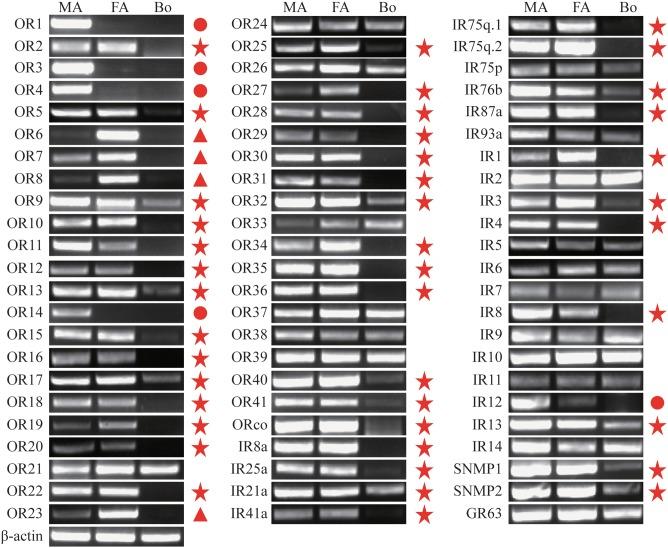
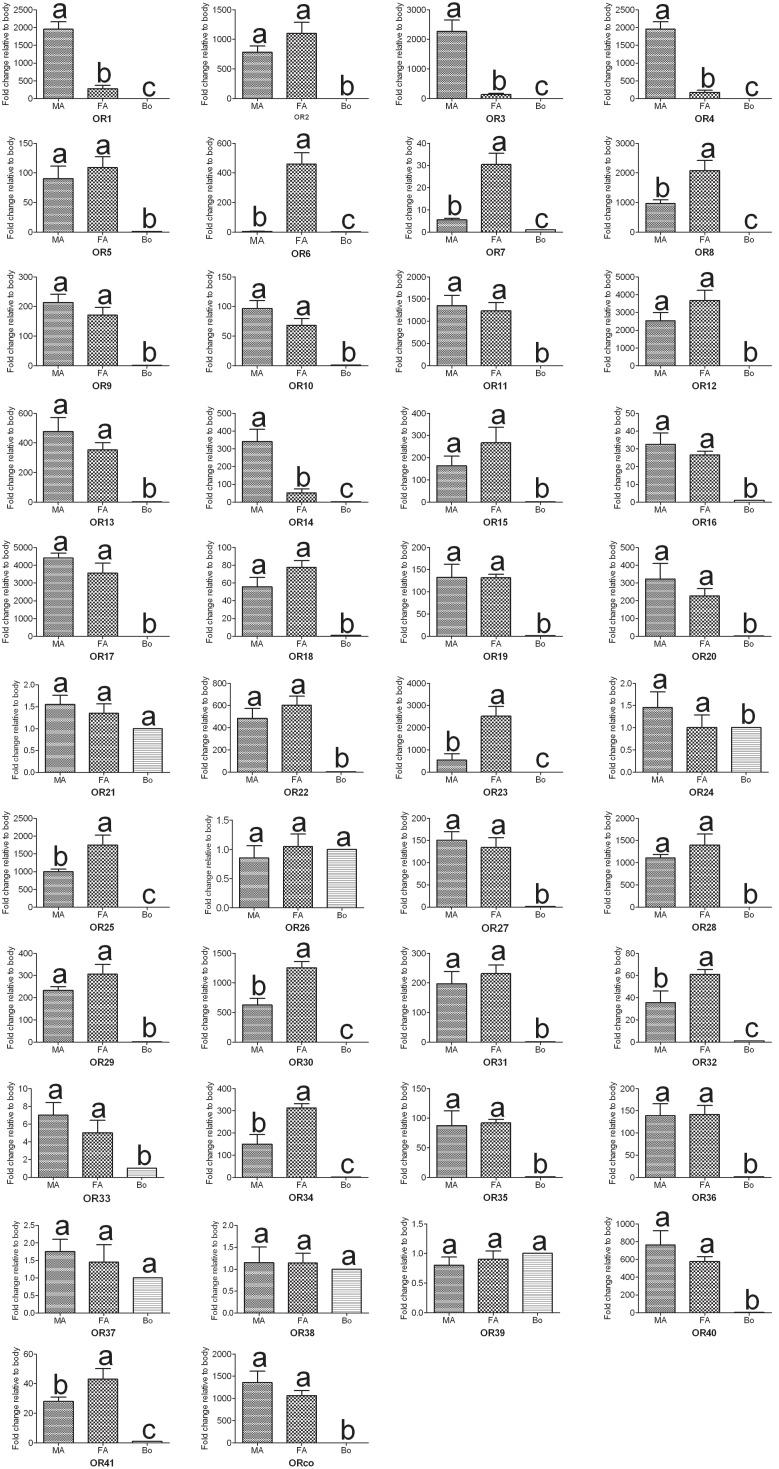
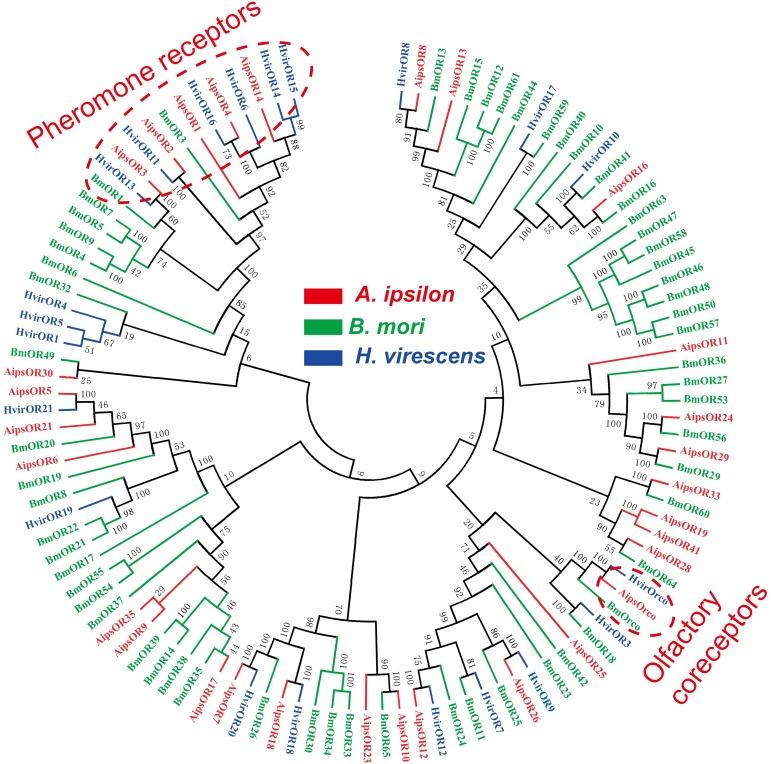
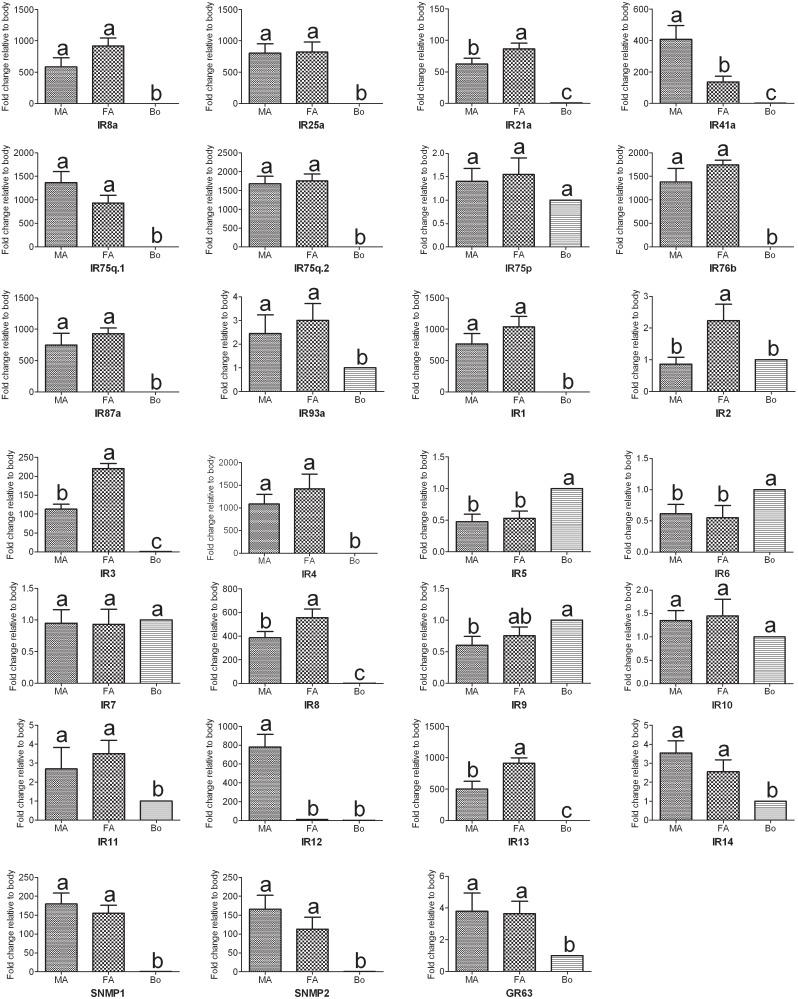
Insects use their sensitive and selective olfactory system to detect outside chemical odorants, such as female sex pheromones and host plant volatiles. Several groups of olfactory proteins participate in the odorant detection process, including odorant binding proteins (OBPs), chemosensory proteins (CSPs), odorant receptors (ORs), ionotropic receptors (IRs) and sensory neuron membrane proteins (SNMPs). The identification and functional characterization of these olfactory proteins will enhance our knowledge of the molecular basis of insect chemoreception. In this study, we report the identification and differential expression profiles of these olfactory genes in the black cutworm moth Agrotis ipsilon. In total, 33 OBPs, 12 CSPs, 42 ORs, 24 IRs, 2 SNMPs and 1 gustatory receptor (GR) were annotated from the A. ipsilon antennal transcriptomes, and further RT-PCR and RT-qPCR revealed that 22 OBPs, 3 CSPs, 35 ORs, 14 IRs and the 2 SNMPs are uniquely or primarily expressed in the male and female antennae. Furthermore, one OBP (AipsOBP6) and one CSP (AipsCSP2) were exclusively expressed in the female sex pheromone gland. These antennae-enriched OBPs, CSPs, ORs, IRs and SNMPs were suggested to be responsible for pheromone and general odorant detection and thus could be meaningful target genes for us to study their biological functions in vivo and in vitro.
昆虫利用其灵敏且具选择性的嗅觉系统来检测外界化学气味物质,如雌性性信息素和寄主植物挥发物。几组嗅觉蛋白参与气味物质检测过程,包括气味结合蛋白(OBP)、化学感受蛋白(CSP)、气味受体(OR)、离子型受体(IR)和感觉神经元膜蛋白(SNMP)。这些嗅觉蛋白的鉴定和功能表征将增进我们对昆虫化学感受分子基础的了解。在本研究中,我们报告了这些嗅觉基因在小地老虎蛾(Agrotis ipsilon)中的鉴定及差异表达谱。从小地老虎蛾触角转录组中共注释出33个OBP、12个CSP、42个OR、24个IR、2个SNMP和1个味觉受体(GR),进一步的RT-PCR和RT-qPCR分析表明,22个OBP、3个CSP、35个OR、14个IR和2个SNMP在雄性和雌性触角中特异性表达或主要表达。此外,一个OBP(AipsOBP6)和一个CSP(AipsCSP2)仅在雌性性信息素腺中表达。这些在触角中富集的OBP、CSP、OR、IR和SNMP被认为负责性信息素和一般气味物质的检测,因此可能是我们研究其体内和体外生物学功能的有意义的靶基因。

 Zotero 插件