
着丝粒:动粒机器的染色质基础。
The centromere: chromatin foundation for the kinetochore machinery.
机构信息
Department of Molecular Genetics, National Institute of Genetics and Graduate University for Advanced Studies (SOKENDAI), Mishima, Shizuoka 411-8540, Japan.
Wellcome Trust Centre for Cell Biology, University of Edinburgh, King's Buildings, Mayfield Road, Edinburgh, EH9 3JR, UK.
出版信息
Dev Cell. 2014 Sep 8;30(5):496-508. doi: 10.1016/j.devcel.2014.08.016.
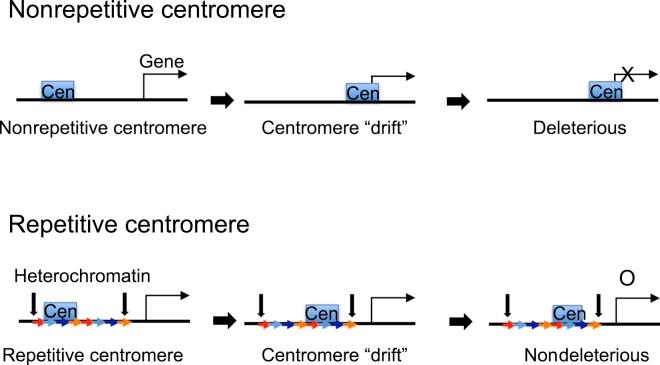
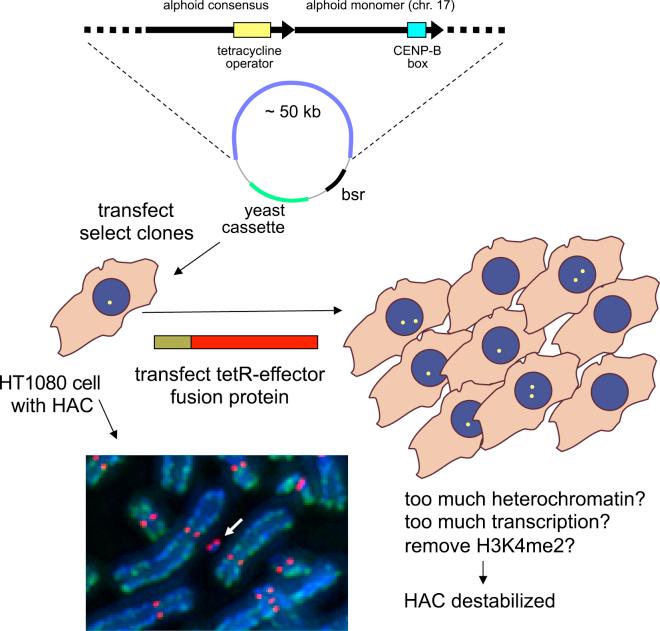
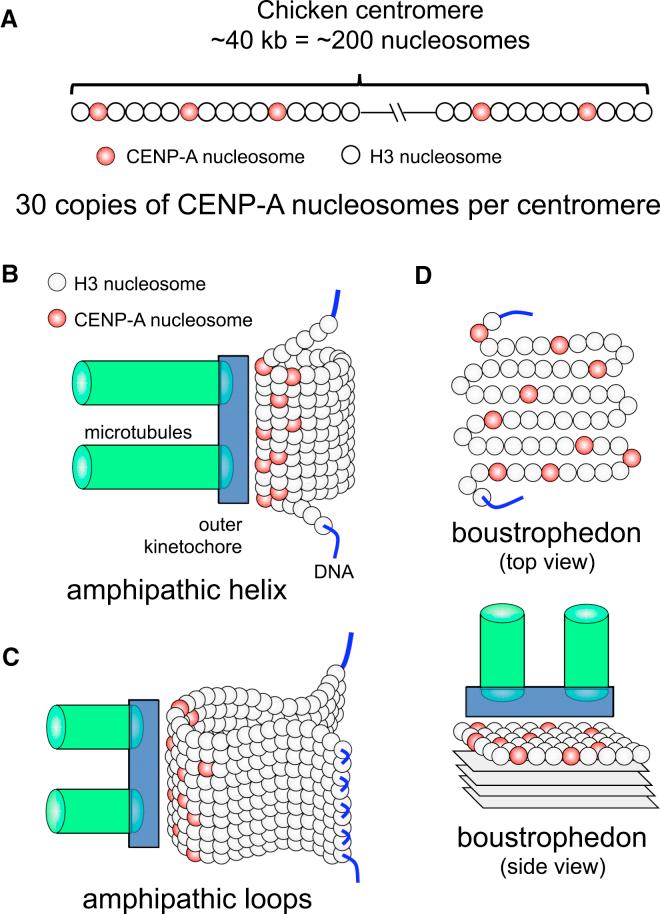
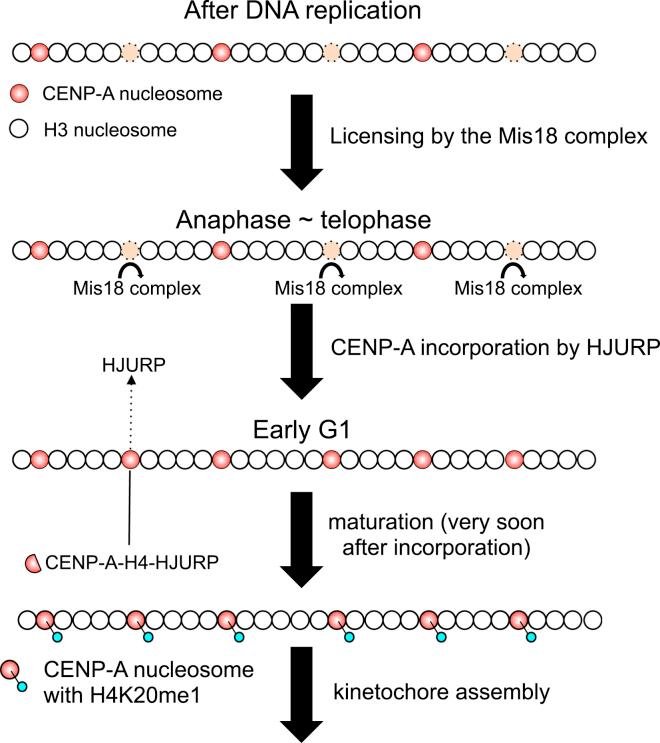
Since discovery of the centromere-specific histone H3 variant CENP-A, centromeres have come to be defined as chromatin structures that establish the assembly site for the complex kinetochore machinery. In most organisms, centromere activity is defined epigenetically, rather than by specific DNA sequences. In this review, we describe selected classic work and recent progress in studies of centromeric chromatin with a focus on vertebrates. We consider possible roles for repetitive DNA sequences found at most centromeres, chromatin factors and modifications that assemble and activate CENP-A chromatin for kinetochore assembly, plus the use of artificial chromosomes and kinetochores to study centromere function.
自从发现着丝粒特异性组蛋白 H3 变体 CENP-A 以来,着丝粒已被定义为建立复杂动粒机制组装位点的染色质结构。在大多数生物体中,着丝粒活性是通过表观遗传定义的,而不是通过特定的 DNA 序列。在这篇综述中,我们描述了经典工作和近年来脊椎动物着丝粒染色质研究的进展。我们考虑了在大多数着丝粒中发现的重复 DNA 序列、组装和激活 CENP-A 染色质用于动粒组装的染色质因子和修饰,以及使用人工染色体和动粒研究着丝粒功能。



 Zotero 插件