
嗜麦芽窄食单胞菌Csp_P可降低媒介蚊子感染疟疾和登革热的几率,并具有昆虫致病性和体外抗病原体活性。
Chromobacterium Csp_P reduces malaria and dengue infection in vector mosquitoes and has entomopathogenic and in vitro anti-pathogen activities.
作者信息
Ramirez Jose Luis, Short Sarah M, Bahia Ana C, Saraiva Raul G, Dong Yuemei, Kang Seokyoung, Tripathi Abhai, Mlambo Godfree, Dimopoulos George
机构信息
W. Harry Feinstone Department of Molecular Microbiology and Immunology, Bloomberg School of Public Health, Johns Hopkins University, Baltimore, Maryland, United States of America.
出版信息
PLoS Pathog. 2014 Oct 23;10(10):e1004398. doi: 10.1371/journal.ppat.1004398. eCollection 2014 Oct.
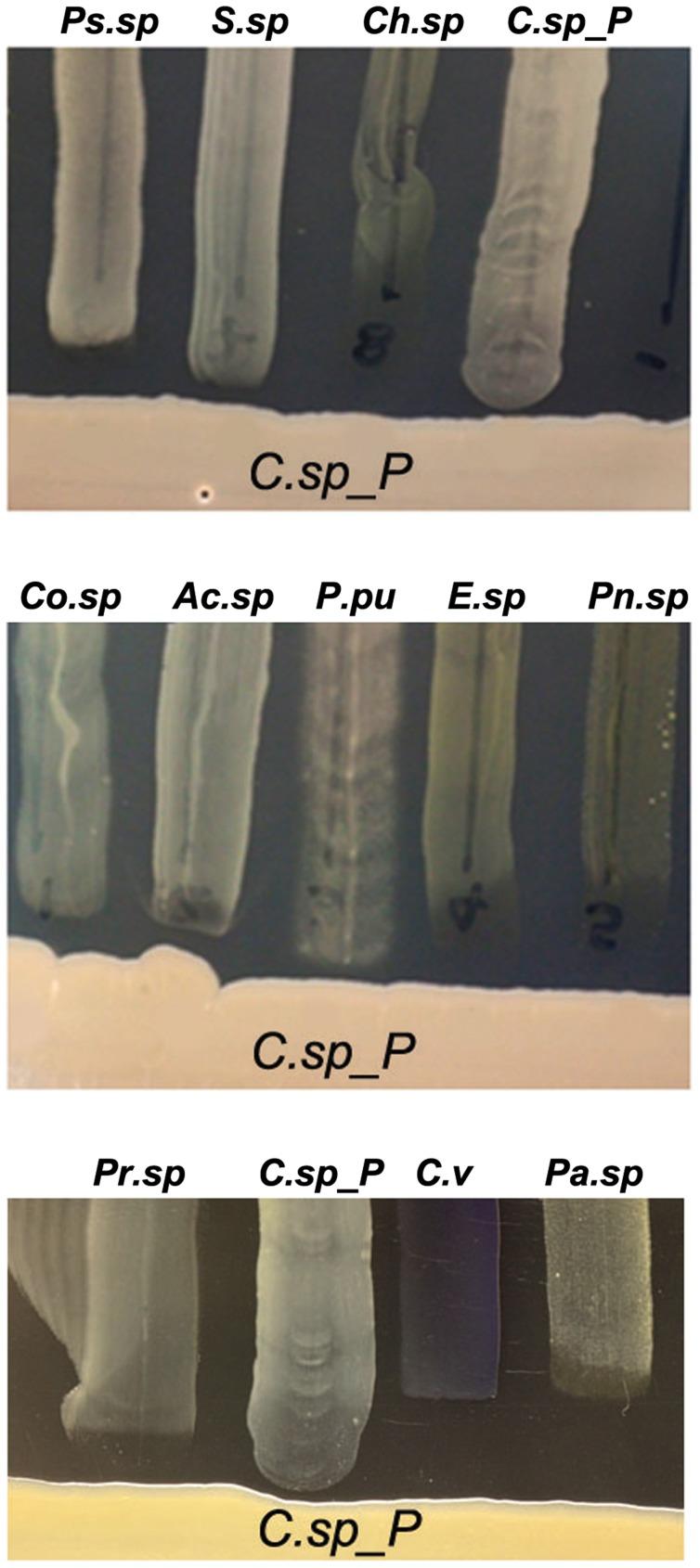
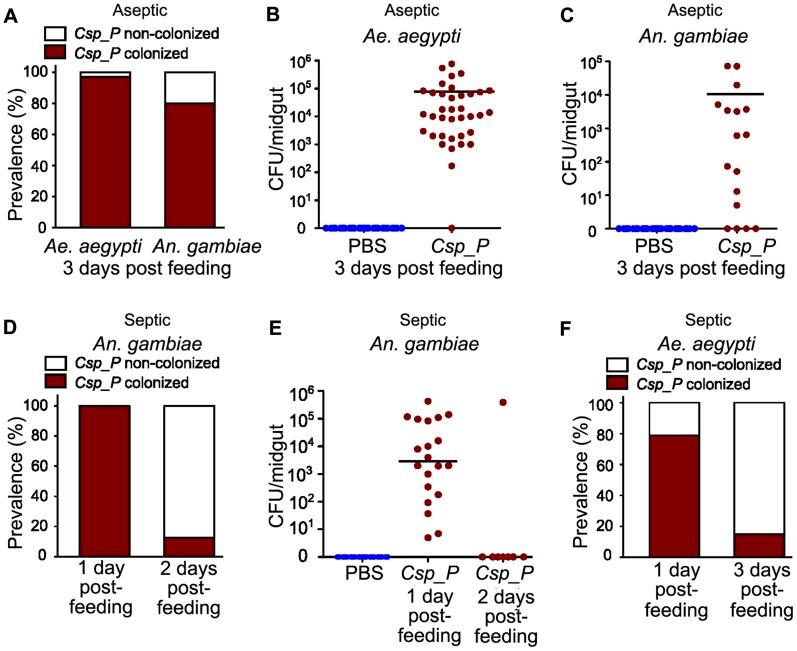
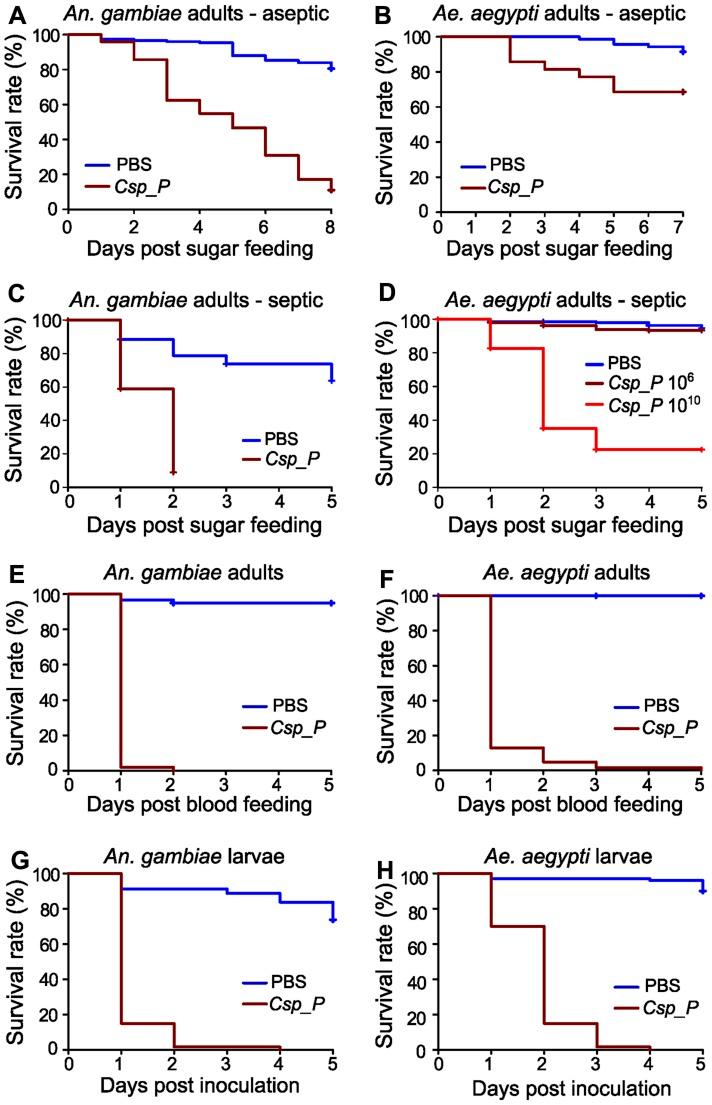
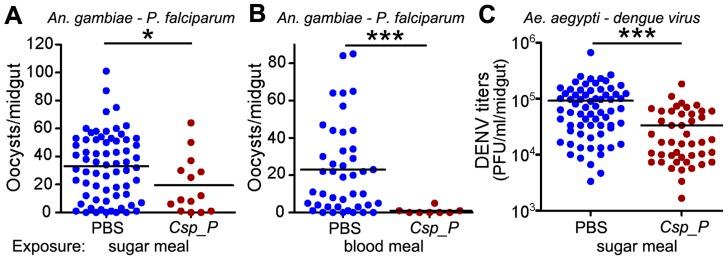
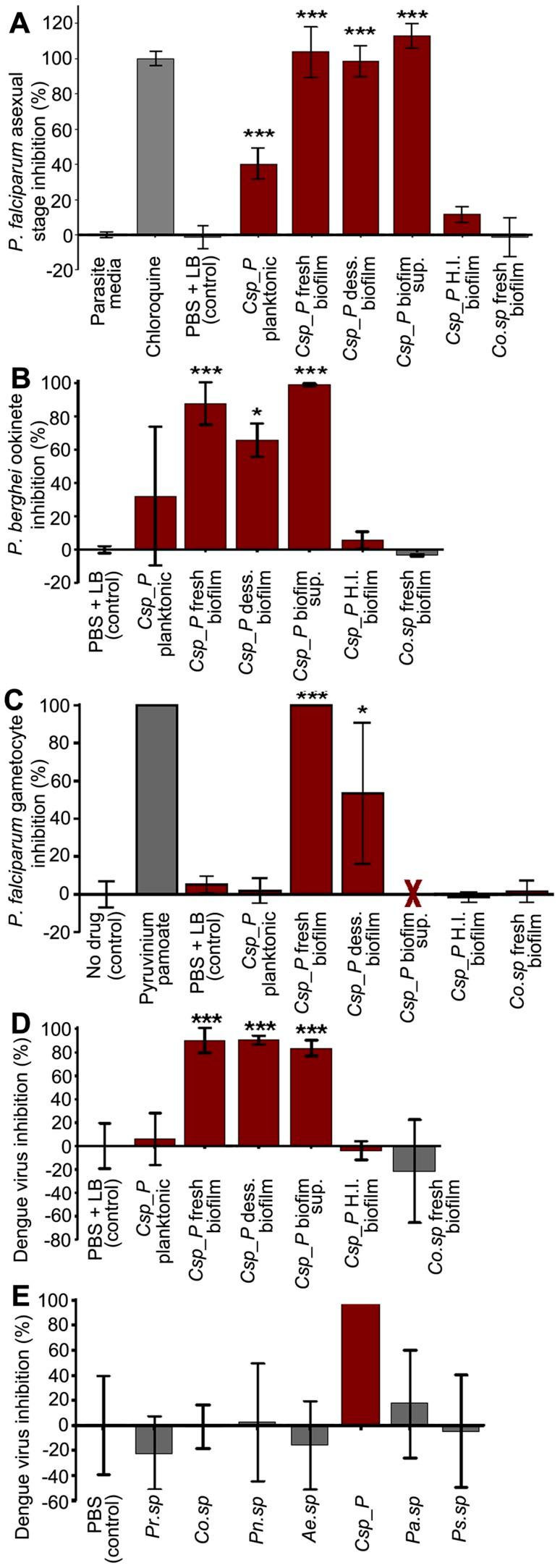
Plasmodium and dengue virus, the causative agents of the two most devastating vector-borne diseases, malaria and dengue, are transmitted by the two most important mosquito vectors, Anopheles gambiae and Aedes aegypti, respectively. Insect-bacteria associations have been shown to influence vector competence for human pathogens through multi-faceted actions that include the elicitation of the insect immune system, pathogen sequestration by microbes, and bacteria-produced anti-pathogenic factors. These influences make the mosquito microbiota highly interesting from a disease control perspective. Here we present a bacterium of the genus Chromobacterium (Csp_P), which was isolated from the midgut of field-caught Aedes aegypti. Csp_P can effectively colonize the mosquito midgut when introduced through an artificial nectar meal, and it also inhibits the growth of other members of the midgut microbiota. Csp_P colonization of the midgut tissue activates mosquito immune responses, and Csp_P exposure dramatically reduces the survival of both the larval and adult stages. Ingestion of Csp_P by the mosquito significantly reduces its susceptibility to Plasmodium falciparum and dengue virus infection, thereby compromising the mosquito's vector competence. This bacterium also exerts in vitro anti-Plasmodium and anti-dengue activities, which appear to be mediated through Csp_P -produced stable bioactive factors with transmission-blocking and therapeutic potential. The anti-pathogen and entomopathogenic properties of Csp_P render it a potential candidate for the development of malaria and dengue control strategies.
疟原虫和登革病毒分别是两种最具破坏性的媒介传播疾病——疟疾和登革热的病原体,它们分别由两种最重要的蚊虫媒介冈比亚按蚊和埃及伊蚊传播。昆虫与细菌的关联已被证明可通过多方面的作用影响蚊虫对人类病原体的传播能力,这些作用包括激发昆虫免疫系统、微生物对病原体的隔离以及细菌产生的抗病原体因子。从疾病控制的角度来看,这些影响使得蚊虫微生物群极具研究价值。在此,我们展示了一种从野外捕获的埃及伊蚊中肠分离出的色杆菌属细菌(Csp_P)。当通过人工花蜜餐引入时,Csp_P能够有效地定殖于蚊虫中肠,并且它还能抑制中肠微生物群其他成员的生长。Csp_P在中肠组织的定殖会激活蚊虫的免疫反应,而暴露于Csp_P会显著降低幼虫和成虫阶段的存活率。蚊虫摄入Csp_P会显著降低其对恶性疟原虫和登革病毒感染的易感性,从而损害蚊虫的传播能力。这种细菌在体外还具有抗疟原虫和抗登革病毒的活性,这似乎是通过Csp_P产生的具有传播阻断和治疗潜力的稳定生物活性因子介导的。Csp_P的抗病原体和昆虫致病性特性使其成为开发疟疾和登革热控制策略的潜在候选者。

 Zotero 插件