
表皮生长因子受体对卵巢癌细胞获得铂耐药性的作用
Contributions of the Epidermal Growth Factor Receptor to Acquisition of Platinum Resistance in Ovarian Cancer Cells.
作者信息
Granados Michaela L, Hudson Laurie G, Samudio-Ruiz Sabrina L
机构信息
Department of Pharmaceutical Sciences, College of Pharmacy, University of New Mexico, Albuquerque, NM, United States of America.
出版信息
PLoS One. 2015 Sep 9;10(9):e0136893. doi: 10.1371/journal.pone.0136893. eCollection 2015.
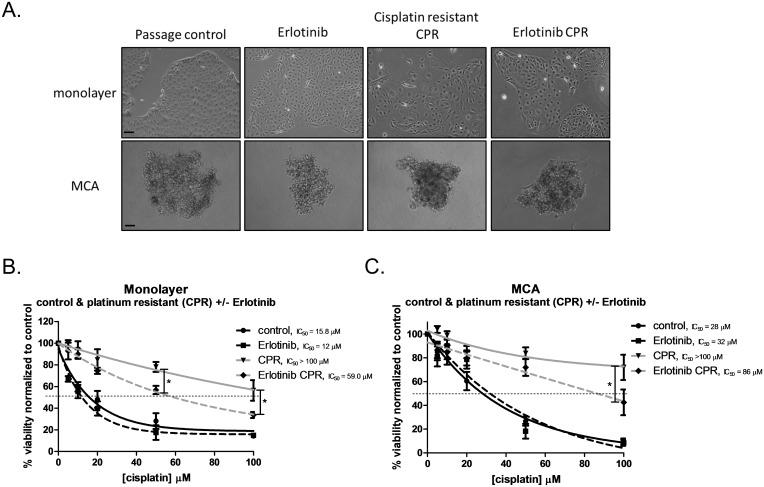
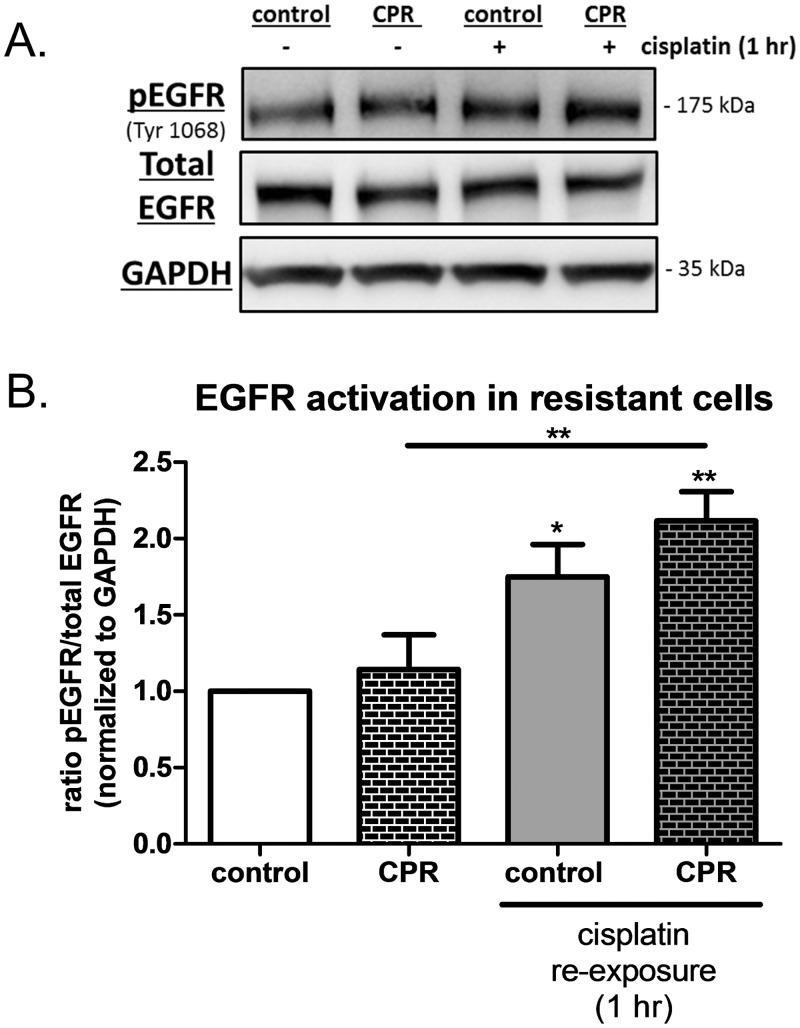
Acquisition of platinum resistance following first line platinum/taxane therapy is commonly observed in ovarian cancer patients and prevents clinical effectiveness. There are few options to prevent platinum resistance; however, demethylating agents have been shown to resensitize patients to platinum therapy thereby demonstrating that DNA methylation is a critical contributor to the development of platinum resistance. We previously reported the Epidermal Growth Factor Receptor (EGFR) is a novel regulator of DNA methyltransferase (DNMT) activity and DNA methylation. Others have shown that EGFR activation is linked to cisplatin treatment and platinum resistance. We hypothesized that cisplatin induced activation of the EGFR mediates changes in DNA methylation associated with the development of platinum resistance. To investigate this, we evaluated EGFR signaling and DNMT activity after acute cisplatin exposure. We also developed an in vitro model of platinum resistance to examine the effects of EGFR inhibition on acquisition of cisplatin resistance. Acute cisplatin treatment activates the EGFR and downstream signaling pathways, and induces an EGFR mediated increase in DNMT activity. Cisplatin resistant cells also showed increased DNMT activity and global methylation. EGFR inhibition during repeated cisplatin treatments generated cells that were more sensitive to cisplatin and did not develop increases in DNA methylation or DNMT activity compared to controls. These findings suggest that activation of EGFR during platinum treatment contributes to the development of platinum resistance. Furthermore, EGFR inhibition may be an effective strategy at attenuating the development of platinum resistance thereby enhancing the effectiveness of chemotherapeutic treatment in ovarian cancer.
在卵巢癌患者中,一线铂类/紫杉烷治疗后出现铂耐药的情况很常见,这会影响临床疗效。预防铂耐药的方法很少;然而,去甲基化剂已被证明可使患者对铂治疗重新敏感,从而表明DNA甲基化是铂耐药发生的关键因素。我们之前报道过表皮生长因子受体(EGFR)是DNA甲基转移酶(DNMT)活性和DNA甲基化的新型调节因子。其他人已经表明EGFR激活与顺铂治疗和铂耐药有关。我们假设顺铂诱导的EGFR激活介导了与铂耐药发生相关的DNA甲基化变化。为了研究这一点,我们评估了急性顺铂暴露后的EGFR信号传导和DNMT活性。我们还建立了一个铂耐药的体外模型,以研究EGFR抑制对顺铂耐药获得的影响。急性顺铂治疗可激活EGFR和下游信号通路,并诱导EGFR介导的DNMT活性增加。顺铂耐药细胞也显示出DNMT活性和整体甲基化增加。与对照组相比,在重复顺铂治疗期间抑制EGFR可产生对顺铂更敏感的细胞,且DNA甲基化或DNMT活性没有增加。这些发现表明铂治疗期间EGFR的激活有助于铂耐药的发生。此外,抑制EGFR可能是一种有效的策略,可减轻铂耐药的发生,从而提高卵巢癌化疗的疗效。




 Zotero 插件