
岩白菜素是播娘蒿种子提取物的一种生物活性成分,可诱导A549人肺癌细胞中的相互基因调控。
Helveticoside is a biologically active component of the seed extract of Descurainia sophia and induces reciprocal gene regulation in A549 human lung cancer cells.
作者信息
Kim Bu-Yeo, Lee Jun, Kim No Soo
机构信息
KM-Convergence Research Division, Korea Institute of Oriental Medicine, 1672 Yuseong-daero, Yuseong-gu, Daejeon, 305-811, Republic of Korea.
Department of Korean Medicine Life Science and Technology, Korea University of Science and Technology, Daejeon, Republic of Korea.
出版信息
BMC Genomics. 2015 Sep 18;16(1):713. doi: 10.1186/s12864-015-1918-1.
BACKGROUND
Although the pharmacological activities of the seed extract of Descurainia sophia have been proven to be useful against cough, asthma, and edema, the biologically active components, particularly at the molecular level, remain elusive. Therefore, we aimed to identify the active component of an ethanol extract of D. sophia seeds (EEDS) by applying a systematic genomic approach.
RESULTS
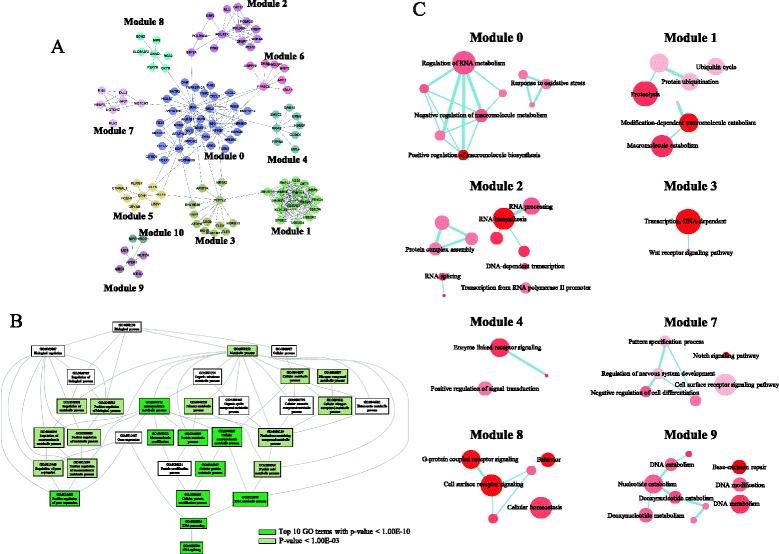
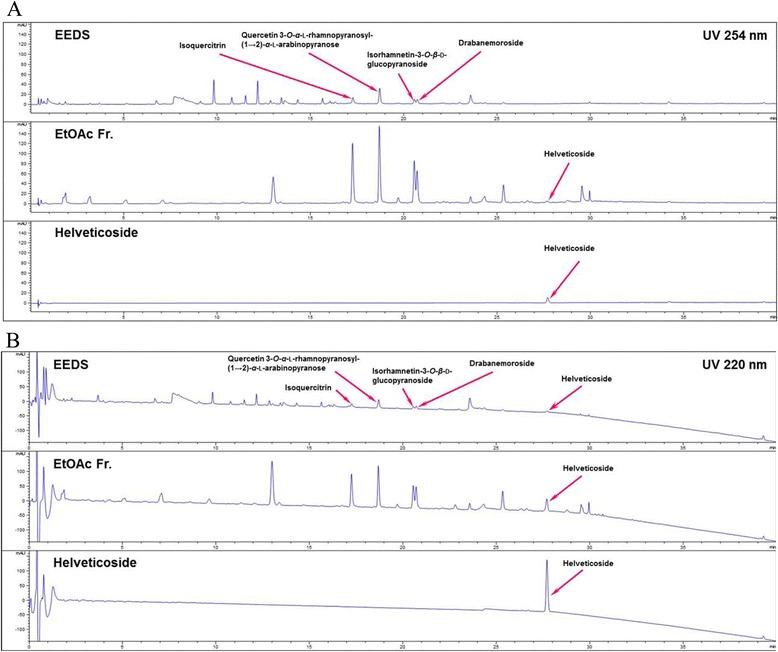
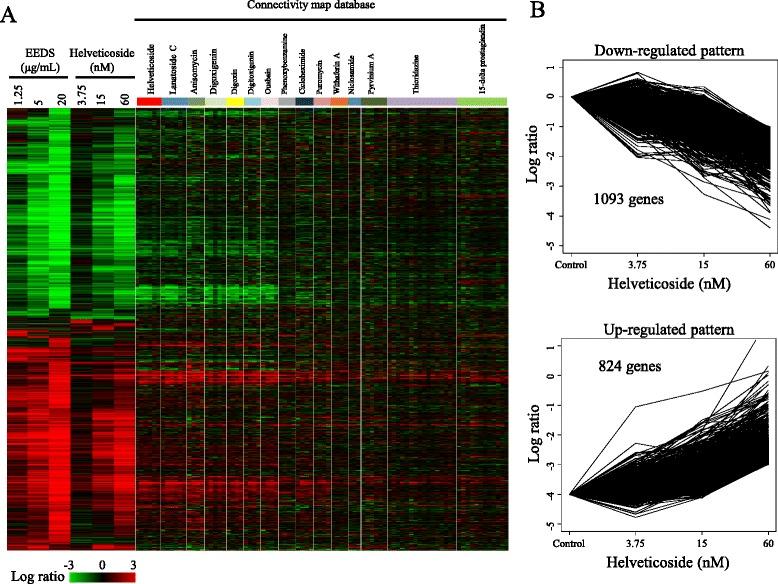
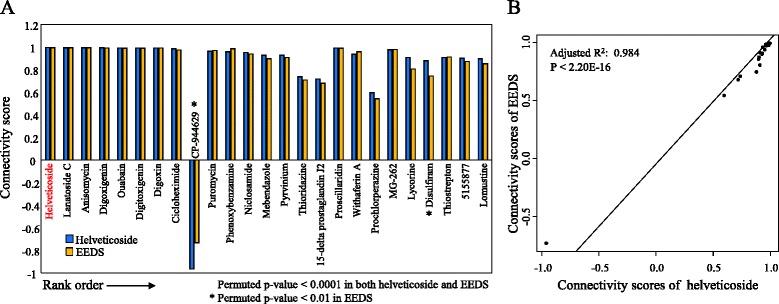
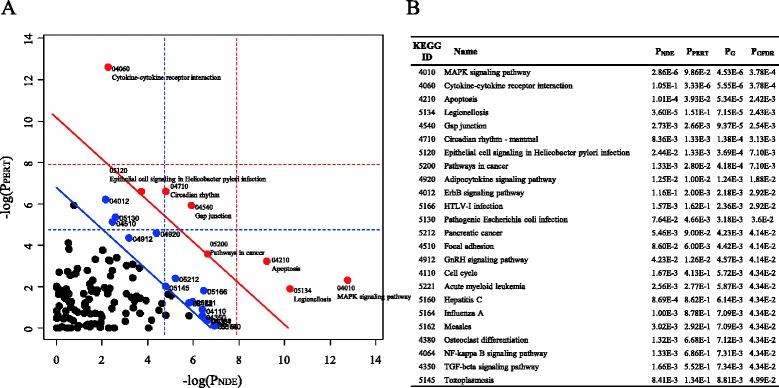
After treatment with EEDS, the dose-dependently expressed genes in A549 cells were used to query the Connectivity map to determine which small molecules could closely mimic EEDS in terms of whole gene expression. Gene ontology and pathway analyses were also performed to identify the functional involvement of the drug responsive genes. In addition, interaction network and enrichment map assays were implemented to measure the functional network structure of the drug-responsive genes. A Connectivity map analysis of differentially expressed genes resulted in the discovery of helveticoside as a candidate drug that induces a similar gene expression pattern to EEDS. We identified the presence of helveticoside in EEDS and determined that helveticoside was responsible for the dose-dependent gene expression induced by EEDS. Gene ontology and pathway analyses revealed that the metabolism and signaling processes in A549 cells were reciprocally regulated by helveticoside and inter-connected as functional modules. Additionally, in an ontological network analysis, diverse cancer type-related genes were found to be associated with the biological functions regulated by helveticoside.
CONCLUSIONS
Using bioinformatic analyses, we confirmed that helveticoside is a biologically active component of EEDS that induces reciprocal regulation of metabolism and signaling processes. Our approach may provide novel insights to the herbal research field for identifying biologically active components from extracts.
背景
虽然已证明播娘蒿种子提取物的药理活性对咳嗽、哮喘和水肿有效,但其生物活性成分,尤其是在分子水平上的成分,仍不清楚。因此,我们旨在通过应用系统的基因组方法来鉴定播娘蒿种子乙醇提取物(EEDS)的活性成分。
结果
用EEDS处理后,将A549细胞中剂量依赖性表达的基因用于查询连通性图谱,以确定哪些小分子在全基因表达方面可紧密模拟EEDS。还进行了基因本体论和通路分析,以确定药物反应性基因的功能参与情况。此外,实施了相互作用网络和富集图谱分析,以测量药物反应性基因的功能网络结构。对差异表达基因的连通性图谱分析发现,瑞士糖苷是一种候选药物,其诱导的基因表达模式与EEDS相似。我们鉴定出EEDS中存在瑞士糖苷,并确定瑞士糖苷是EEDS诱导剂量依赖性基因表达的原因。基因本体论和通路分析表明,A549细胞中的代谢和信号传导过程受到瑞士糖苷的相互调节,并作为功能模块相互连接。此外,在本体网络分析中,发现多种癌症类型相关基因与瑞士糖苷调节的生物学功能相关。
结论
通过生物信息学分析,我们证实瑞士糖苷是EEDS的一种生物活性成分,可诱导代谢和信号传导过程的相互调节。我们的方法可能为从提取物中鉴定生物活性成分的草药研究领域提供新的见解。


 Zotero 插件