
哺乳动物细胞如何获取铜:一种必需但可能有毒的金属。
How Mammalian Cells Acquire Copper: An Essential but Potentially Toxic Metal.
作者信息
Kaplan Jack H, Maryon Edward B
机构信息
Department of Biochemistry and Molecular Genetics, University of Illinois College of Medicine, Chicago, Illinois.
Department of Biochemistry and Molecular Genetics, University of Illinois College of Medicine, Chicago, Illinois.
出版信息
Biophys J. 2016 Jan 5;110(1):7-13. doi: 10.1016/j.bpj.2015.11.025.
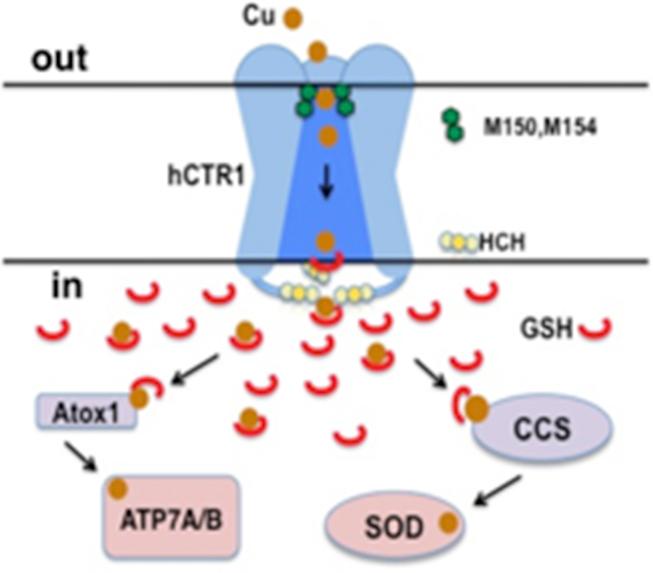
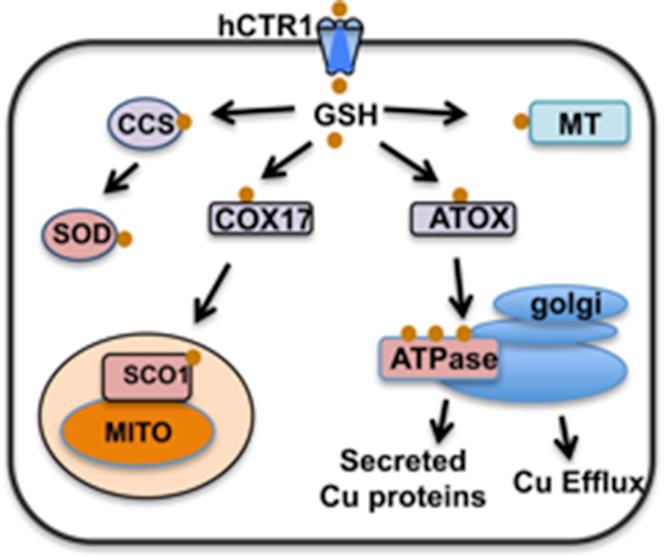
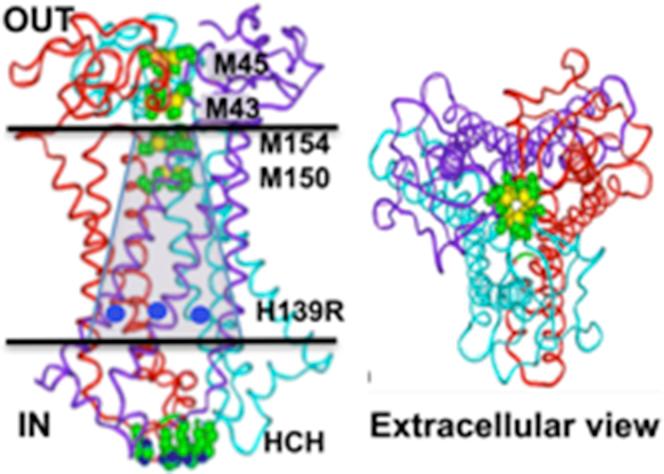
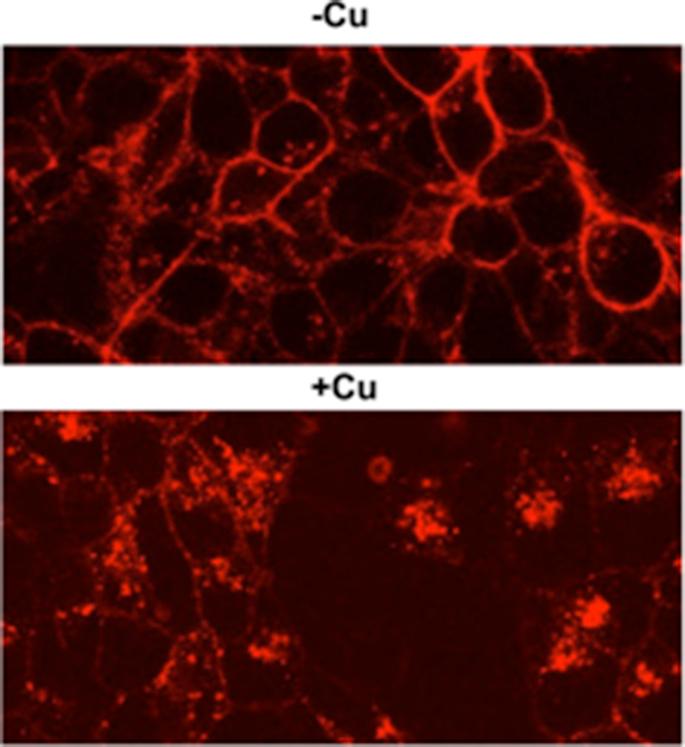
Cu is an essential micronutrient, and its role in an array of critical physiological processes is receiving increasing attention. Among these are wound healing, angiogenesis, protection against reactive oxygen species, neurotransmitter synthesis, modulation of normal cell and tumor growth, and many others. Free Cu is absent inside cells, and a network of proteins has evolved to deliver this essential, but potentially toxic, metal ion to its intracellular target sites following uptake. Although the total body content is low (∼100 mg), dysfunction of proteins involved in Cu homeostasis results in several well-characterized human disease states. The initial step in cellular Cu handling is its transport across the plasma membrane, a subject of study for only about the last 25 years. This review focuses on the initial step in Cu homeostasis, the properties of the major protein, hCTR1, that mediates Cu uptake, and the status of our understanding of this highly specialized transport system. Although a high-resolution structure of the protein is still lacking, an array of biochemical and biophysical studies have provided a picture of how hCTR1 mediates Cu(I) transport and how Cu is delivered to the proteins in the intracellular milieu. Recent studies provide evidence that the transporter also plays a key protective role in the regulation of cellular Cu via regulatory endocytosis, lowering its surface expression, in response to elevated Cu loads.
铜是一种必需的微量营养素,其在一系列关键生理过程中的作用正受到越来越多的关注。这些过程包括伤口愈合、血管生成、抗氧化应激、神经递质合成、正常细胞和肿瘤生长的调节等。细胞内不存在游离铜,摄取后,一系列蛋白质构成的网络会将这种必需但可能有毒的金属离子输送到细胞内的靶位点。尽管人体总铜含量较低(约100毫克),但参与铜稳态的蛋白质功能失调会导致几种特征明确的人类疾病状态。细胞处理铜的第一步是将其转运穿过质膜,这一领域的研究大约始于过去25年。本综述聚焦于铜稳态的第一步、介导铜摄取的主要蛋白质hCTR1的特性,以及我们对这个高度专业化转运系统的理解现状。尽管该蛋白质的高分辨率结构仍未确定,但一系列生化和生物物理研究已描绘出hCTR1介导铜(I)转运以及铜如何在细胞内环境中传递给蛋白质的过程。最近的研究表明,该转运蛋白还通过调节性内吞作用在细胞铜的调节中发挥关键保护作用,即响应铜负荷升高降低其表面表达。

 Zotero 插件