
对代表广泛疾病严重程度的中东呼吸综合征患者的病毒脱落和免疫反应进行比较和动力学分析。
Comparative and kinetic analysis of viral shedding and immunological responses in MERS patients representing a broad spectrum of disease severity.
作者信息
Min Chan-Ki, Cheon Shinhye, Ha Na-Young, Sohn Kyung Mok, Kim Yuri, Aigerim Abdimadiyeva, Shin Hyun Mu, Choi Ji-Yeob, Inn Kyung-Soo, Kim Jin-Hwan, Moon Jae Young, Choi Myung-Sik, Cho Nam-Hyuk, Kim Yeon-Sook
机构信息
Department of Microbiology and Immunology, Seoul National University College of Medicine, Seoul, Republic of Korea.
Department of Biomedical Sciences, Seoul National University College of Medicine, Seoul, Republic of Korea.
出版信息
Sci Rep. 2016 May 5;6:25359. doi: 10.1038/srep25359.
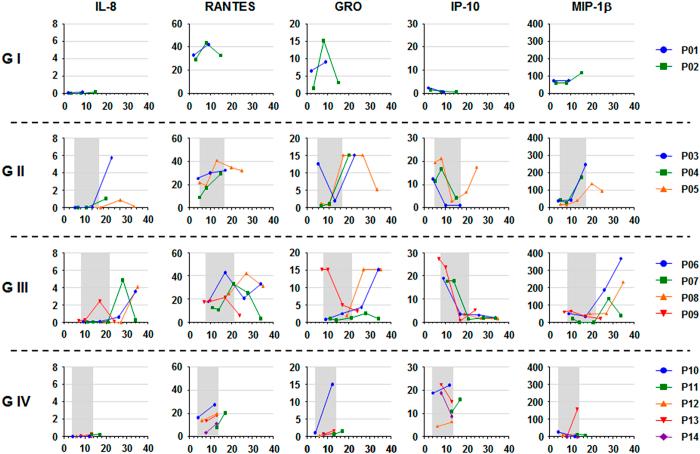
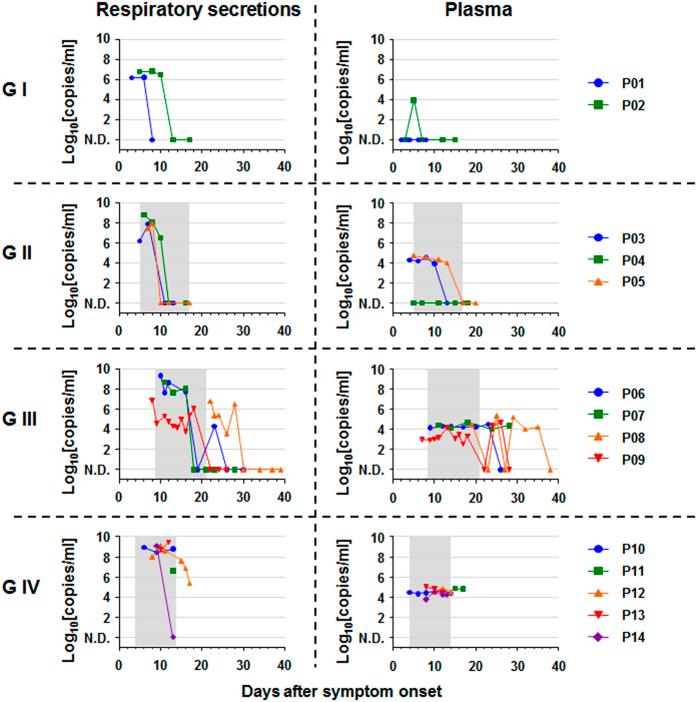
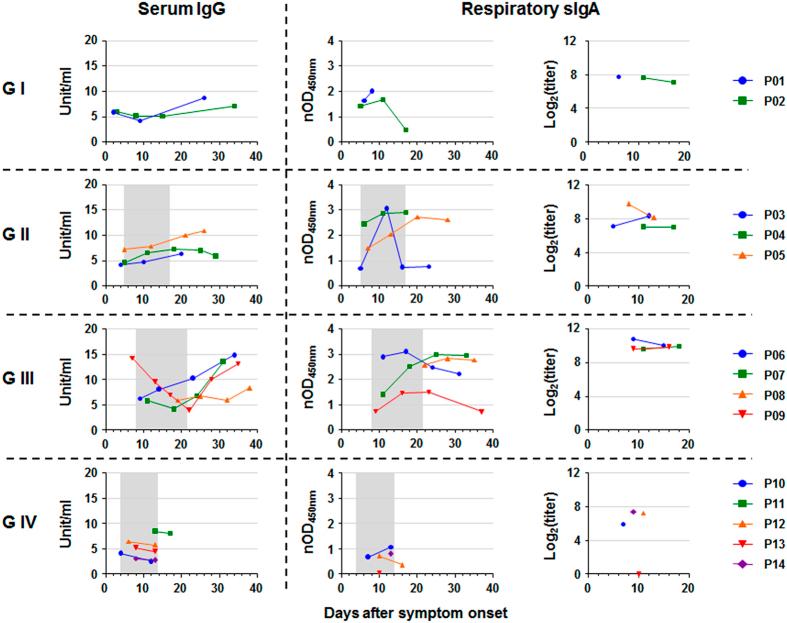
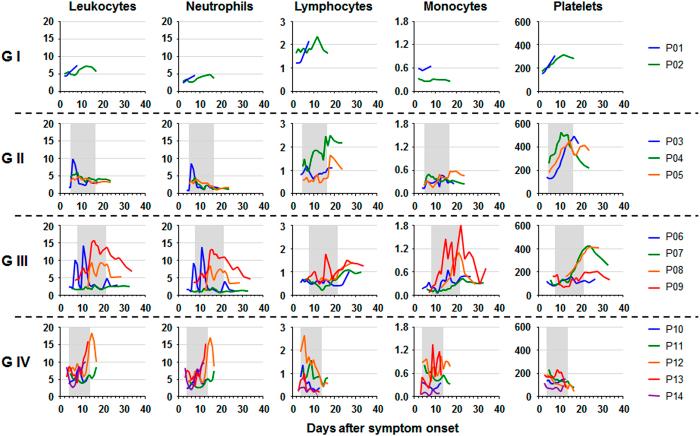
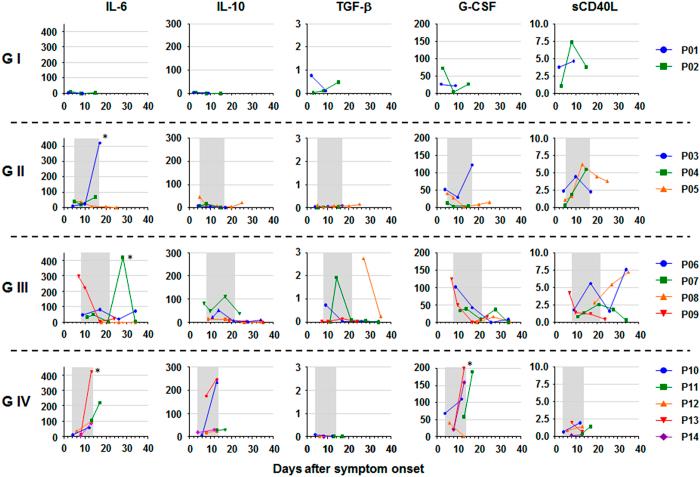
Despite the ongoing spread of MERS, there is limited knowledge of the factors affecting its severity and outcomes. We analyzed clinical data and specimens from fourteen MERS patients treated in a hospital who collectively represent a wide spectrum of disease severity, ranging from mild febrile illness to fatal pneumonia, and classified the patients into four groups based on severity and mortality. Comparative and kinetic analyses revealed that high viral loads, weak antibody responses, and lymphopenia accompanying thrombocytopenia were associated with disease mortality, whereas persistent and gradual increases in lymphocyte responses might be required for effective immunity against MERS-CoV infection. Leukocytosis, primarily due to increased neutrophils and monocytes, was generally observed in more severe and fatal cases. The blood levels of cytokines such as IL-10, IL-15, TGF-β, and EGF were either positively or negatively correlated with disease mortality. Robust induction of various chemokines with differential kinetics was more prominent in patients that recovered from pneumonia than in patients with mild febrile illness or deceased patients. The correlation of the virological and immunological responses with disease severity and mortality, as well as their responses to current antiviral therapy, may have prognostic significance during the early phase of MERS.
尽管中东呼吸综合征(MERS)仍在持续传播,但对于影响其严重程度和预后的因素,人们了解有限。我们分析了一家医院收治的14例MERS患者的临床数据和标本,这些患者总体代表了从轻度发热性疾病到致命性肺炎的广泛疾病严重程度范围,并根据严重程度和死亡率将患者分为四组。比较分析和动态分析显示,高病毒载量、弱抗体反应以及伴有血小板减少的淋巴细胞减少与疾病死亡率相关,而针对MERS-CoV感染的有效免疫可能需要淋巴细胞反应持续且逐渐增强。白细胞增多主要是由于中性粒细胞和单核细胞增加,通常在病情更严重和致命的病例中观察到。白细胞介素-10(IL-10)、白细胞介素-15(IL-15)、转化生长因子-β(TGF-β)和表皮生长因子(EGF)等细胞因子的血液水平与疾病死亡率呈正相关或负相关。与轻度发热性疾病患者或死亡患者相比,从肺炎中康复的患者中,具有不同动力学的各种趋化因子的强烈诱导更为显著。病毒学和免疫学反应与疾病严重程度和死亡率的相关性,以及它们对当前抗病毒治疗的反应,可能在MERS早期阶段具有预后意义。


 Zotero 插件