
利用锌指蛋白、转录激活样效应因子及CRISPR/dCas9系统唤醒休眠的肿瘤抑制基因。
Waking up dormant tumor suppressor genes with zinc fingers, TALEs and the CRISPR/dCas9 system.
作者信息
Garcia-Bloj Benjamin, Moses Colette, Sgro Agustin, Plani-Lam Janice, Arooj Mahira, Duffy Ciara, Thiruvengadam Shreyas, Sorolla Anabel, Rashwan Rabab, Mancera Ricardo L, Leisewitz Andrea, Swift-Scanlan Theresa, Corvalan Alejandro H, Blancafort Pilar
机构信息
Cancer Epigenetics group, The Harry Perkins Institute of Medical Research, Perth, WA, 6009, Australia.
School of Anatomy, Physiology and Human Biology, The University of Western Australia, Perth, WA, 6009, Australia.
出版信息
Oncotarget. 2016 Sep 13;7(37):60535-60554. doi: 10.18632/oncotarget.11142.
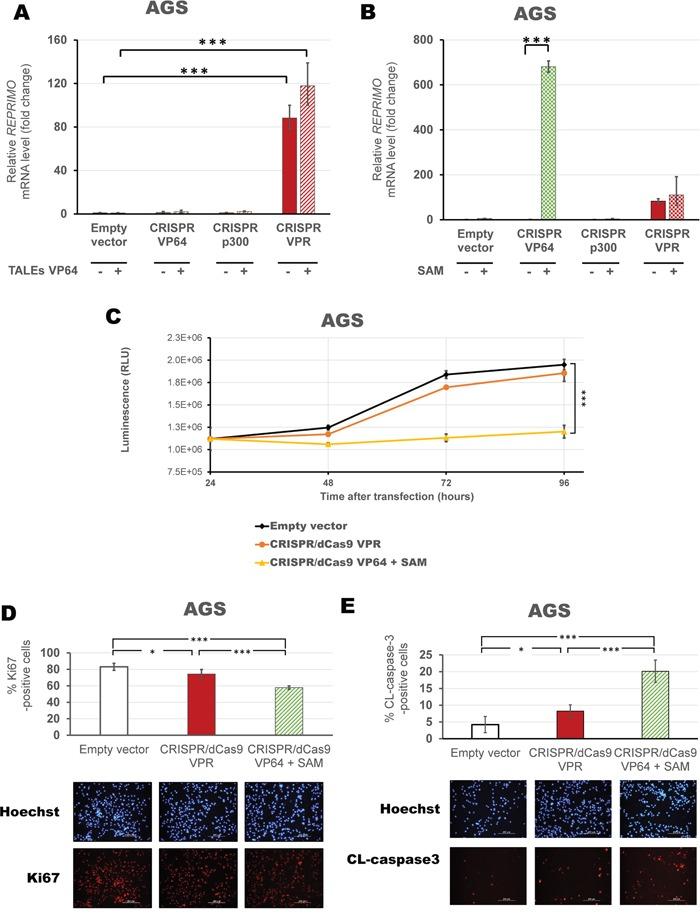
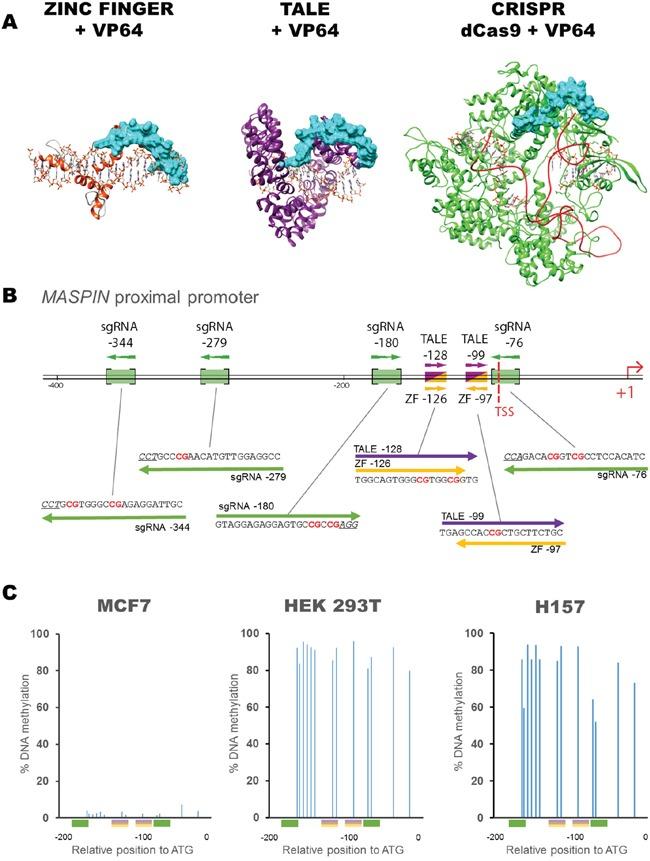
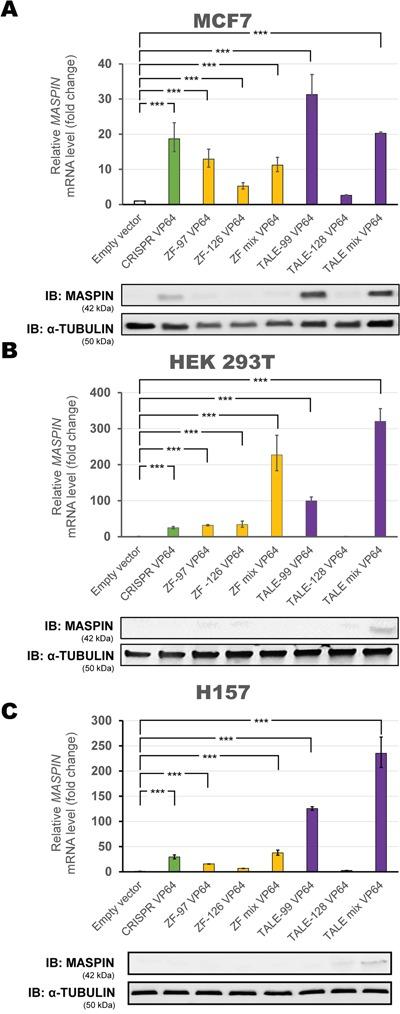
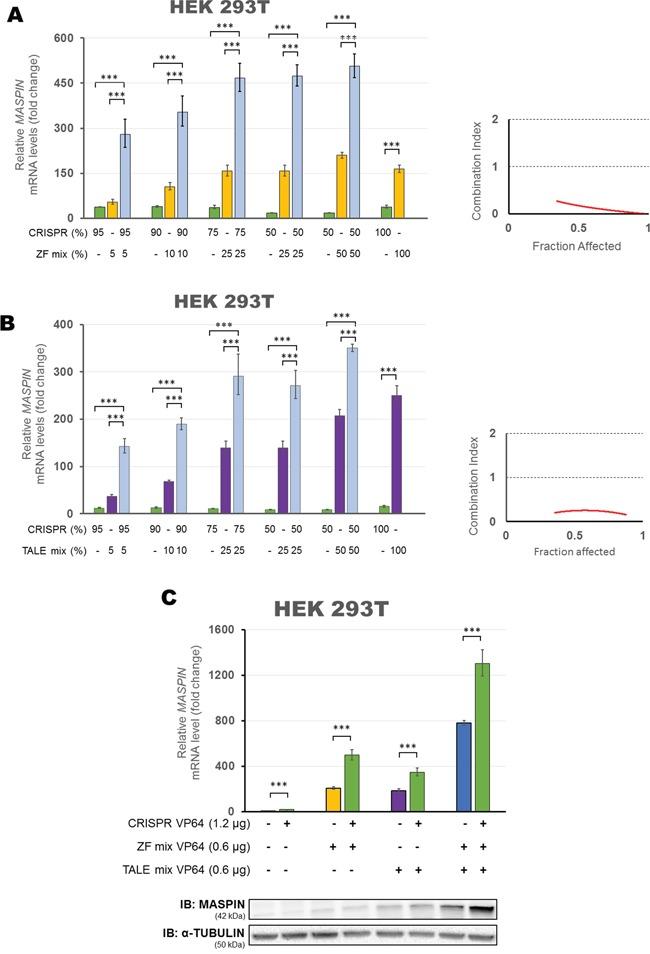
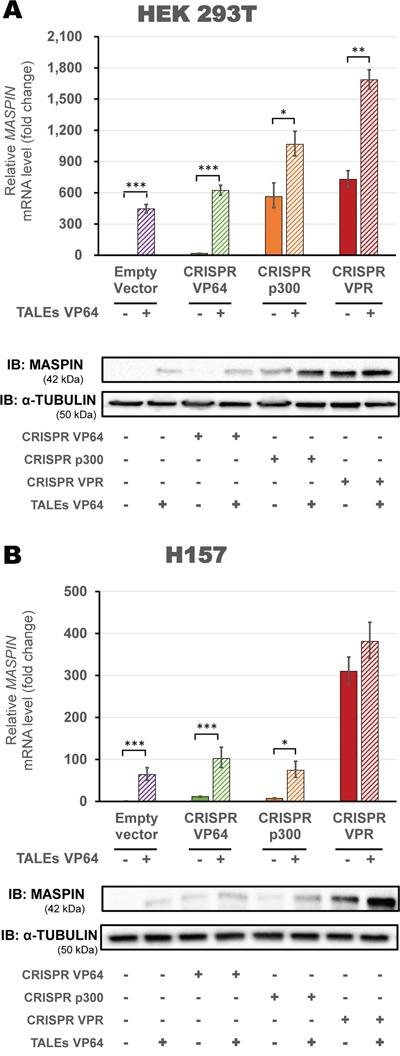
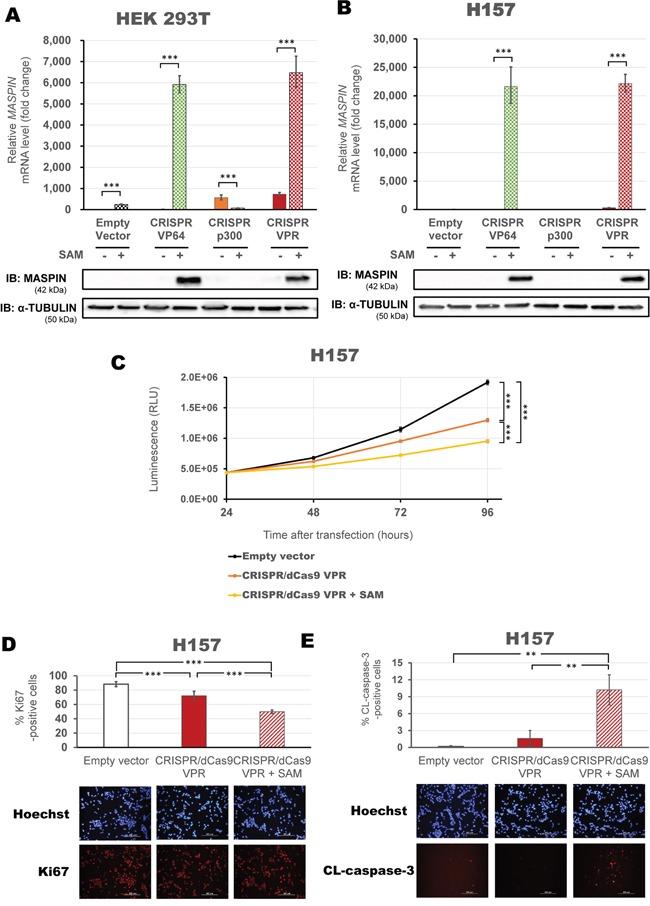
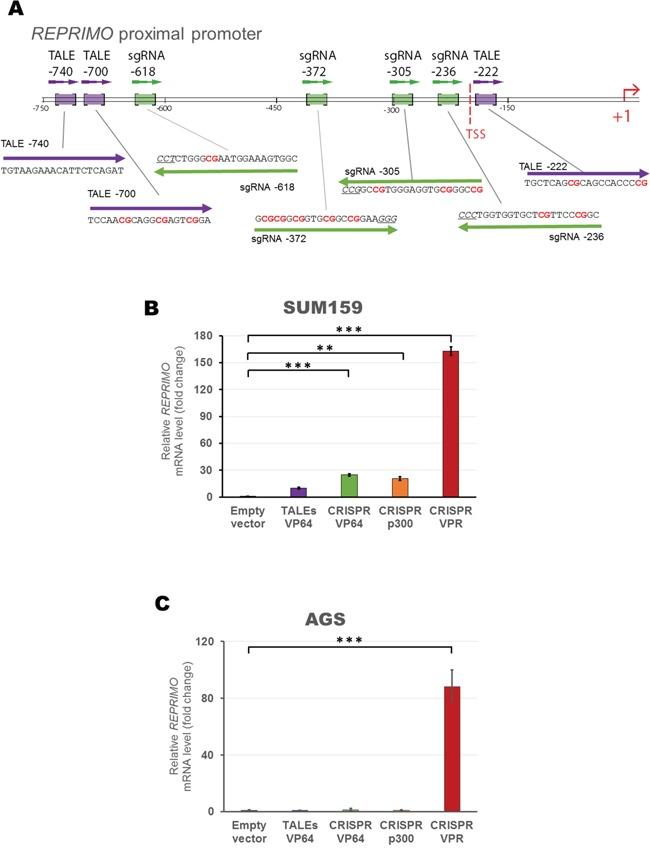
The aberrant epigenetic silencing of tumor suppressor genes (TSGs) plays a major role during carcinogenesis and regaining these dormant functions by engineering of sequence-specific epigenome editing tools offers a unique opportunity for targeted therapies. However, effectively normalizing the expression and regaining tumor suppressive functions of silenced TSGs by artificial transcription factors (ATFs) still remains a major challenge. Herein we describe novel combinatorial strategies for the potent reactivation of two class II TSGs, MASPIN and REPRIMO, in cell lines with varying epigenetic states, using the CRISPR/dCas9 associated system linked to a panel of effector domains (VP64, p300, VPR and SAM complex), as well as with protein-based ATFs, Zinc Fingers and TALEs. We found that co-delivery of multiple effector domains using a combination of CRISPR/dCas9 and TALEs or SAM complex maximized activation in highly methylated promoters. In particular, CRISPR/dCas9 VPR with SAM upregulated MASPIN mRNA (22,145-fold change) in H157 lung cancer cells, with accompanying re-expression of MASPIN protein, which led to a concomitant inhibition of cell proliferation and induction of apoptotic cell death. Consistently, CRISPR/dCas9 VP64 with SAM upregulated REPRIMO (680-fold change), which led to phenotypic reprogramming in AGS gastric cancer cells. Altogether, our results outlined novel sequence-specific, combinatorial epigenome editing approaches to reactivate highly methylated TSGs as a promising therapy for cancer and other diseases.
肿瘤抑制基因(TSGs)的异常表观遗传沉默在致癌过程中起主要作用,通过工程化序列特异性表观基因组编辑工具恢复这些休眠功能为靶向治疗提供了独特机会。然而,利用人工转录因子(ATFs)有效使沉默的TSGs表达正常化并恢复其肿瘤抑制功能仍然是一项重大挑战。在此,我们描述了新的组合策略,用于在具有不同表观遗传状态的细胞系中强力重新激活两个II类TSGs,即MASPIN和REPRIMO,使用与一系列效应结构域(VP64、p300、VPR和SAM复合物)相关联的CRISPR/dCas9系统,以及基于蛋白质的ATFs、锌指蛋白和转录激活样效应因子(TALEs)。我们发现,使用CRISPR/dCas9与TALEs或SAM复合物的组合共同递送多个效应结构域可在高度甲基化的启动子中使激活最大化。特别是,CRISPR/dCas9 VPR与SAM在H157肺癌细胞中上调了MASPIN mRNA(22,145倍变化),同时伴随MASPIN蛋白的重新表达,这导致细胞增殖受到抑制并诱导凋亡性细胞死亡。同样,CRISPR/dCas9 VP64与SAM上调了REPRIMO(680倍变化),这导致AGS胃癌细胞发生表型重编程。总之,我们的结果概述了新的序列特异性组合表观基因组编辑方法,以重新激活高度甲基化的TSGs,作为癌症和其他疾病的一种有前景的治疗方法。

 Zotero 插件