
AP5Z1 突变相关的复杂痉挛性截瘫(SPG48)。
Complicated spastic paraplegia in patients with AP5Z1 mutations (SPG48).
机构信息
Cambridge Institute for Medical Research (J.H., J.R.E.), University of Cambridge, Addenbrooke's Hospital, UK; Children's Health Research Center (M.M., A.Y.), Cancer Biology Research Center, Sanford Research, Sioux Falls; Neurogenetics Group (K.S., T.D., J.B., P.D.J.), Department of Molecular Genetics VIB, Antwerp, Belgium; Department of Neurology (K.S., J.B., P.D.J.), Antwerp University Hospital, Belgium; Laboratories of Neurogenetics and Neuropathology (K.S., T.D., J.B., P.D.J.), Institute Born-Bunge, University of Antwerp, Belgium; Department of Neurology (L.S., J. Liepert), Hertie Institute for Clinical Brain Research, Tübingen, Germany; German Center for Neurodegenerative Diseases (DZNE) (L.S.), Tübingen, Germany; Department of Neurology (J. Li), Vanderbilt University, Nashville, TN; Department of Ophthalmology (E.V.A.), Department of Neurology (J.D.B.), Ghent University Hospital, Belgium; National Eye Institute (M.B.D.), National Institutes of Health, Bethesda, MD; Cell Biology Section (R.H.R., C.B.), Neurogenetics Branch, National Institute of Neurological Disorders and Stroke, National Institutes of Health, Bethesda, MD; Department of Neurology (R.H.R.), Johns Hopkins University School of Medicine, Baltimore, MD; Department of Neurorehabilitation (J. Liepert), Kliniken Schmieder, Allensbach, Germany; Department of Human Genetics and Hussman Institute for Human Genomics (S.Z.), Miller School of Medicine, University of Miami, FL; Genetics of Neurodegenerative and Metabolic Diseases Unit (C.M.), IRCCS-Fondazione Istituto Neurologico Carlo Besta, Milan, Italy; Departments of Child Health, Neurology & Genetics (M.C.K.), University of Arizona College of Medicine, Phoenix; Program in Neuroscience (M.C.K.), Arizona State University, Tempe; and Pediatric Movement Disorders Program and Neurogenetics Research Program (M.C.K.), Barrow Neurological Institute, Phoenix Children's Hospital, AZ.
出版信息
Neurol Genet. 2016 Aug 25;2(5):e98. doi: 10.1212/NXG.0000000000000098. eCollection 2016 Oct.
OBJECTIVE
Biallelic mutations in the AP5Z1 gene encoding the AP-5 ζ subunit have been described in a small number of patients with hereditary spastic paraplegia (HSP) (SPG48); we sought to define genotype-phenotype correlations in patients with homozygous or compound heterozygous sequence variants predicted to be deleterious.
METHODS
We performed clinical, radiologic, and pathologic studies in 6 patients with biallelic mutations in AP5Z1.
RESULTS
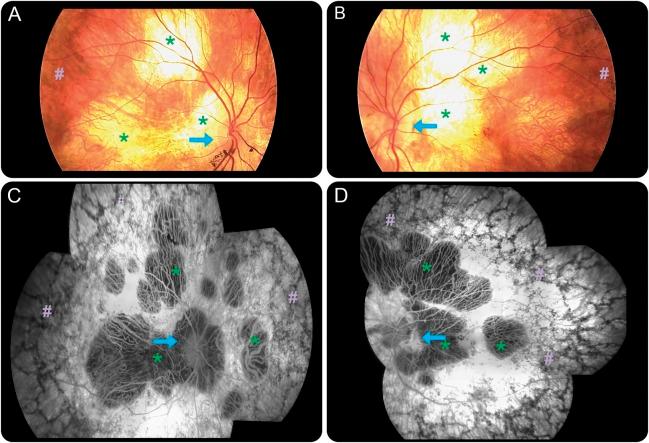
In 4 of the 6 patients, there was complete loss of AP-5 ζ protein. Clinical features encompassed not only prominent spastic paraparesis but also sensory and motor neuropathy, ataxia, dystonia, myoclonus, and parkinsonism. Skin fibroblasts from affected patients tested positive for periodic acid Schiff and autofluorescent storage material, while electron microscopic analysis demonstrated lamellar storage material consistent with abnormal storage of lysosomal material.
CONCLUSIONS
Our findings expand the spectrum of AP5Z1-associated neurodegenerative disorders and point to clinical and pathophysiologic overlap between autosomal recessive forms of HSP and lysosomal storage disorders.
目的
AP5Z1 基因编码 AP-5 ζ 亚基的双等位基因突变已在少数遗传性痉挛性截瘫 (HSP) (SPG48) 患者中被描述;我们试图在预测为有害的纯合子或复合杂合序列变异的患者中定义基因型-表型相关性。
方法
我们对 6 名具有 AP5Z1 双等位基因突变的患者进行了临床、放射学和病理学研究。
结果
在 6 名患者中的 4 名中,AP-5 ζ 蛋白完全缺失。临床特征不仅包括明显的痉挛性截瘫,还包括感觉和运动神经病、共济失调、肌张力障碍、肌阵挛和帕金森病。受影响患者的皮肤成纤维细胞对过碘酸希夫和自发荧光储存物质呈阳性,而电子显微镜分析显示层状储存物质与溶酶体物质异常储存一致。
结论
我们的发现扩展了与 AP5Z1 相关的神经退行性疾病谱,并指出常染色体隐性形式的 HSP 和溶酶体储存障碍之间存在临床和病理生理学重叠。



 Zotero 插件