
将临床批准的头孢菌素重新用于结核病治疗。
Repurposing clinically approved cephalosporins for tuberculosis therapy.
作者信息
Ramón-García Santiago, González Del Río Rubén, Villarejo Angel Santos, Sweet Gaye D, Cunningham Fraser, Barros David, Ballell Lluís, Mendoza-Losana Alfonso, Ferrer-Bazaga Santiago, Thompson Charles J
机构信息
Department of Microbiology and Immunology, Centre for Tuberculosis Research, Life Sciences Centre, University of British Columbia, Vancouver, B.C. V6T 1Z3, Canada.
GlaxoSmithKline-Diseases of the Developing World, Tres Cantos, Madrid, Spain.
出版信息
Sci Rep. 2016 Sep 28;6:34293. doi: 10.1038/srep34293.
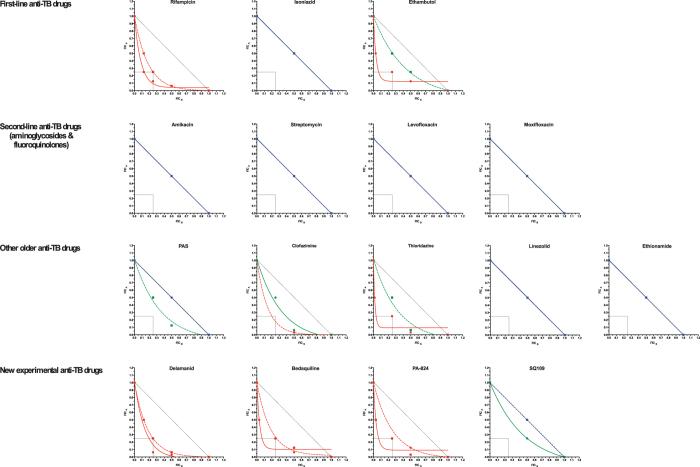
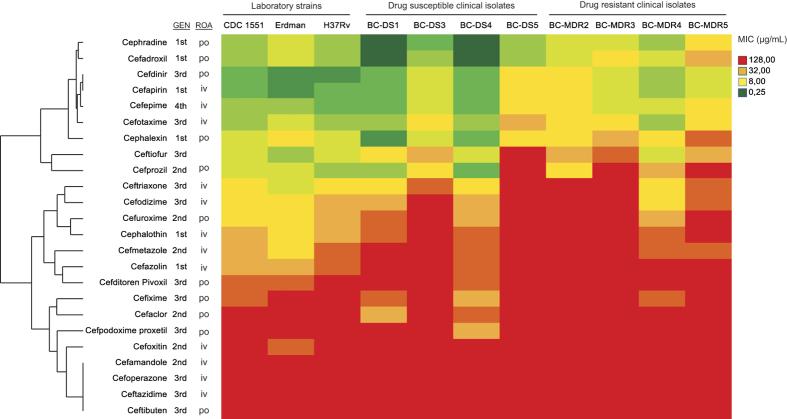
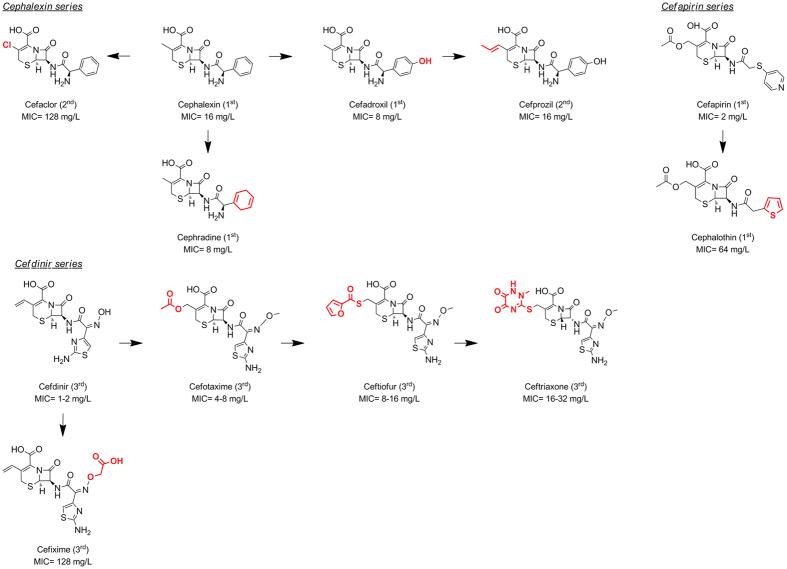
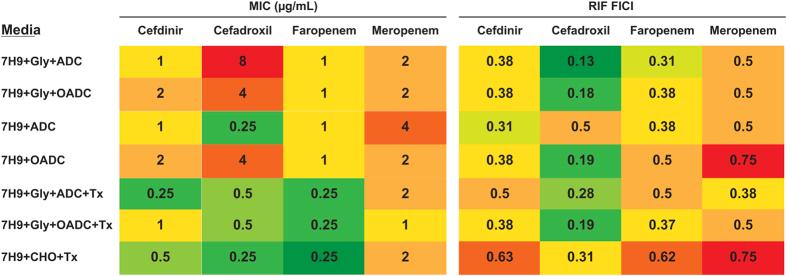
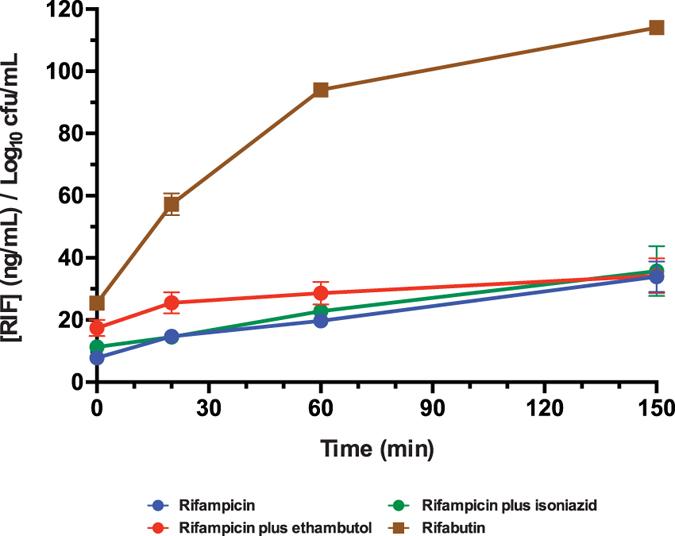
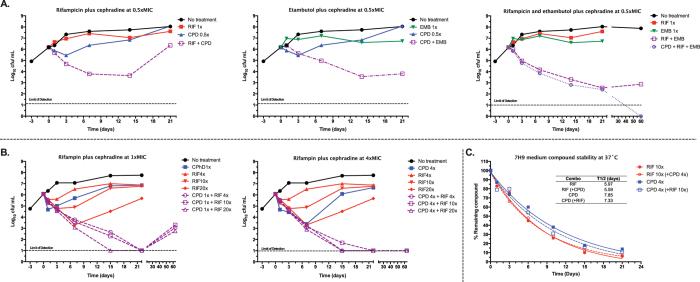
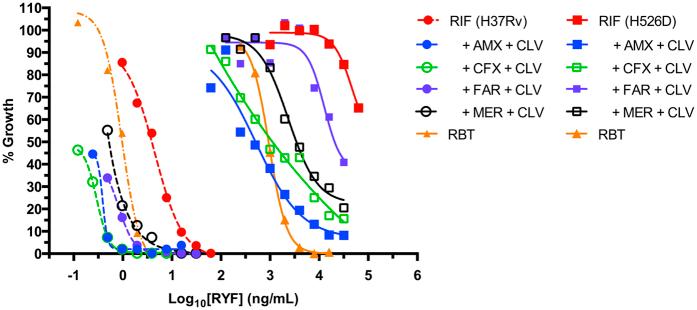
While modern cephalosporins developed for broad spectrum antibacterial activities have never been pursued for tuberculosis (TB) therapy, we identified first generation cephalosporins having clinically relevant inhibitory concentrations, both alone and in synergistic drug combinations. Common chemical patterns required for activity against Mycobacterium tuberculosis were identified using structure-activity relationships (SAR) studies. Numerous cephalosporins were synergistic with rifampicin, the cornerstone drug for TB therapy, and ethambutol, a first-line anti-TB drug. Synergy was observed even under intracellular growth conditions where beta-lactams typically have limited activities. Cephalosporins and rifampicin were 4- to 64-fold more active in combination than either drug alone; however, limited synergy was observed with rifapentine or rifabutin. Clavulanate was a key synergistic partner in triple combinations. Cephalosporins (and other beta-lactams) together with clavulanate rescued the activity of rifampicin against a rifampicin resistant strain. Synergy was not due exclusively to increased rifampicin accumulation within the mycobacterial cells. Cephalosporins were also synergistic with new anti-TB drugs such as bedaquiline and delamanid. Studies will be needed to validate their in vivo activities. However, the fact that cephalosporins are orally bioavailable with good safety profiles, together with their anti-mycobacterial activities reported here, suggest that they could be repurposed within new combinatorial TB therapies.
虽然为广谱抗菌活性而开发的现代头孢菌素从未被用于结核病(TB)治疗,但我们发现第一代头孢菌素单独使用或与药物联合使用时具有临床相关的抑制浓度。利用构效关系(SAR)研究确定了对结核分枝杆菌有活性所需的常见化学模式。许多头孢菌素与利福平(结核病治疗的基石药物)和乙胺丁醇(一线抗结核药物)具有协同作用。即使在β-内酰胺通常活性有限的细胞内生长条件下也观察到了协同作用。头孢菌素与利福平联合使用时的活性比单独使用任何一种药物高4至64倍;然而,与利福喷汀或利福布汀的协同作用有限。克拉维酸是三联组合中的关键协同伙伴。头孢菌素(和其他β-内酰胺类药物)与克拉维酸一起恢复了利福平对利福平耐药菌株的活性。协同作用并非仅仅归因于结核分枝杆菌细胞内利福平积累的增加。头孢菌素与新的抗结核药物如贝达喹啉和地拉曼德也具有协同作用。需要进行研究以验证它们的体内活性。然而,头孢菌素具有口服生物利用度且安全性良好,再加上此处报道的它们的抗分枝杆菌活性,表明它们可在新的联合结核病治疗中重新利用。

 Zotero 插件