
动粒组装与功能的分子视角
A Molecular View of Kinetochore Assembly and Function.
作者信息
Musacchio Andrea, Desai Arshad
机构信息
Department of Mechanistic Cell Biology, Max Planck Institute of Molecular Physiology, Otto-Hahn Straße 11, Dortmund 44227, Germany.
Centre for Medical Biotechnology, Faculty of Biology, University Duisburg-Essen, Essen 45117, Germany.
出版信息
Biology (Basel). 2017 Jan 24;6(1):5. doi: 10.3390/biology6010005.
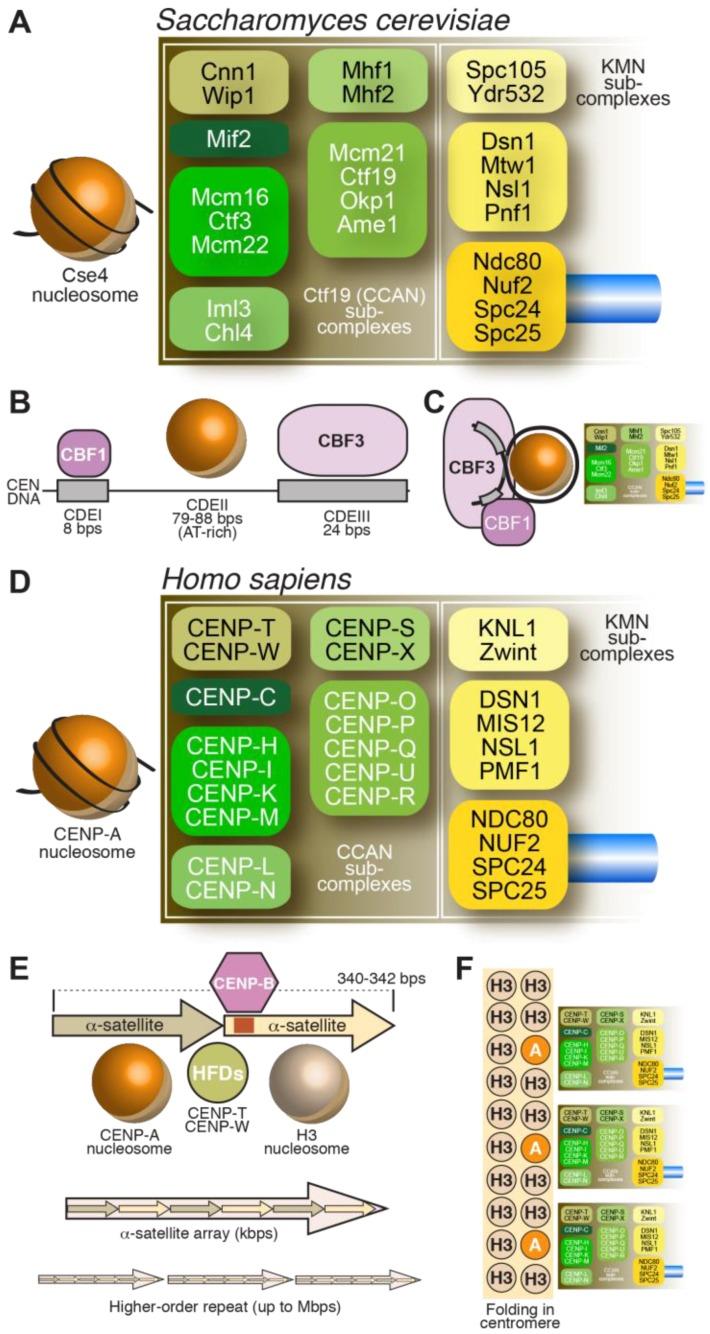
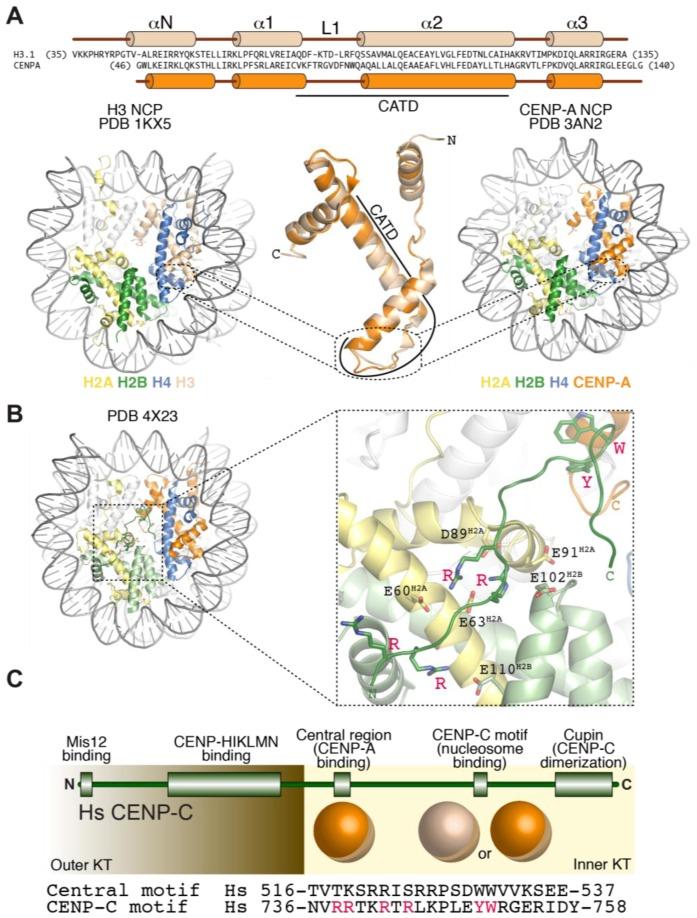
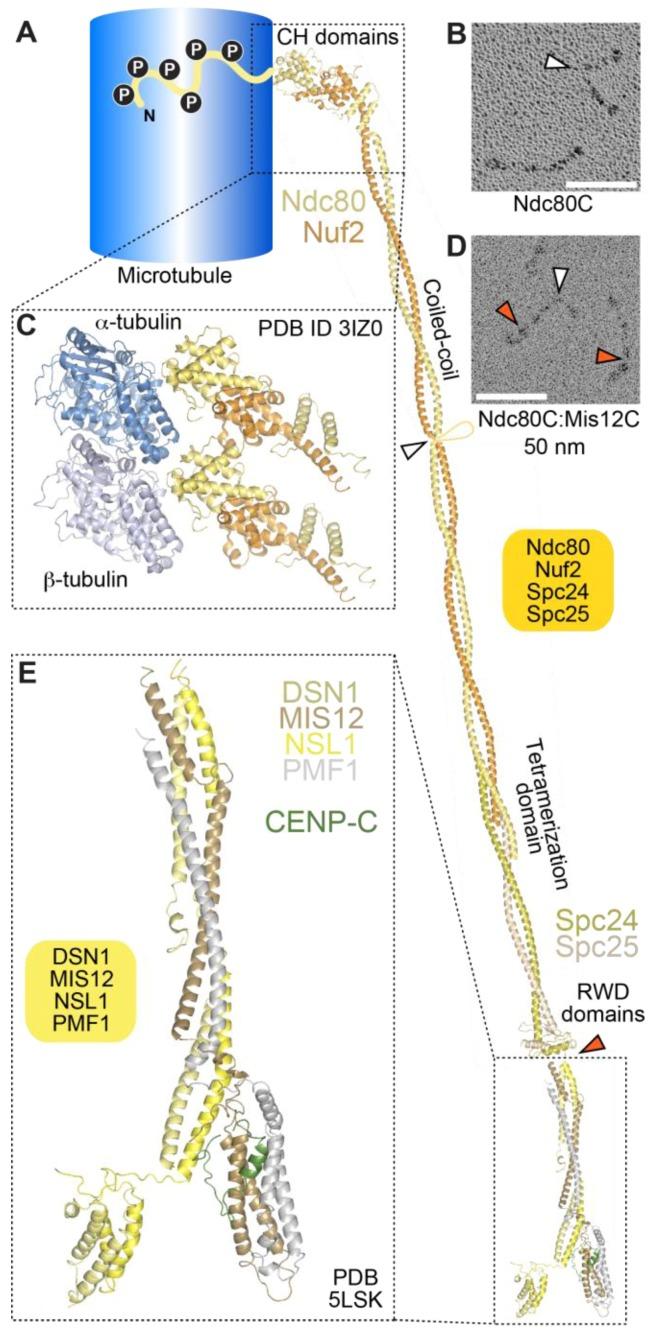
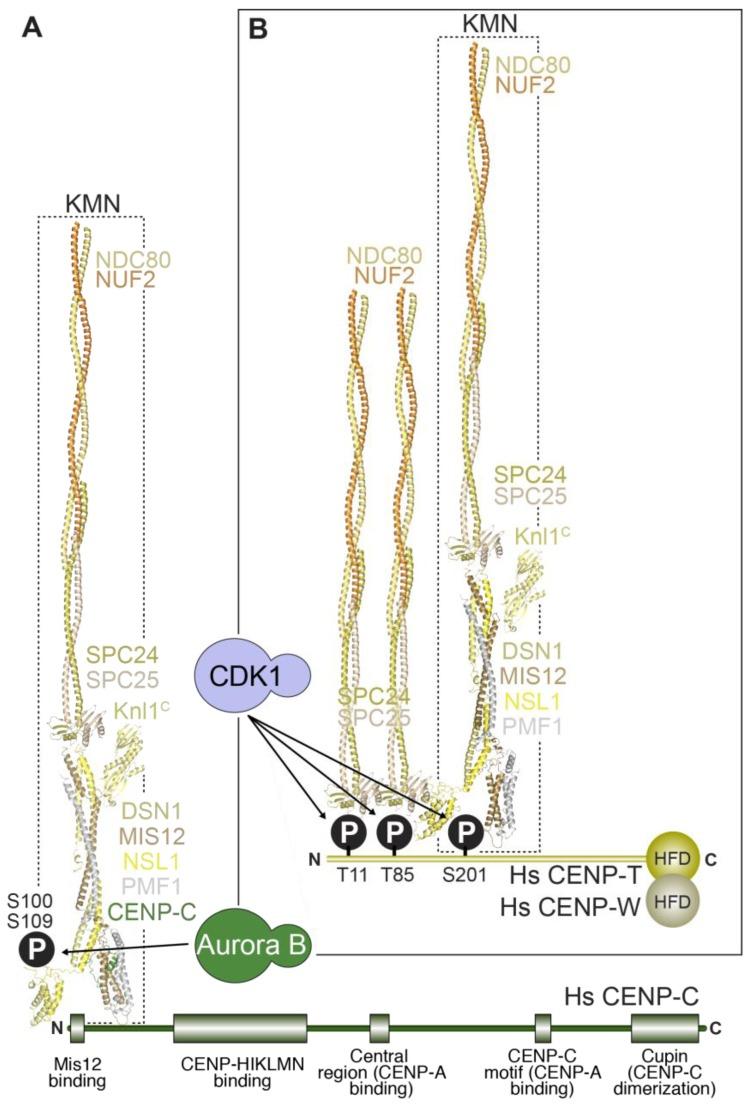
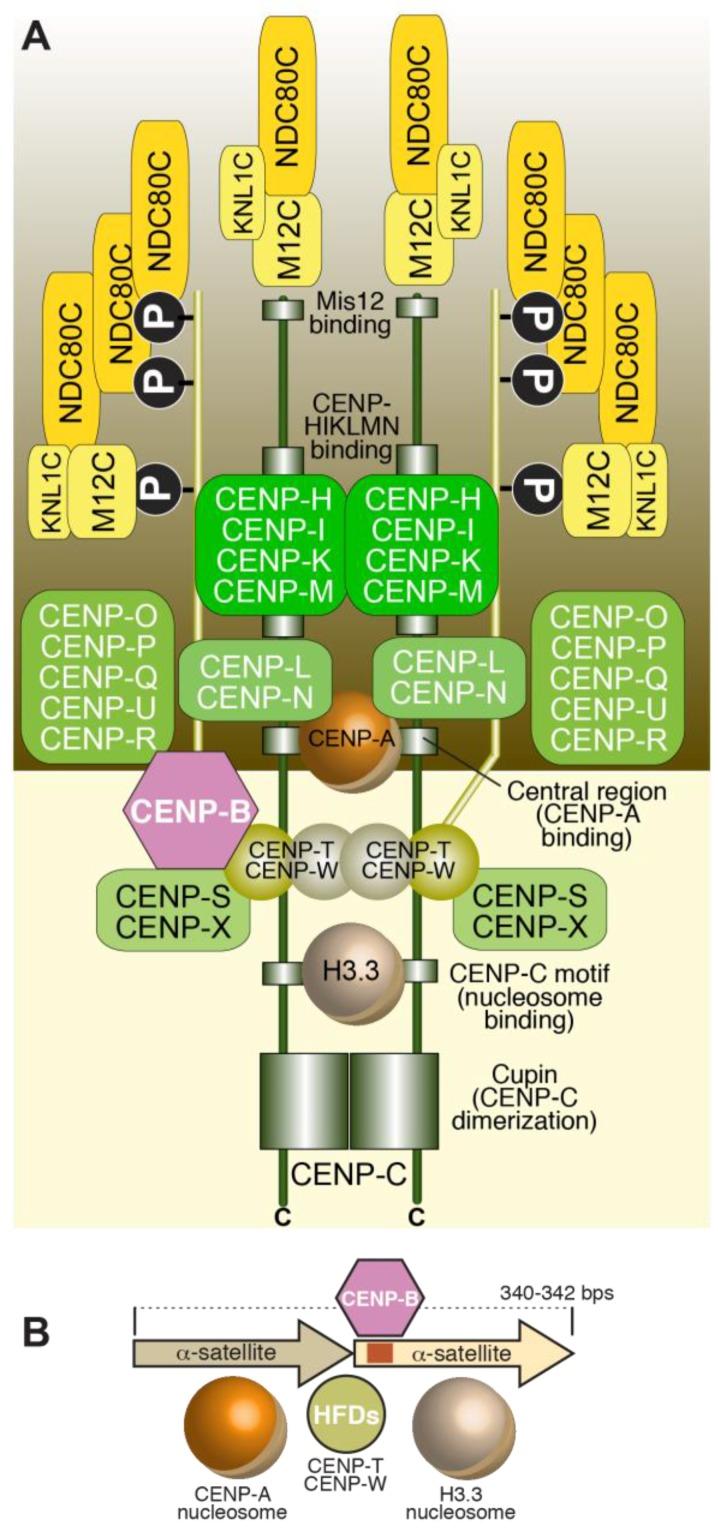
Kinetochores are large protein assemblies that connect chromosomes to microtubules of the mitotic and meiotic spindles in order to distribute the replicated genome from a mother cell to its daughters. Kinetochores also control feedback mechanisms responsible for the correction of incorrect microtubule attachments, and for the coordination of chromosome attachment with cell cycle progression. Finally, kinetochores contribute to their own preservation, across generations, at the specific chromosomal loci devoted to host them, the centromeres. They achieve this in most species by exploiting an epigenetic, DNA-sequence-independent mechanism; notable exceptions are budding yeasts where a specific sequence is associated with centromere function. In the last 15 years, extensive progress in the elucidation of the composition of the kinetochore and the identification of various physical and functional modules within its substructure has led to a much deeper molecular understanding of kinetochore organization and the origins of its functional output. Here, we provide a broad summary of this progress, focusing primarily on kinetochores of humans and budding yeast, while highlighting work from other models, and present important unresolved questions for future studies.
动粒是一种大型蛋白质复合体,它将染色体与有丝分裂和减数分裂纺锤体的微管相连,以便将复制后的基因组从母细胞分配到子细胞中。动粒还控制着反馈机制,这些机制负责纠正不正确的微管附着,并协调染色体附着与细胞周期进程。最后,动粒有助于自身在世代间于专门容纳它们的特定染色体位点(着丝粒)得以保留。在大多数物种中,它们通过一种表观遗传的、不依赖于DNA序列的机制来实现这一点;明显的例外是芽殖酵母,其着丝粒功能与特定序列相关。在过去的15年里,在阐明动粒的组成以及识别其亚结构内的各种物理和功能模块方面取得了广泛进展,这使人们对动粒组织及其功能输出的起源有了更深入的分子理解。在这里,我们对这一进展进行广泛总结,主要聚焦于人类和芽殖酵母的动粒,同时突出其他模型的研究工作,并提出未来研究中重要的未解决问题。




 Zotero 插件